
From the Greenhouse
The Plants We Brought With Us
October 23, 2026 · The Hoosier Boy Newsletter

From the greenhouse
Caleb Schlegel
I’ve been thinking about invasive plants lately, particularly how many of them ended up here in the first place. Most weren’t introduced with any intention of causing harm. Someone thought they would make a good landscape plant, provide wildlife habitat, prevent erosion, or solve some other problem. In many cases, those plants did exactly what people wanted them to do. They just kept going.
Even the grass in our lawns is an interesting example. Kentucky bluegrass, perennial ryegrass, and several other common lawn grasses aren’t native to most of the United States. We’ve become so accustomed to them that we don’t really think about their origins. Of course, being nonnative doesn’t automatically make something invasive. Plenty of plants from other parts of the world grow perfectly well in our gardens without becoming ecological problems.
The distinction gets complicated because a plant that’s considered invasive in one region may not be classified that way somewhere else. We grow some ornamental plants, including creeping Jenny and selections of ground ivy, that are considered invasive or undesirable in certain areas, including Indiana. They’re useful in containers, but that doesn’t mean they can’t become problematic if they escape cultivation. Both are prohibited in certain landscaping situations in Bloomington, Indiana, even though neither appears on Indiana’s statewide list of 44 prohibited invasive terrestrial plants.
As growers, I think we have a responsibility to understand those differences rather than assume every plant is appropriate everywhere.
There’s another dimension to this discussion that doesn’t get much attention: allergies. Changes in vegetation, pollen production, and growing seasons can affect people as well as ecosystems.
This week we’re looking at new research on invasive plants adapting to cities, some familiar plants that have become a problem in Indiana, and why our allergy seasons may be changing.
And with our poinsettias starting to color up, a look at some that barely look like poinsettias at all.
This week’s Growing Guides
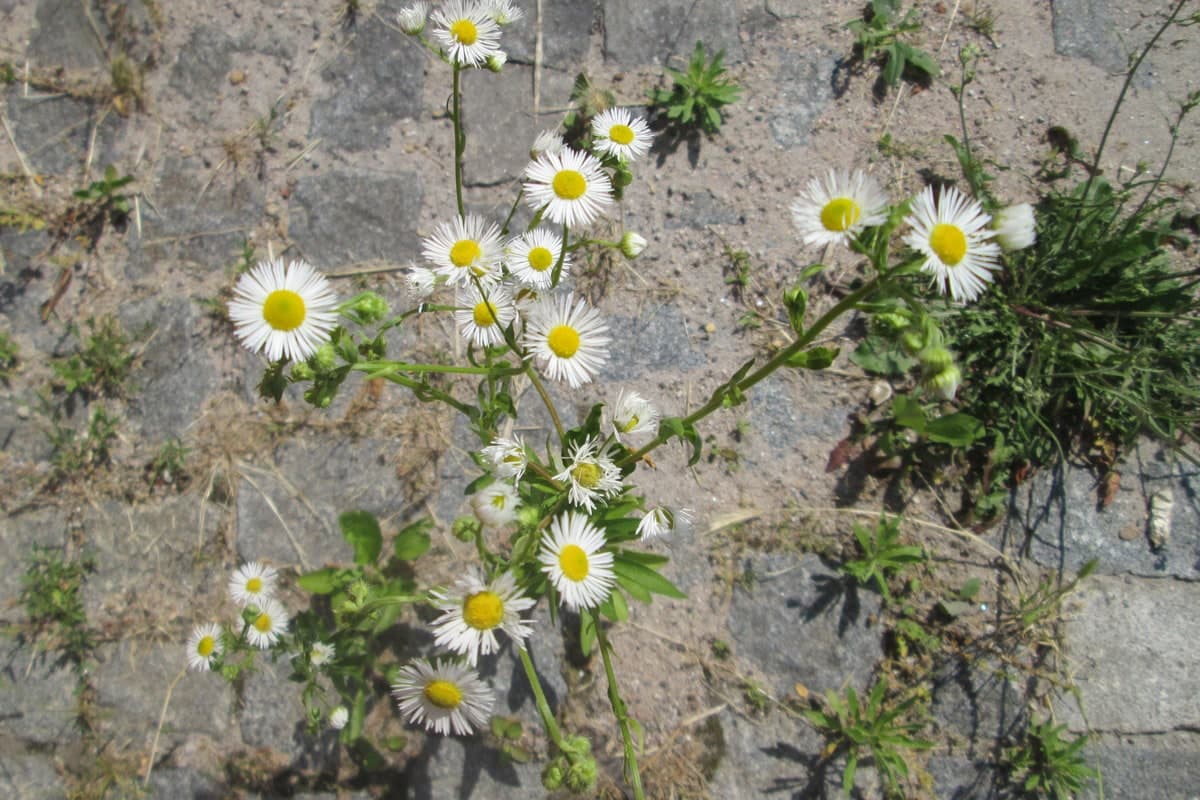
Are Our Cities Making Invasive Plants Tougher?
New research suggests that urban environments may help some invasive plants adapt to heat and drought. We usually think of invasive plants as species that spread into places where they don’t belong…
Read the guide · Caleb Schlegel
The Invasive Plants We Invited Into Indiana
Some of Indiana’s most troublesome plants started as perfectly ordinary landscape choices. Every spring, before most of…
Read more
Are Invasive Plants Making Our Allergies Worse?
The relationship between pollen, invasive species, and longer growing seasons is more complicated than it might seem…
Read more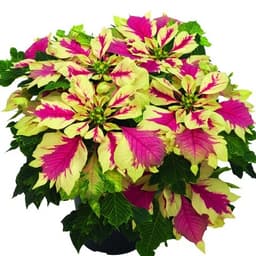
The Poinsettias That Don't Look Like Poinsettias
Mouse ears, rose-shaped leaves, unusual colors, and the problem of getting them ready for Christmas. When most people…
Read morePhotos: daisy fleabane by AnRo0002 (CC0); Bradford pears by jwshaw (CC BY-SA 3.0, cropped and color-corrected); common ragweed by Ryan Hodnett (CC BY-SA 4.0, cropped); all via Wikimedia Commons; Papagena poinsettia courtesy of Lazzeri. Full credits are with each guide.


Get the next one in your inbox
Issues like this one go out every Friday morning. Free, and you can unsubscribe any time.