 Plant Selection
Succulents Continue to Evolve: Garden Solutions Steals the Show

Owner, Schlegel Greenhouse · July 16, 2026
If you’ve ever admired an unusually compact sedum or a succulent with color that didn’t seem possible, there’s a good chance Chris Hansen bred it.
✓ Compact, self-tidying habits
✓ True blue foliage tones
✓ Architectural, sculptural textures
✓ Mixed succulent bowls as centerpieces
✓ Indoor / outdoor versatility
One of my favorite stops at Cultivate every year is Garden Solutions. For years, Chris has focused almost exclusively on breeding better sedums and succulents — and the results speak for themselves.
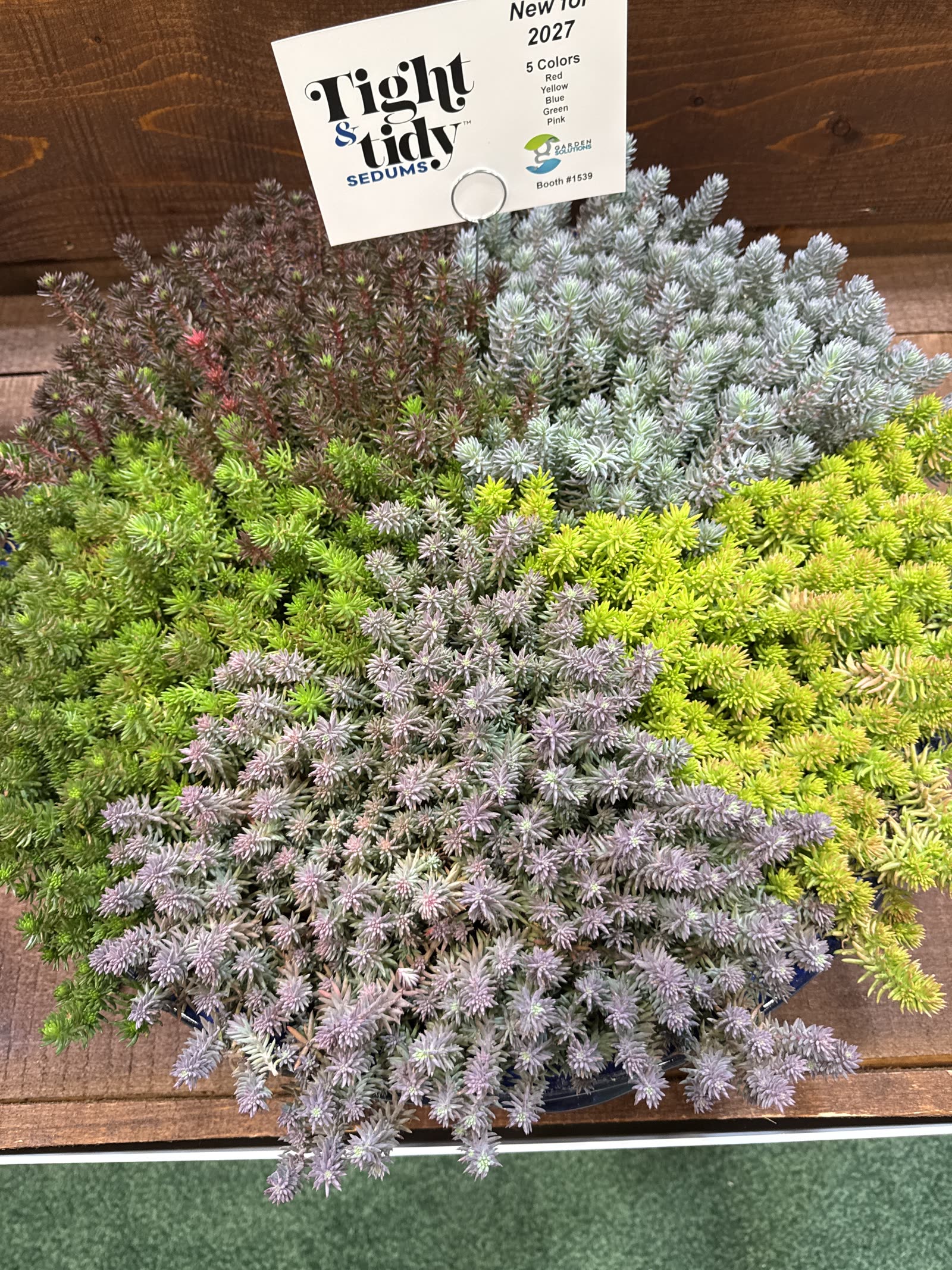
Tight & Tidy Sedums
The display that caught my attention first. Instead of sprawling or flopping the way many sedums eventually do, these selections stay compact and dense — five distinct colors, all holding the same neat habit. That makes them perfect for:
- ✓ Patio containers
- ✓ Succulent bowls
- ✓ Rock gardens
- ✓ Small-space landscapes
Expect to start seeing these paired with annuals and perennials at garden centers in the coming spring.
Blue Ox — a Sedum in True Blue
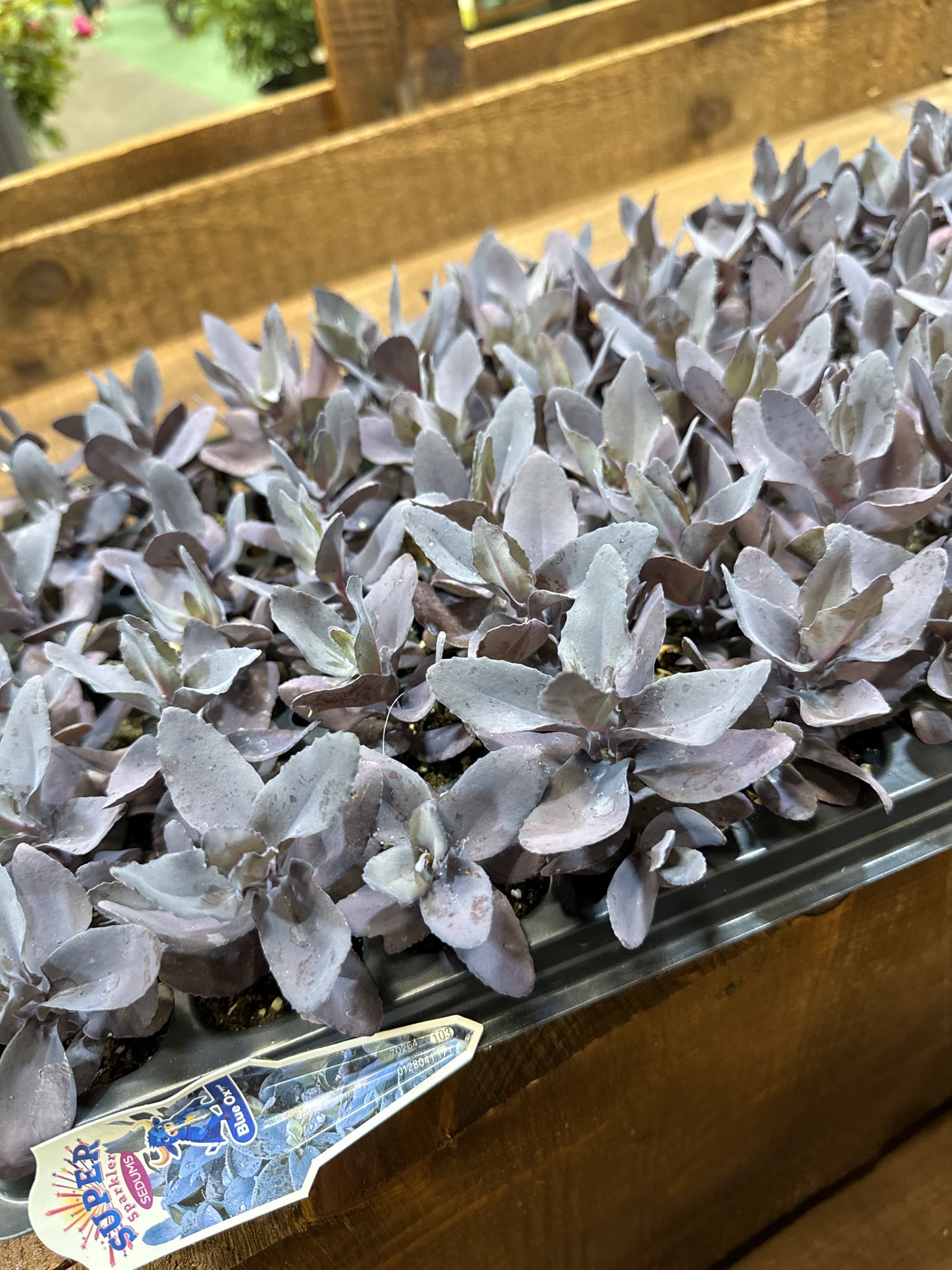
One standout introduction was this selection from the Sun Sparkler series. The silvery-blue foliage is unlike most sedums currently on the market, and it should provide outstanding contrast in mixed succulent plantings — blue is still the rarest color in this category.
Sinocrassula Pink Pearls — the Collector’s Piece
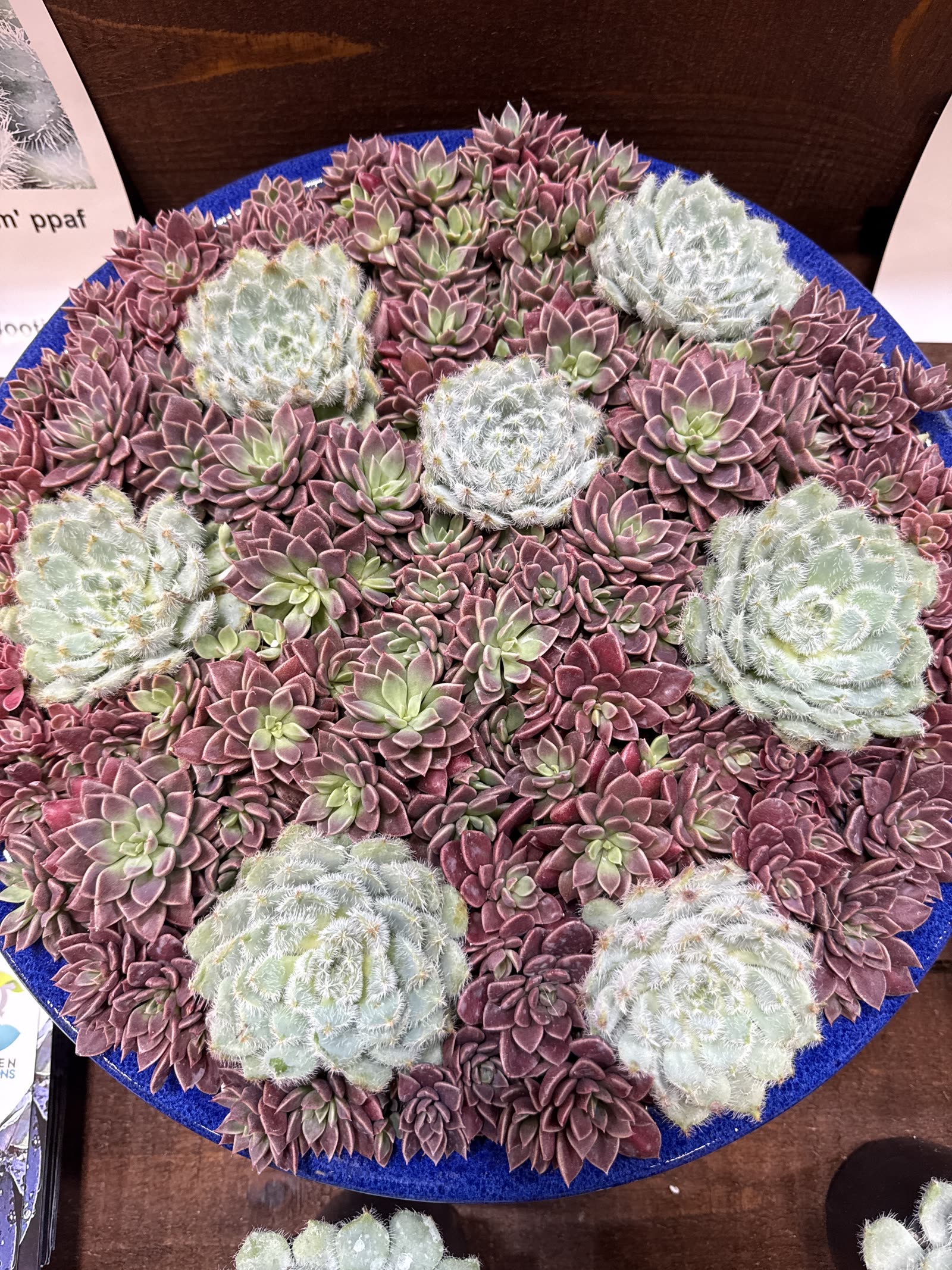
A newly introduced Sinocrassula that drew a steady crowd. Its dramatic, sculptural texture makes it an ideal centerpiece for succulent bowls and collector planters — the kind of plant people point at before they read the tag.
Bottom line: succulents have moved far beyond simple houseplants. The newest breeding is producing plants that are more colorful, more compact, and more design-oriented than ever — and I think gardeners are going to love where this category is headed.
Hoosier Tip
A mixed succulent bowl lives or dies by drainage, not sunlight. Use a gritty cactus mix, a pot with a real hole, and water only when the soil is bone dry an inch down — in an Indiana summer that’s roughly once a week outdoors, half that indoors.
More on plant selection, every Friday
Three growing guides like this one and a short note from the greenhouse, free, once a week. Written for Indiana gardens.
Reference: Cultivate ’26 (AmericanHort, Columbus OH) · Schlegel Greenhouse show-floor notes