 Plant Selection
Not All Salvias Are the Same
Owner, Schlegel Greenhouse · September 18, 2026
Four plants at the garden center can all be labeled Salvia and want four different things from you.
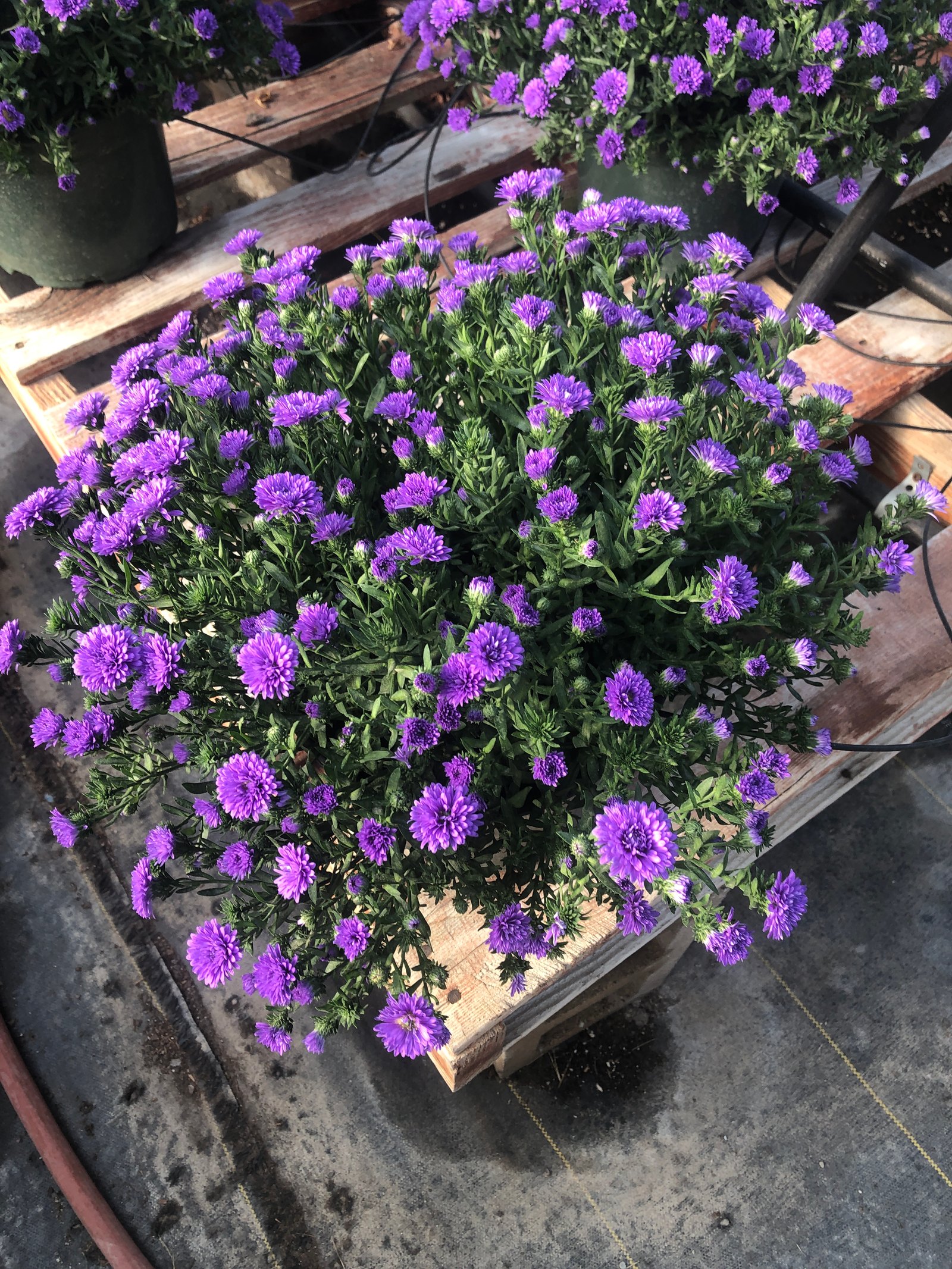
Walk down the bench and you might find a compact perennial with purple flower spikes, a three-foot plant covered in dark blue flowers, and something red with almost woody stems. Some will survive an Indiana winter. Others we grow as annuals.
That’s because Salvia isn’t one plant. It’s an enormous genus of more than 1,000 species from very different climates around the world.
Figuring out which Salvia you bought makes it much easier to know how to take care of it.
Salvia greggii — The Tough, Shrubby One
Salvia greggii, commonly called autumn sage, comes from the southwestern United States and Mexico.
It looks different from the perennial Salvia most Indiana gardeners know. Instead of a low mound of foliage with flower spikes coming out of it, greggii develops a more open, somewhat woody, shrubby structure.
It loves sun, heat and good drainage. Once established it doesn’t want constantly wet soil. One of the easiest ways to make this type unhappy is treating it like a thirsty annual and keeping the roots saturated.
Its small leaves are part of the story. Plants adapted to hot, relatively dry places generally need to control how much water they lose through their foliage.
You’ll find greggii and closely related hybrids in reds, pinks, whites and bicolors, generally around two to three feet tall, though hybrids vary considerably.
How I’d treat it in Indiana: lots of sun, excellent drainage, don’t overwater, and enjoy it as a long-blooming annual unless that particular cultivar carries a hardiness rating appropriate for your site.
Salvia guaranitica — The Hummingbird Salvia
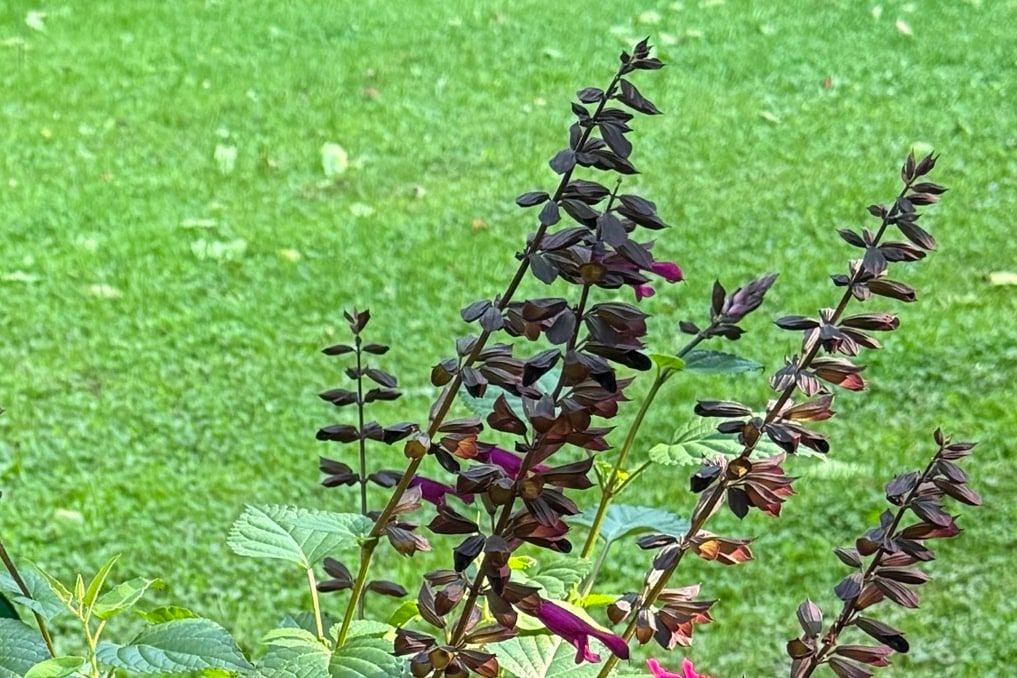
If you’ve grown Black & Blue, you’ve grown this type. These are completely different animals.
Guaranitica types can become big plants, often three to five feet, with long tubular flowers that hummingbirds absolutely love. Black & Blue gets its name from the combination of deep blue flowers and very dark calyces. Newer breeding has given us varieties such as Amistad and the Bodacious series built on the same general plant type.
Unlike greggii, I’d give these more consistent moisture. They still need good drainage, but a large guaranitica pumping out that much foliage and that many flowers can use quite a bit of water during an Indiana summer.
They’ll take full sun and tolerate some partial shade. And give them room. This is a Salvia I’d use as the centerpiece of a large container rather than squeezing it between a couple of petunias.
Best for: large containers, landscape beds, hummingbird gardens, and anywhere you need height.
Salvia farinacea — The Workhorse
Salvia farinacea, or mealycup sage, is the easiest of these to use like a conventional bedding plant. These are the blue and purple spike-type Salvias you see all over landscapes and mixed containers.
The species has also been crossed with other Salvias to create some very popular modern plants. Iowa State lists hybrids such as Mystic Spires, Big Blue and the Rockin’ series in this group.
- ✓ Full sun
- ✓ Good drainage
- ✓ Regular water
- ✓ Regular fertilizer in containers
They’re generally easier to fit into a traditional annual planting than guaranitica because the habit is more manageable. They’re also fantastic pollinator plants. If you want blue or purple vertical flowers to mix with other annuals, this is one of the first groups I’d look at.
And Then There Are the Hardy Perennial Salvias
This is where it gets confusing. The purple perennial Salvia you planted five years ago isn’t necessarily the same kind of Salvia as anything above.
Many of the classic hardy perennial Salvias sold in the Midwest come from Salvia nemorosa and related hybrids — varieties such as May Night and other compact perennial sages.
These typically form a mound of foliage near the ground and send up dense flower spikes in late spring and early summer. They’re very hardy. They’re also much more seasonal in their flowering than the tropical and subtropical Salvias we grow as annuals.
A perennial Salvia may put on a spectacular flush in late spring, get cut back after flowering, then rebloom to some degree later. A guaranitica Salvia is more likely to spend the summer getting enormous and then keep flowering right into fall.
| Type | Habit | Water | Best use | Indianapolis winter |
|---|---|---|---|---|
| S. greggii | Shrubby, woody | Lower | Hot, sunny beds and containers | Variety dependent, marginal |
| S. guaranitica | Large, upright | Moderate | Centerpieces, hummingbirds | Usually treated as an annual |
| S. farinacea and hybrids | Upright, spiky | Moderate | Beds and combinations | Usually treated as an annual |
| Hardy perennial Salvia | Compact, clumping | Moderate | Perennial beds | Reliably perennial when appropriately rated |
There’s no single answer to “how do I take care of Salvia?” First figure out which Salvia you have. That one word covers plants that want different amounts of water, grow to completely different sizes, and have completely different expectations when an Indiana winter arrives.
Hoosier Tip
Keep the tag. On Salvia more than almost any other plant, the species name on the back of that tag is the difference between a plant you water like a succulent and a plant you water like a hanging basket. If the tag is already gone, judge by the leaf: small and narrow points toward greggii and a drier routine, big and soft points toward guaranitica and a drink.
Reference: Iowa State University Extension · Missouri Botanical Garden plant finder · Schlegel Greenhouse production notes