 Plant Selection
Choosing the Right Zinnia for Your Cut Flower Garden
Owner, Schlegel Greenhouse · August 7, 2026
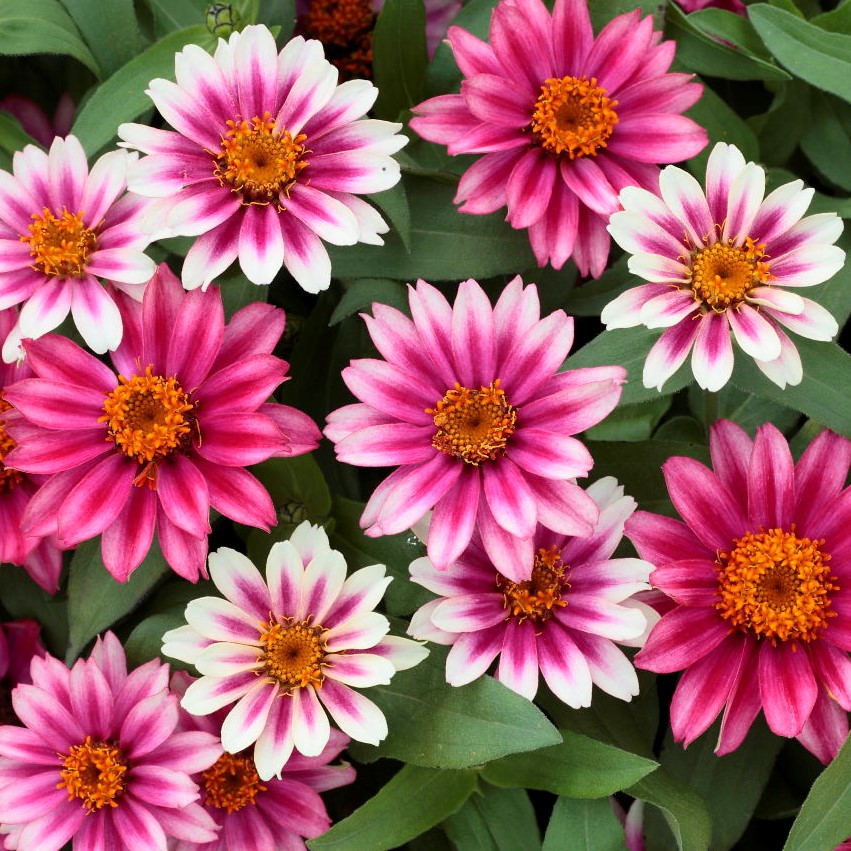
Few flowers deliver as much color for as little effort as a zinnia — but not every zinnia is bred for the same job, and picking the right one is the first step to a great cut flower garden.
They’re fast from seed, easy, pollinator-friendly, and produce armfuls of flowers for months. Some varieties are built for landscape displays; others are bred specifically for the long, sturdy stems you want for cutting and bringing indoors.
| Best Use | Recommended Types |
| Cut flowers | Benary’s Giant, Oklahoma, Queeny, Uproar Rose |
| Landscape beds | Profusion, Zahara |
| Containers | Profusion, Zahara, Thumbelina |
| Pollinator gardens | Benary’s Giant, Queeny, Oklahoma |
Benary’s Giant
Ask flower farmers to name one zinnia they couldn’t grow without, and many will say Benary’s Giant. Huge 4–6″ blooms, long straight stems, excellent vase life, continuous flowering, and nearly every color you could want. These are the classic cut flower zinnias.
Oklahoma Series
Don’t let the smaller flowers fool you. Oklahoma zinnias produce incredible numbers of blooms on strong stems, and many florists actually prefer them — they’re easier to arrange than giant flowers.
Queeny Series
One of the biggest breeding breakthroughs in recent years. The Queeny series brought antique shades like Lime, Rose, Lemon Peach, and Red Lime that have become extremely popular in wedding work and specialty bouquets.
Uproar Rose
An All-America Selections winner, Uproar Rose pairs large, vivid magenta blooms with excellent branching and strong garden performance. If you want one standout pink cut flower zinnia, this is an excellent choice.
One of the Easiest Flowers to Grow From Seed
Zinnias are wonderfully forgiving:
- ✓ Wait until frost danger has passed and the soil has warmed
- ✓ Sow seeds about ¼ inch deep
- ✓ Keep the soil evenly moist until germination
In warm soil, many seeds sprout in under a week. Unlike a lot of flowers, zinnias generally prefer being direct-seeded right where they’ll grow rather than transplanted.
Growing Timeline
Sow seed
↓ 5–10 days
Germination
↓ 6–8 weeks
First flowers
↓
Continuous cutting until frost
The Secret to More Flowers
Here’s what surprises new gardeners: the more you cut zinnias, the more they produce. Every time you harvest a stem, the plant responds by pushing new side branches — and more branches mean more buds, more stems, and a longer flowering season. If you’re not cutting bouquets, deadheading spent flowers does much the same thing.
Care Tips
Light: Full sun. Six to eight hours of direct sun produces the strongest stems and heaviest flowering.
Water: Water deeply, and avoid frequent overhead watering when you can — wet foliage invites powdery mildew later in the season. Morning watering is best.
Fertilizer: Moderate fertility is ideal. Too much nitrogen pushes leafy growth at the expense of flowers. A balanced feed every few weeks, or a controlled-release fertilizer worked in at planting, is usually plenty for home gardens.
Airflow Matters
Powdery mildew is the most common zinnia problem — and one of the easiest to reduce. Give plants enough room for air to move between them, remove a few lower leaves as they mature, and water at the base rather than overhead to keep foliage dry.
Pollinator Favorites
Zinnias don’t just make beautiful bouquets. They pull in monarchs, bumblebees, native bees, and swallowtails — and as summer goes on, they’re often one of the busiest plants in the whole garden.
Caleb’s Take
Every year I forget just how rewarding zinnias are until they start blooming. You plant a tiny seed in late spring, and by midsummer you’re cutting bouquets every few days. They ask very little and give an incredible amount back. If you’ve never grown them from seed, this is the year to try — you’ll understand why they’re a favorite of home gardeners and professional flower farmers alike.
Hoosier Tip
Cut zinnias in the morning and use the “wiggle test” — grab a stem about a foot down and shake it. If it stands straight, it’s ready and will hold in the vase; if it flops, it needs a few more days. A stem cut too early wilts no matter what you do.
More on plant selection, every Friday
Three growing guides like this one and a short note from the greenhouse, free, once a week. Written for Indiana gardens.
Reference: All-America Selections · Purdue University Extension · Schlegel Greenhouse production notes