 Seasonal Tips
Why Frost Damages Plants (The Science Explained Simply)
Head of Operations, Schlegel Greenhouse · April 15, 2026
When frost hits, people say: “The cold killed my plants.” That's not exactly true. Cold doesn't kill plants — ice does.
What's Happening Inside the Plant
Plants are mostly water. When temperatures drop low enough, water inside the plant begins to freeze. Ice crystals start forming. Those crystals expand. And that's where the damage happens.
According to Michigan State Extension, when ice forms in plant tissue, it can rupture cell walls — similar to how freezing water cracks roads in winter.
Why That's So Damaging
Plant cells are structured and pressurized. When ice forms, it physically tears the cell walls, disrupts internal structure, and prevents normal function. Once that happens, the tissue can't recover.
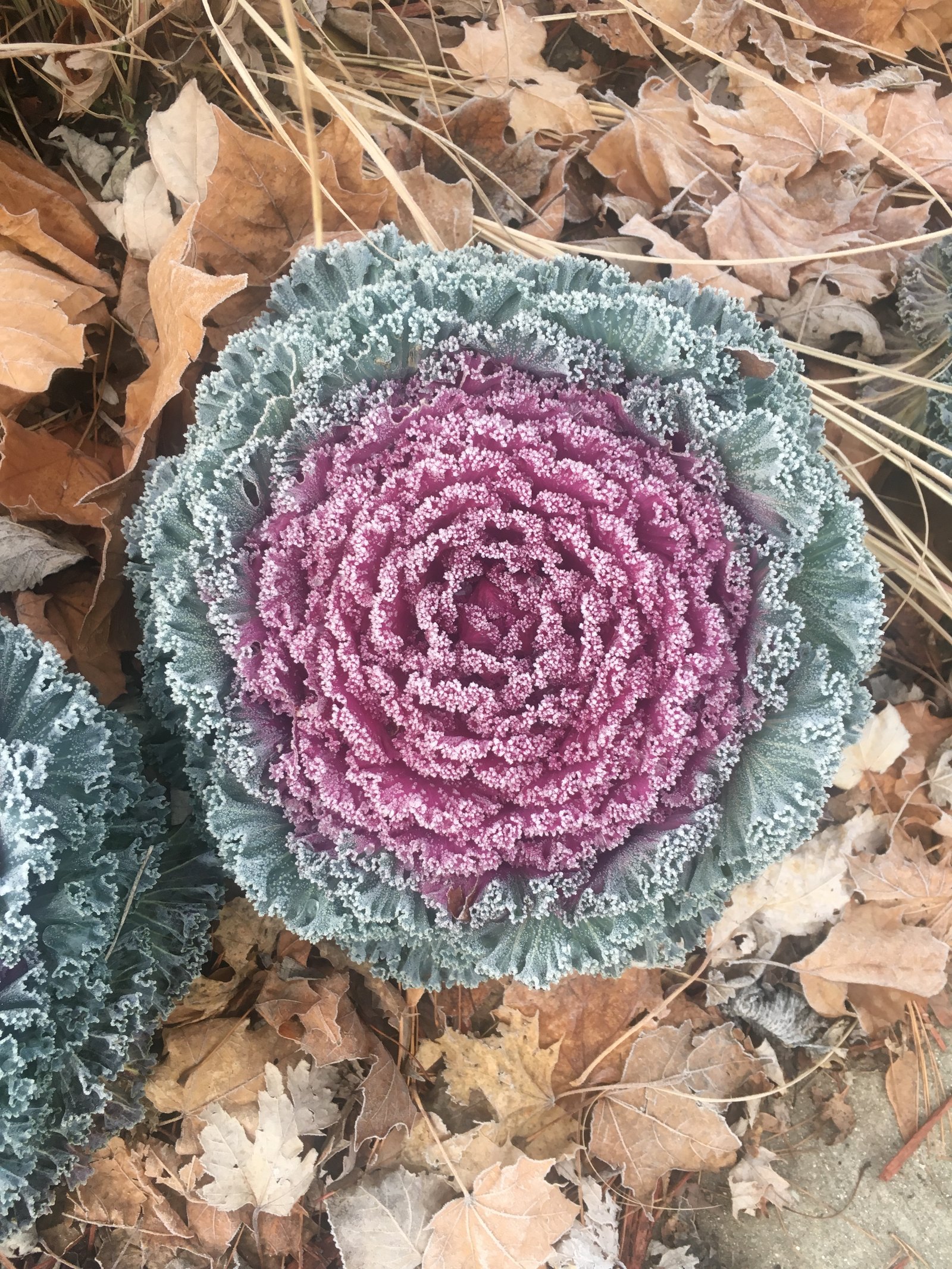
That's why frost-damaged plants often look mushy, wilted, and blackened.
Two Types of Damage
From a scientific standpoint:
- ✓ Inside the Cell (Worst Case): Ice forms inside the cell → cell bursts → tissue dies.
- ✓ Outside the Cell (Less Severe): Ice forms between cells → pulls water out → dehydration damage.
Both are bad — but the first is usually fatal.
Why Some Plants Survive and Others Don't
It comes down to adaptation. Hardy plants can tolerate lower temperatures, manage water movement better, and resist ice formation. Tender plants have higher water content, no protection mechanisms, and collapse quickly.
That's why pansies survive and impatiens don't.
Why Frost Doesn't Always Kill the Whole Plant
Sometimes you'll see dead leaves, but the plant comes back. That's because the top growth froze, but the roots stayed alive. Purdue Extension notes that frost damage can be partial — affecting only certain tissues while others survive.
Why Timing Matters So Much
A plant that gets hit early in the season has time to recover. A plant hit repeatedly or late falls behind, becomes stressed, and becomes more disease-prone. Frost doesn't just damage — it weakens.
Hoosier Tip
Frost damage isn't random. It's a physical process: water freezes, ice expands, cells break, tissue dies. Once you understand that, everything else makes more sense — why some plants survive, why some collapse instantly, and why timing matters so much in Indiana spring.
More on seasonal tips, every Friday
Three growing guides like this one and a short note from the greenhouse, free, once a week. Written for Indiana gardens.
Reference: Michigan State Extension · Purdue University Extension