 Seasonal Tips
Can I Still Plant This? A Late-August and September Guide
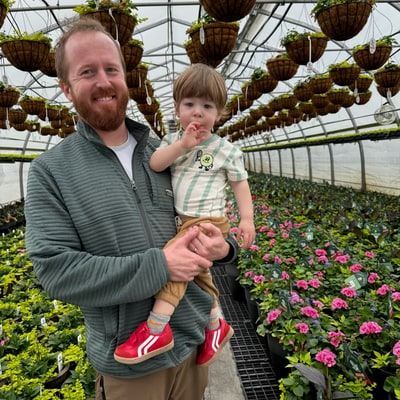
Owner, Schlegel Greenhouse · August 29, 2026
The most common question we hear this time of year — “Is it too late to plant this?” — usually has a more encouraging answer than people expect: for a lot of plants, September is one of the better months to plant in Indiana.
People understandably associate planting with spring. April and May arrive, everyone goes to the garden center, and by late August folks assume they’ve missed their window until next year. For many plants that’s backwards. The trick is knowing what you’re planting and what you expect it to do.
Perennials: Yes
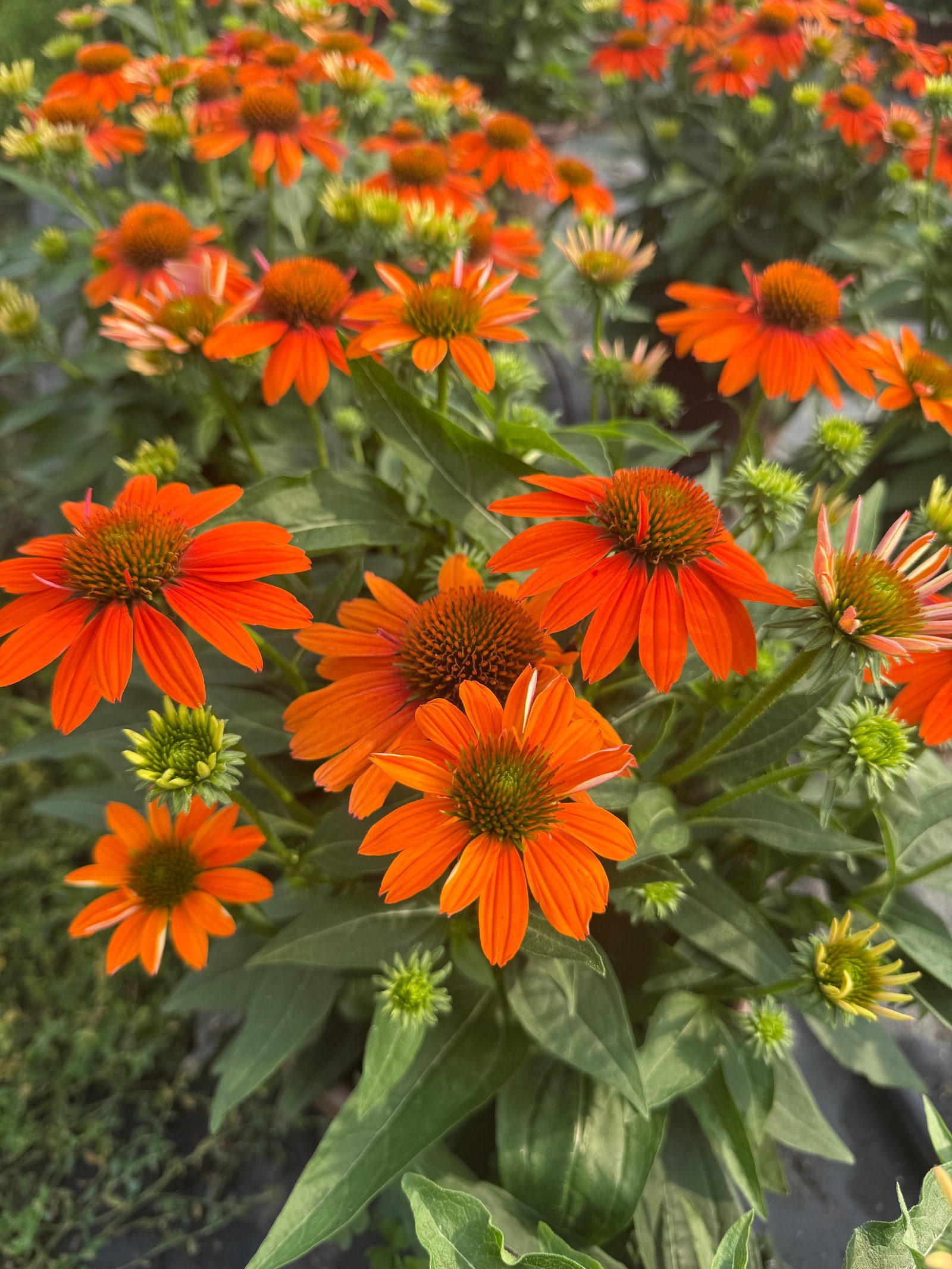
Echinacea, Rudbeckia, Salvia, aster, sedum, or another hardy perennial — you still have time. You’re not planting it to double in size before October; you’re planting it so it can start establishing roots for next year. Late summer offers a nice combination: air temperatures moderate while the soil stays warm, so roots keep establishing without the heat stress they’d have faced in July.
One catch: you still have to water it. This is the biggest fall-planting mistake. A 70-degree day feels cool to us, so we stop thinking about watering — but the plant didn’t suddenly grow an established root system because the temperature dropped. Keep new perennials consistently watered until they establish, especially if September turns dry.
Trees and Shrubs: Yes
September can be a very good time to plant many trees and shrubs, and again we’re interested in roots. A spring-planted tree immediately faces summer; a fall-planted tree gets cooler air with still-warm soil, then winter dormancy, before it ever has to handle an Indiana summer. Don’t confuse dormant with established, though — keep watering newly planted woody plants into fall as conditions require, and remember their first full summer next year is still an establishment year.
Asters: Yes
This one’s timely, because you’ll start seeing our asters at garden centers in September. Enjoy them on the porch for a while if you like — then get them in the ground. They’re hardy perennials, so instead of treating them strictly as fall decorations, give them a sunny spot with good drainage and a chance to become part of the garden.
Mums: Yes… with an Asterisk
Absolutely buy mums for fall color, and yes, you can plant them. Many garden mums are technically perennial — but as we’ve talked about before, timing matters. A mum bought covered in flowers in late September hasn’t spent the summer establishing roots, and the later it goes in, the less time it has before winter. Plant it if you want to try — just don’t consider its return next spring guaranteed.
Ornamental Grasses: Yes
Late summer is when many ornamental grasses finally show you why they’re worth growing — plants that were unremarkable in May suddenly have height, movement, and beautiful seed heads. They’re excellent for adding structure to a perennial garden, and hardy varieties can still go in now. Again: water while establishing.
Ornamental Kale and Cabbage: Wait for Cooler Weather
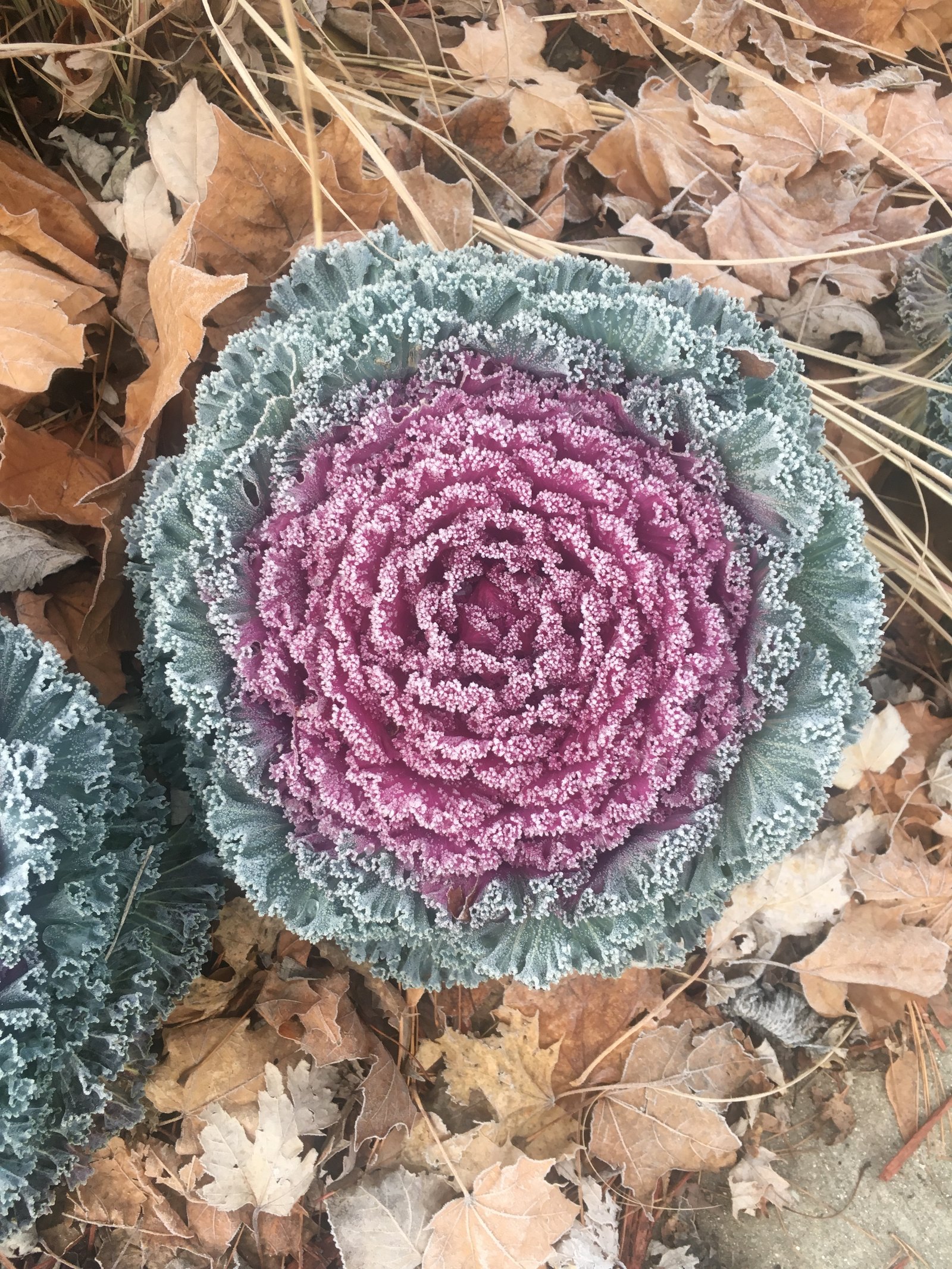
These are coming, and unlike most of what you’ve grown all summer, cooler weather makes them better. They’re grown for foliage rather than flowers, and as temperatures fall their whites, pinks, and purples get more pronounced. They’re perfect for replacing a tired annual without redoing the whole bed — more on those in another article.
Warm-Season Annuals: It Depends
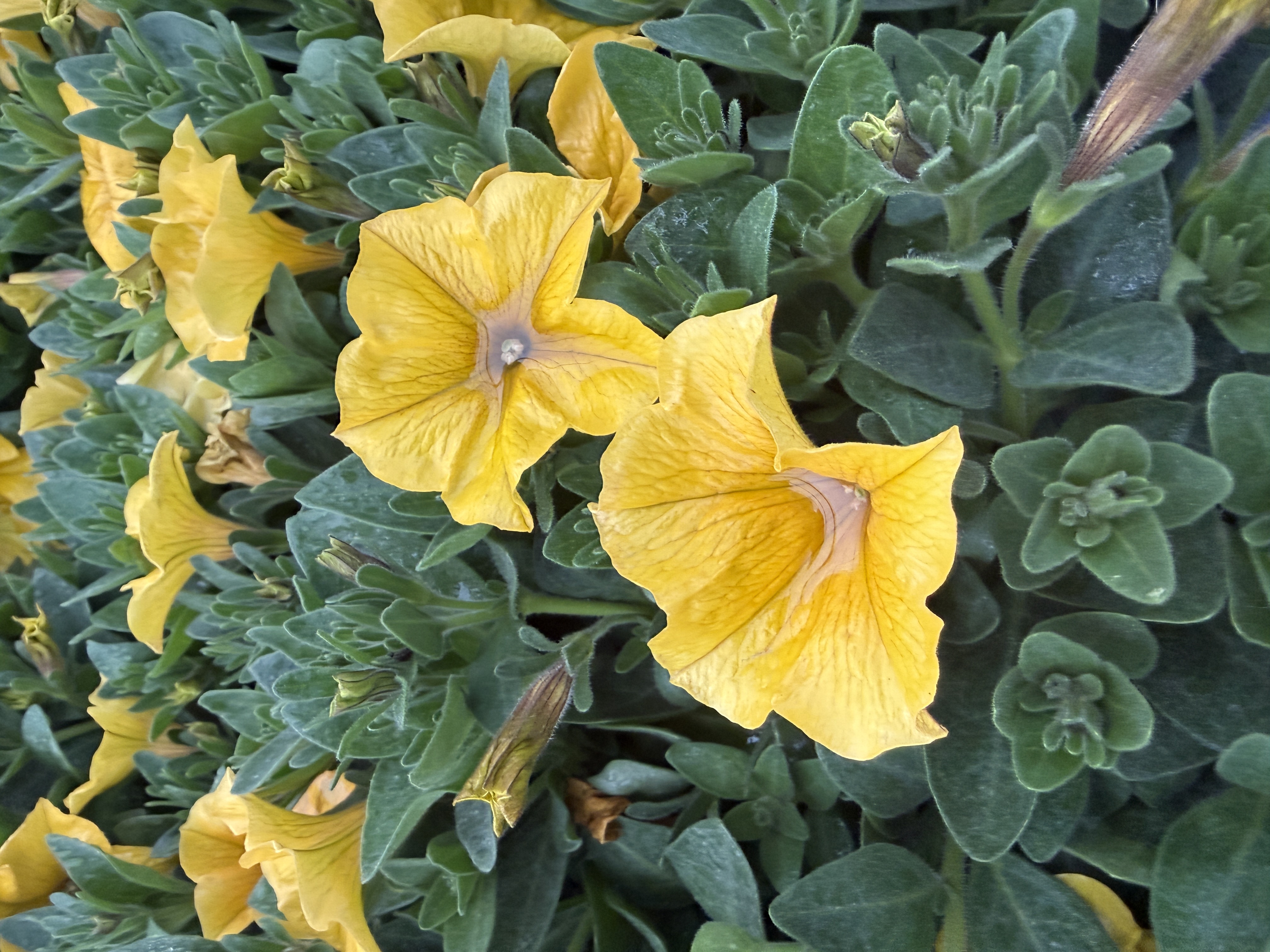
Here I wouldn’t automatically say no. Find a beautiful, finished annual at the end of August and want six more weeks of color? Nothing wrong with planting it — Indiana’s first frost is still weeks away. But think about what you’re buying. A large plant already in flower? Sure. A tiny heat-loving transplant you expect to get enormous? Probably not worth it. Warm-season annuals from seed? For most varieties you’re simply out of growing season.
The Better Question
Instead of “Is it too late to plant?” ask “What am I expecting this plant to do?” If you’re expecting a perennial to establish roots for next year, September can be great. If you’re expecting a small annual to triple in size and look like June, you’re asking a lot. If you’re planting a tree you hope will be there in 30 years, being a month past Memorial Day doesn’t matter much.
| What are you planting? | Late Aug. / September |
| Hardy perennials | Plant it |
| Trees & shrubs | Plant it |
| Asters | Plant it |
| Hardy ornamental grasses | Plant it |
| Garden mums | Plant it — winter return not guaranteed |
| Ornamental kale/cabbage | Coming into its season |
| Finished annuals | Fine if you want late color |
| Tiny warm-season annuals | Probably skip |
| Warm-season annual seeds | Too late for most |
There’s still plenty of gardening season left. September isn’t the end of planting season — for some plants, it’s one of the better times to get started.
Hoosier Tip
When you fall-plant, water deeply right up until the ground freezes, not just until the air feels cool. The single best thing you can do for a September perennial, tree, or shrub is send it into winter with a well-watered, established root system.
More on seasonal tips, every Friday
Three growing guides like this one and a short note from the greenhouse, free, once a week. Written for Indiana gardens.
Reference: Purdue University Extension · Schlegel Greenhouse production notes