 Seasonal Tips
What to Do With Annuals at End of Season

Head of Operations · April 4, 2026
At some point, every annual reaches the end of its life cycle. Knowing what to do next keeps your garden clean and sets you up for next year.
When Annuals Are Done
By late season, you may notice fewer blooms, leggy growth, and declining appearance. Remove annual flowers as they become unsightly—this keeps beds and containers looking clean.
Clean Up Matters
Removing old plants:
- ✓ Reduces disease carryover
- ✓ Prevents pests from overwintering
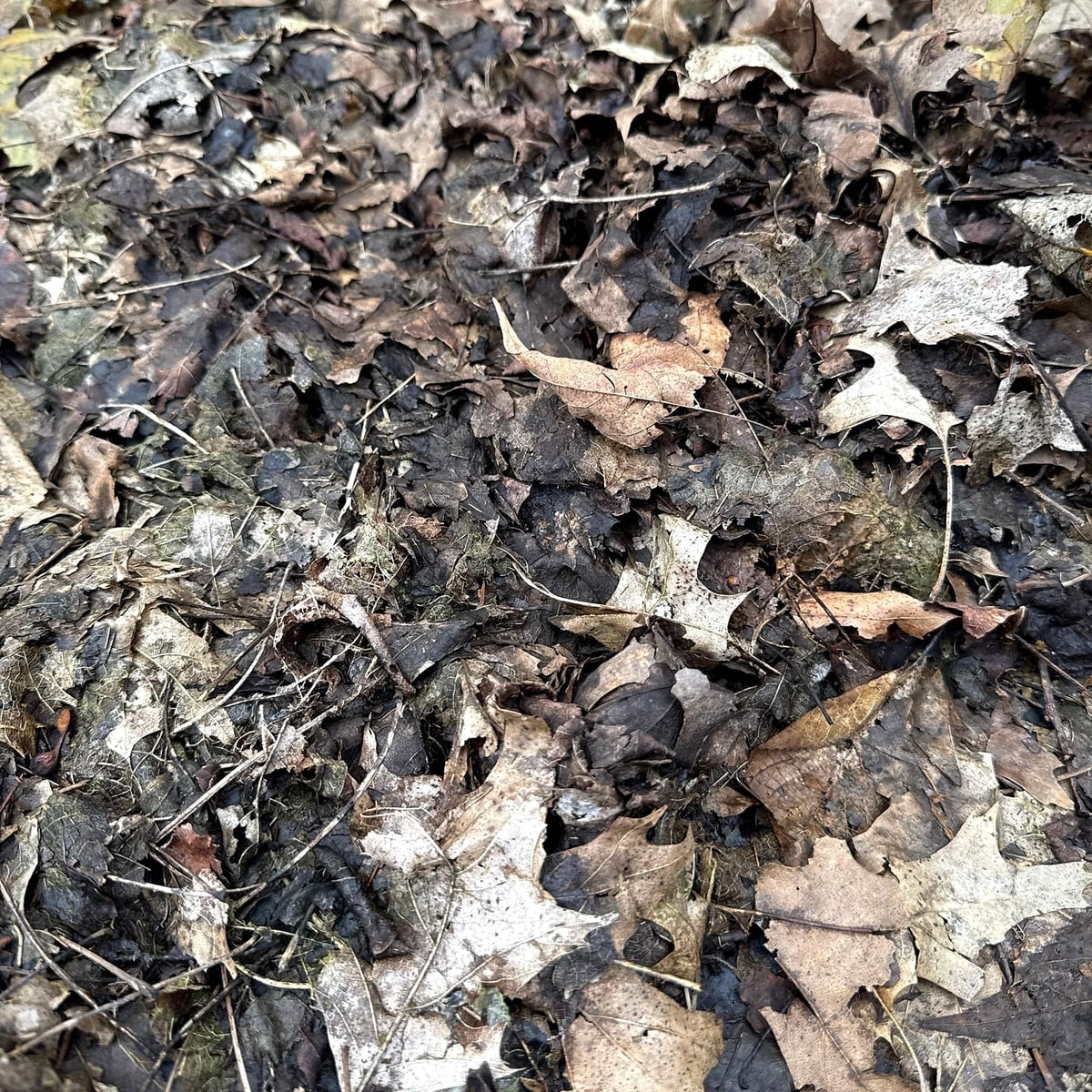
- ✓ Makes spring prep easier
What About Self-Seeding?
Some annuals may drop seeds and return—zinnias, calendula, cosmos—but results are unpredictable. Don’t rely on it.
Compost or Dispose?
- ✓ Healthy plants → compost
- ✓ Diseased plants → dispose (don’t compost)
Refresh Containers
Before next season: remove old roots, replace potting soil, and clean containers. This prevents carryover issues.
Hoosier Tip
Don’t let tired plants hang around too long. Cleaning things up in fall makes a big difference when you’re ready to plant again in spring.
More on seasonal tips, every Friday
Three growing guides like this one and a short note from the greenhouse, free, once a week. Written for Indiana gardens.
Reference: Purdue University Extension — Indiana gardening resources