 Troubleshooting
What To Do After a Frost: The Hoosier Recovery Guide

Sales Director & Design Expert · April 20, 2026
First: Don’t Panic
Frost damage almost always looks worse than it is — at least at first.
According to Purdue Extension, cold-damaged plants often:
- ✓ Look water-soaked at first
- ✓ Then turn dark or scorched as cells collapse
But here’s the key: that doesn’t mean the plant is dead.
Step 1: Wait Before You Touch Anything
This is where most people mess up. After a frost: do not prune immediately.
Extension guidance recommends waiting because:
- ✓ New growth may still emerge
- ✓ What looks dead might not be fully dead yet
Give it:
- ✓ 3–5 days minimum
- ✓ Ideally a full week
Let the plant show you what’s actually damaged.
Step 2: Assess the Damage
After a few days, you’ll start to see what’s real.
Minor Damage — Keep It
- ✓ Only outer leaves damaged
- ✓ Center and growing tips still green
- ✓ Plant still upright
Action: Light cleanup. Snip off damaged foliage and let it grow out. Many annuals outgrow frost damage quickly.
Moderate Damage — Give It a Chance
- ✓ Significant leaf burn
- ✓ Some stem damage
- ✓ Still some green at the base or nodes
Action: Trim back damaged areas, water consistently, and give it time. If the growing point survived, it will rebound.
Severe Damage — Replace It
- ✓ Entire plant collapsed
- ✓ Mushy stems
- ✓ No green tissue left
Action: Pull and replace. Tender annuals are especially vulnerable — many simply won’t recover after a hard freeze.
What Plants Are Most Affected?
From Purdue guidance:
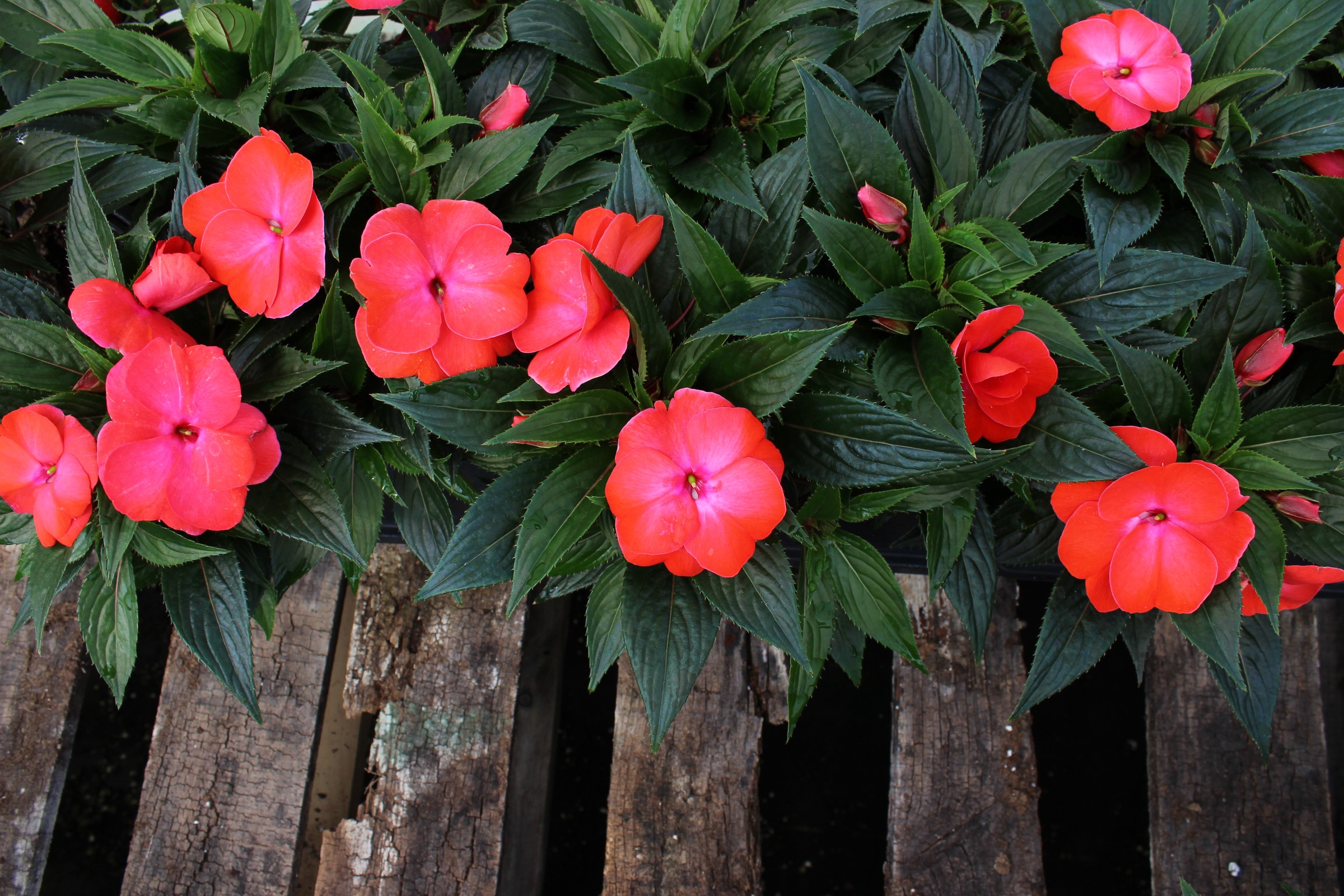
- ✓ Tender annuals (petunias, begonias, impatiens, tomatoes) → easily damaged or killed by frost
- ✓ Cool-season plants (pansies, violas) → usually fine or only lightly affected
Step 3: Help Them Recover
If you’re keeping the plant:
- ✓ Keep soil evenly moist — not dry, not soaked
- ✓ Avoid additional stress
- ✓ Let it regrow naturally
Purdue notes that adequate moisture helps recovery, but overwatering can make things worse.
What To Do Next Time (This Matters More)
Late frosts happen for a reason. According to Michigan State University Extension:
- ✓ Frosts typically occur on clear, calm nights
- ✓ Heat escapes from the ground, allowing surfaces to freeze
Your best protection tools:
- ✓ Cover plants with fabric (not plastic)
- ✓ Trap heat from the ground
- ✓ Remove covers in the morning
You can also bring containers inside and water soil ahead of cold nights — moist soil holds heat better.
Frost vs. Freeze: The Reality
- ✓ Frost (28–36°F) → often survivable with protection
- ✓ Hard freeze (below ~28°F) → much higher risk of plant death
There’s a big difference.
Are You in the Clear Now?
In Indiana, you’re usually not fully in the clear until after Mother’s Day week. Planting early always carries risk — and Purdue specifically notes that planting before frost-free dates often leads to replanting annuals.
The Real Takeaway
If your plants got frosted:
- ✓ Don’t panic
- ✓ Don’t rush to rip them out
- ✓ Let them show you what’s still alive
Most importantly — one cold night doesn’t always mean starting over.
Hoosier Tip
Pay attention, protect when needed, and plant with realistic expectations. The gardeners who wait out the first week after a frost are the ones whose containers look best by Memorial Day.
More on troubleshooting, every Friday
Three growing guides like this one and a short note from the greenhouse, free, once a week. Written for Indiana gardens.
Reference: Purdue University Extension, Michigan State University Extension — Indiana gardening resources