 Troubleshooting
Japanese Beetles Explained: Why They Love Some Plants and Ignore Others

Owner, Schlegel Greenhouse · August 7, 2026
Few insects frustrate gardeners quite like the Japanese beetle — perfect roses one morning, covered in metallic-green beetles by the next afternoon.
So where did they come from? And why do they hammer one plant while leaving another untouched?
The Japanese Beetle Life Cycle
July–August — adults emerge and begin feeding
↓
Eggs laid in lawns and grassy areas
↓
Grubs feed on grass roots through summer and fall
↓
Overwinter underground
↓
Pupate in late spring
↓
New adults emerge the following summer
Where Do They Come From?
Japanese beetles spend nearly ten months of the year underground. The adults we see in July only live about four to six weeks — in that window they feed, mate, and lay eggs before dying. The white grubs that hatch spend the rest of the year feeding on grass roots beneath lawns and pastures before emerging the next summer. Purdue Extension notes this one-year life cycle is typical throughout Indiana.
Why One Yard Can Have Hundreds — and Another Almost None
One of the most surprising things about Japanese beetles is how localized they are. Most adults don’t travel far, staying relatively close to where they emerged unless carried by favorable winds or drawn to an especially attractive host. So neighborhoods — even houses on the same street — can see very different levels of beetle activity year to year.
Once a few beetles start feeding, they release aggregation pheromones that pull in more beetles. At the same time, the damaged leaves give off plant volatiles that make the plant even easier for others to find. That feedback loop is why an infestation seems to appear almost overnight.
Why California Works So Hard to Keep Them Out
Japanese beetles aren’t native to North America. Because they can damage hundreds of ornamentals, fruit crops, and landscape trees, states like California have spent decades keeping them from becoming established — strict inspection and quarantine programs for nursery stock and soil that could carry beetles or grubs. Keeping them out is far easier than eliminating them once they’ve settled in.
Their Favorite Plants
What Beetles Target First
Beetle favorites: roses, grapes, hibiscus, linden trees, crabapple, hollyhocks
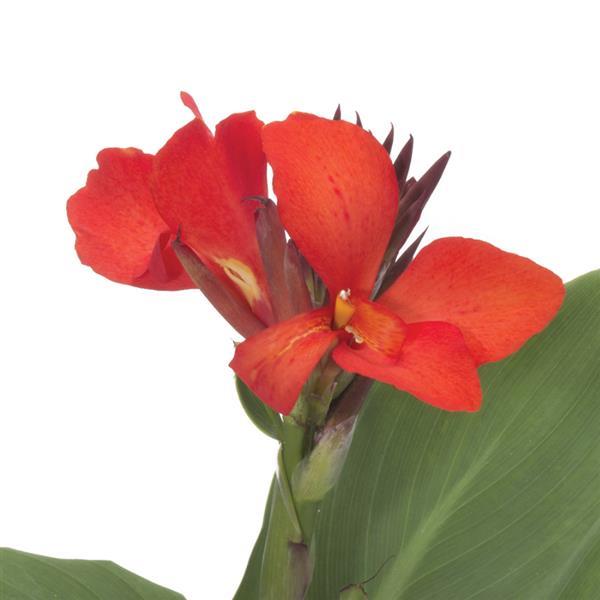
Moderate favorites: zinnias, sunflowers, canna, dahlia
Usually left alone: angelonia, lantana, salvia, lavender, alocasia, ferns
No plant is completely immune, but that last group is generally much less attractive to Japanese beetles.
Should You Hand Pick Them?
Surprisingly, yes. If you catch them early, knocking beetles into a bucket of soapy water reduces feeding before they attract a crowd. The key is acting early — once dozens have gathered, the damage accelerates fast.
Should You Use Beetle Traps?
Probably not. Research from Purdue and many university extension programs shows pheromone traps often draw more beetles into your landscape than they remove, especially when placed near susceptible plants. If you use them at all, put them well away from your prized ornamentals.
Caleb’s Take
What I’ve always found fascinating about Japanese beetles is how inconsistent they are. You can walk a landscape and find one rose bush absolutely covered while the one ten feet away has a handful. Once you realize they’re attracted to each other as much as to the plant itself, their behavior starts to make a lot more sense.
| Question | Answer |
| When do they appear? | Late June through August |
| How long do adults live? | About 4–6 weeks |
| Where are they the rest of the year? | Underground as grubs |
| Do they travel far? | Usually not — most stay near where they emerged |
| Why swarm one plant? | Feeding beetles attract more with pheromones |
| Should I use traps? | Usually no — unless placed well away from prized plants |
Hoosier Tip
If beetles are a yearly battle, lean on the “usually left alone” list when you plant. A patio anchored with lantana, angelonia, and salvia gives you dependable summer color that beetles tend to skip — save the roses and hibiscus for spots you’re willing to babysit.
More on troubleshooting, every Friday
Three growing guides like this one and a short note from the greenhouse, free, once a week. Written for Indiana gardens.
Reference: Purdue University Extension · Schlegel Greenhouse production notes