 Seasonal Tips
What Is Frost (And What It Actually Means for Your Plants)

Head of Operations, Schlegel Greenhouse · April 15, 2026
Every spring in Indiana, frost becomes the conversation. “Is it going to frost tonight?” “Am I safe to plant?” But most people are thinking about it too simply. They think cold = frost = dead plants. That's not really how it works.
What Frost Actually Is
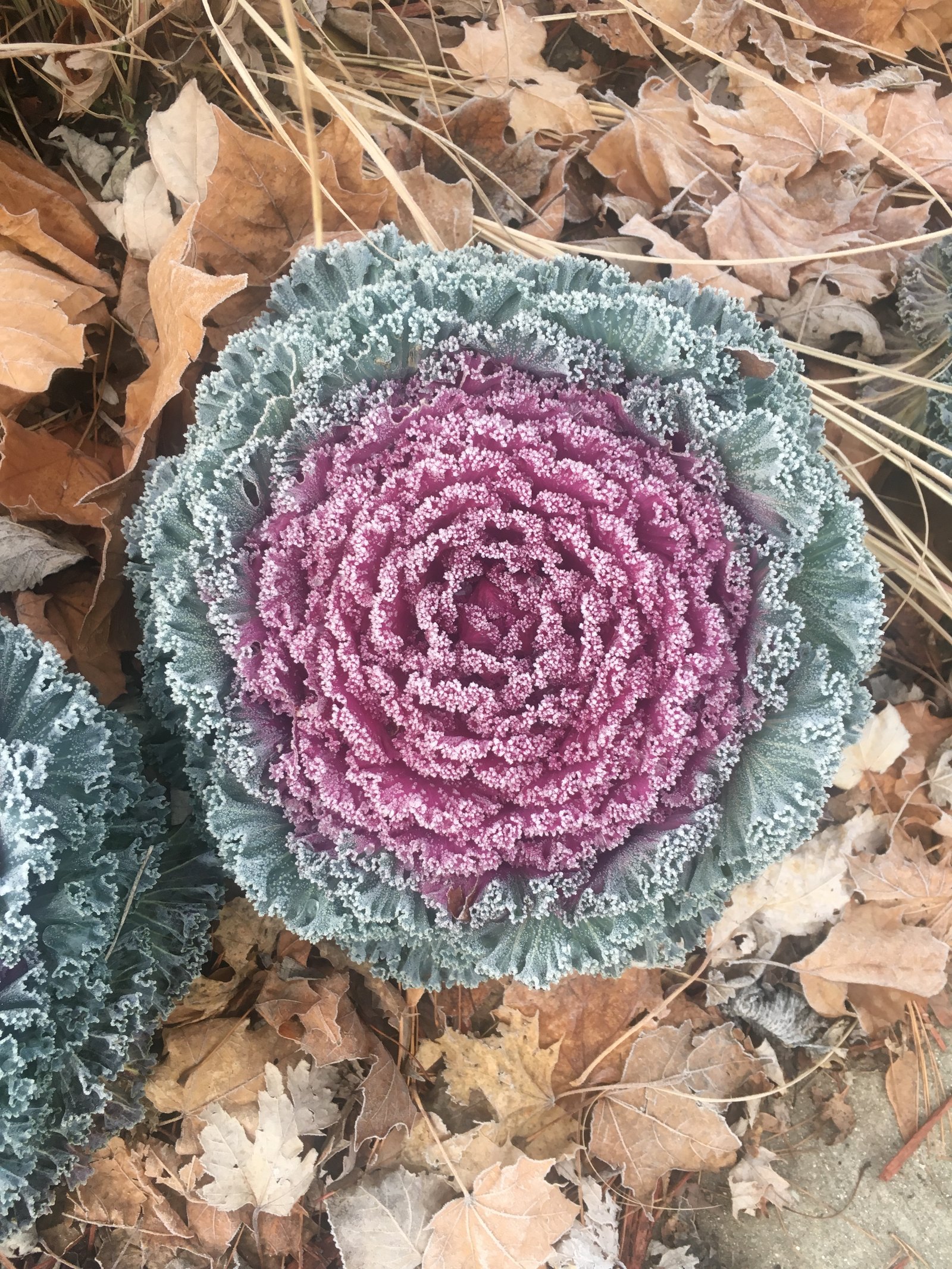
Frost is ice forming on the surface of a plant. It happens when the plant surface cools rapidly overnight and moisture in the air freezes onto it. And here's the important part: frost can happen even if the air temperature is above 32°F.
According to Purdue Extension, frost forms when plant surfaces lose heat on clear, calm nights — even if reported air temps don't hit freezing. So what your weather app says isn't always what your plant experiences.
What Temperature Does It Actually Take?
A simple rule of thumb:
- ✓ 36–33°F → frost possible
- ✓ 32°F → frost likely
- ✓ 28°F and below → damaging freeze
But the real driver isn't just the number. It's wind (no wind = more frost), cloud cover (clear skies = more frost), and moisture levels.
Why Some Plants Make It — and Others Don't
Some plants can handle a light frost: pansies, perennials, petunias (to a point), calibrachoa (light exposure), and verbena (especially once established). They may look a little rough, but they bounce back.
Others don't get that chance: begonias, impatiens, lantana, anything tropical. These plants don't tolerate cold stress well at all.
The Tip Most People Don't Know: Water Helps
This is where things get interesting — and a little counterintuitive. Watering your plants before a frost can actually help protect them.
Why? Because water holds heat better than dry soil, moist plants cool down more slowly, and even spraying plants before sunrise can raise their surface temperature slightly. If the water you're applying isn't frozen, you're giving the plant a small buffer. In some cases, that's enough to prevent damage.
Dry Plants Are Weaker Plants
This is the part people miss. If your plant is already stressed — especially from being dry — it's much more vulnerable. Michigan State Extension consistently emphasizes that plant stress increases susceptibility to environmental damage. And that includes frost.
Think of it like this: if you're sick, run down, and exhausted, going out into the cold hits a lot harder. If you're healthy? You handle it. Plants are the same way. Well-watered, healthy plants are more resilient. Dry, stressed plants are more likely to be damaged.
What To Do When Frost Is Coming
- ✓ Do: Water your plants (especially the day before). Spray lightly before sunrise if needed. Cover sensitive plants with cloth. Bring tropicals inside.
- ✓ Don't: Let plants dry out going into a cold night. Assume a warm day means a safe night. Rely only on air temperature.
Hoosier Tip
Frost isn't just about how cold it gets. It's about surface temperature, plant health, and moisture levels. One of the simplest ways to help your plants? Don't let them go into a cold night stressed and dry. Because just like people — healthy plants handle tough conditions a whole lot better.
More on seasonal tips, every Friday
Three growing guides like this one and a short note from the greenhouse, free, once a week. Written for Indiana gardens.
Reference: Purdue University Extension · Michigan State Extension