 Seasonal Tips
SunPatiens in Shade? Why They Might Be Even Better There
Owner, Schlegel Greenhouse · April 23, 2026
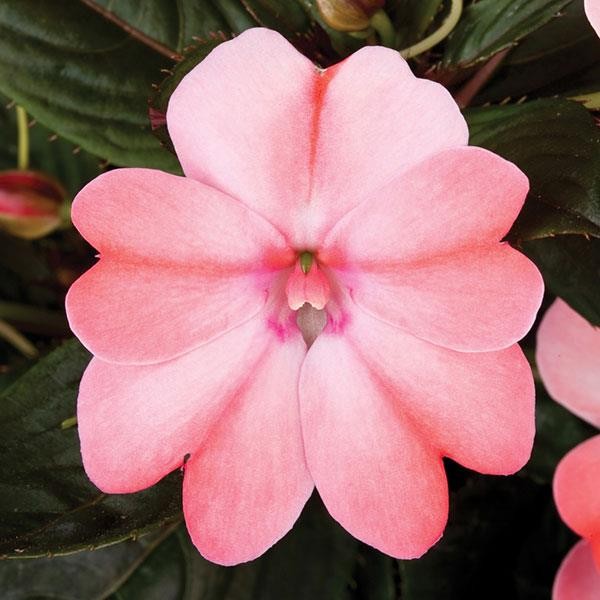
The name is SunPatiens, so most people assume full sun only. That’s not the full story.
Did You Know SunPatiens Don’t Need Full Sun?
SunPatiens were bred for versatility. They handle:
- ✓ Full sun
- ✓ Part sun
- ✓ Light shade
That flexibility is what makes them one of the most useful bedding plants available.
They Hold Their Own Against New Guinea Impatiens
In shade or part shade, SunPatiens perform as well as — often better than — New Guinea impatiens:
- ✓ Better disease resistance (especially downy mildew)
- ✓ Tolerate water on the foliage
- ✓ Hold up through humid Indiana summers
- ✓ Stay cleaner-looking longer without deadheading
What Changes in Shade
There’s a trade-off. In part shade you’ll see:
- ✓ Slower overall growth
- ✓ Slightly fewer blooms than in full sun
But you also get:
- ✓ Less heat stress
- ✓ Lower water demand
- ✓ More consistent color through July and August
Why This Matters Most in Containers
A shade planter is where SunPatiens really shine for busy gardeners:
- ✓ Moisture holds longer — the pot doesn’t bake
- ✓ In cooler shade, they can sometimes skip a day of watering
- ✓ Less wilting when life gets in the way
In full sun pots you must water daily. In shade pots, you have breathing room.
High-Impact Color Either Way
Yes — they grow a little slower in shade. Yes — you’ll get fewer blooms than in full sun. But the color you do get is bright, clean, and consistent, in both beds and planters, through frost.
That’s the difference between a plant that survives in shade and one that performs. SunPatiens perform.
The Real Takeaway
The name says sun. The plant says anywhere.
- ✓ Full sun → more growth, more water demand, maximum blooms
- ✓ Part shade → easier to maintain, still high-impact color
If a spot gets morning sun and afternoon shade, that’s often the SunPatiens sweet spot — heat early, relief late.
Hoosier Tip
For a shady north-facing porch container, SunPatiens can carry it all summer on far less water than they’d need in full sun — and still out-color most of what’s sold as a “shade plant.”
More on seasonal tips, every Friday
Three growing guides like this one and a short note from the greenhouse, free, once a week. Written for Indiana gardens.
Reference: Sakata Seed, Ball Seed grower guides · Purdue University Extension · Michigan State University Extension — Indiana gardening