 Seasonal Tips
Monarch Magic Ageratum: Don't Be Afraid to Cut It Back

Sales Director & Design Expert · July 24, 2026
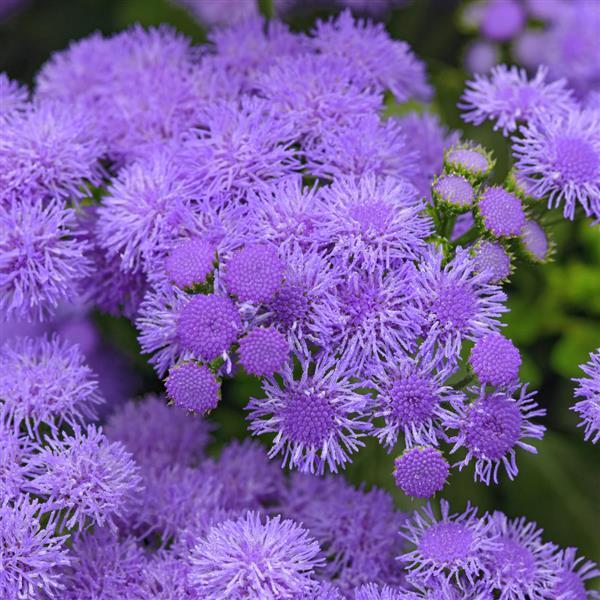
By mid-July, one quick haircut can turn a tired-looking Monarch Magic Ageratum into the freshest plant in the garden.
Many Monarch Magic plants hit an awkward stage right about now. The plant is still healthy. It’s still pulling in butterflies and bees. But it’s often covered in spent, faded flower clusters that make the whole thing look worn out.
That’s not a plant in decline. That’s a plant asking for a trim.
Why Cutting Back Monarch Magic Works
Every flower eventually reaches the end of its life. When those old flower heads stay on the plant, Monarch Magic keeps spending energy maintaining them instead of pushing fresh growth.
Removing the old blooms sends a simple message: it’s time to start growing again.
Monarch Magic responds exceptionally well to this because of how it’s built — it naturally branches from the leaf nodes just below each cut. One cut doesn’t just heal over; it forks into new flowering stems.
The Midsummer Refresh
Remove old flower clusters
↓
New branches push from the nodes below each cut
↓
Fresh flowers appear
Typical recovery: 10–14 days
How Much Can You Remove?
Don’t be timid. On a healthy Monarch Magic, it’s perfectly acceptable to remove:
- ✓ Spent flower spikes
- ✓ Leggy, stretched stems
- ✓ 20–30% of the overall plant, if it needs it
Within a couple of weeks, the result is usually a fuller, cleaner, more colorful plant than the one that was there before — and the pollinators come right back with it.
After Pruning
Help the plant bounce back by:
- ✓ Watering deeply
- ✓ Applying a balanced fertilizer
- ✓ Removing any yellowed foliage while you’re at it
Because Monarch Magic grows so quickly in warm weather, new shoots often show within the first week.
The Bottom Line
One quick trim now buys another full flush of flowers — and another round of monarchs and bees — through the rest of summer.
Hoosier Tip
Time the haircut right before a stretch of heat. Monarch Magic pushes its fastest regrowth in warm weather, so a plant cut back ahead of a hot week rebounds noticeably quicker than one trimmed during a cool, cloudy spell.
More on seasonal tips, every Friday
Three growing guides like this one and a short note from the greenhouse, free, once a week. Written for Indiana gardens.
Reference: Purdue University Extension · Schlegel Greenhouse production notes