 Industry News
Have We Made Our Garden Plants Too Small?

Vice President & Owner, Schlegel Greenhouse · October 30, 2026
At the Chicago Botanic Garden, plant breeders are asking a different question: not just how a perennial looks in a pot, but what it contributes to a garden.
Walk through a garden center in spring and you’ll notice something about many of the newest perennial varieties: they’re compact.
Coneflowers that once stood three feet tall now come in varieties barely half that height. Other familiar garden plants have undergone similar transformations, producing shorter stems, denser foliage, and more flowers on smaller plants.
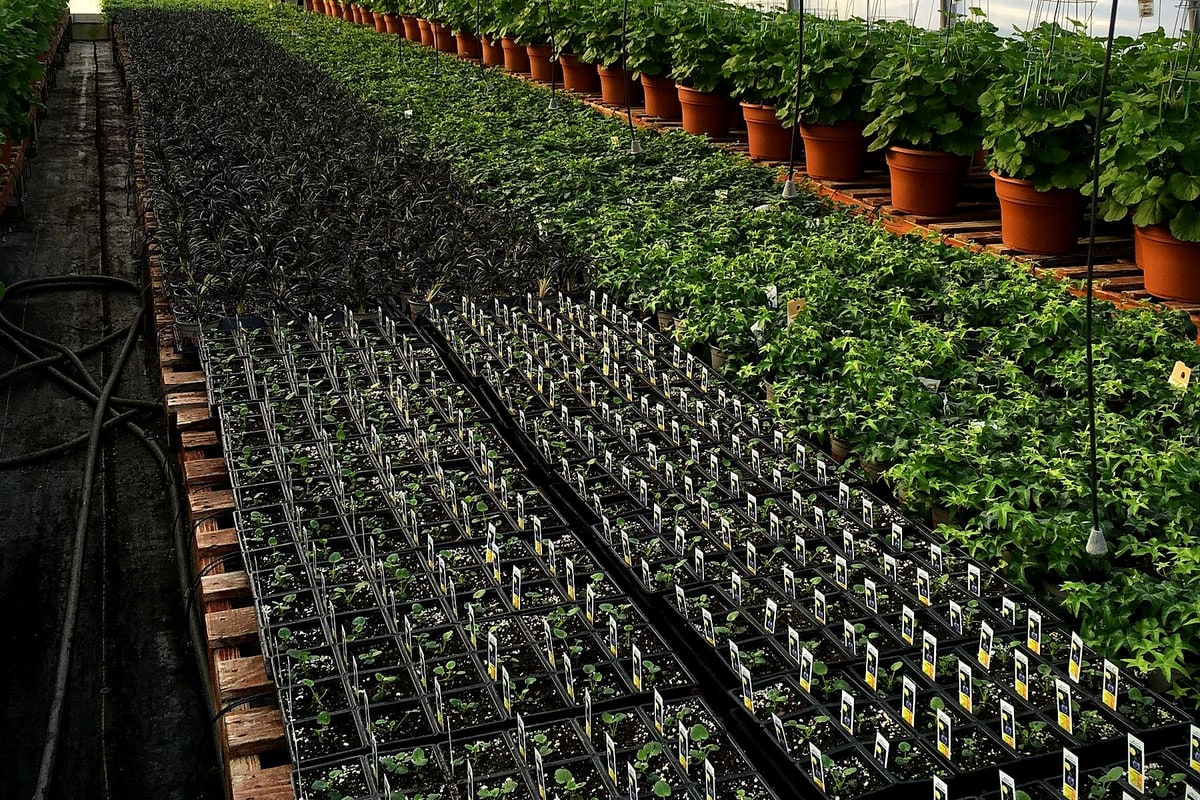
There’s a practical reason for this. Compact plants look attractive in pots. They’re easier to transport, easier to display, and often better suited to small gardens.
But is smaller always better?
That’s a question being raised by an unusual plant breeding program at the Chicago Botanic Garden.
A Different Kind of Breeding Program
In an October 28 article published by Greenhouse Grower, ornamental plant breeder Justin Lombardoni explained how the Chicago Botanic Garden approaches developing new perennial varieties.
Unlike commercial breeding companies, which must consider whether enough growers and gardeners will buy a new plant, the Garden operates as a nonprofit. Its breeding program can pursue characteristics that might not immediately translate into commercial success.
One priority is working with native plants, particularly lesser-known species with untapped ornamental potential.
Lombardoni raises an interesting question: with so many coneflower and hosta varieties already available, might gardeners benefit more from someone developing plants they’ve scarcely encountered?
It’s an appealing idea. Garden centers have become remarkably good at offering new colors and flower forms of familiar plants. But introducing gardeners to an entirely different plant can be just as exciting.
The Garden also emphasizes characteristics such as winter hardiness, resistance to disease, and tolerance of the challenging conditions found in Midwestern gardens.
What Happens When We Breed for Appearance?
Plant breeding has given gardeners tremendous improvements.
Many modern varieties flower longer, resist diseases that troubled older selections, and perform better in containers. These are meaningful achievements, not merely cosmetic changes.
But selecting plants primarily for their appearance can involve trade-offs.
Consider double flowers. In some plants, the additional petals develop at the expense of reproductive structures, potentially reducing pollen or making nectar harder for insects to reach.
That doesn’t mean every double flower is useless to pollinators, or that every single flower is valuable. It means the details matter.
Lombardoni says his program generally avoids breeding for sterility or traits that interfere with a plant’s ecological functions. The Garden hopes to investigate pollinator visits to its new selections and compare them with the original species.
That’s an important distinction. A flower’s appearance alone cannot tell us how useful it is to a bee or butterfly. Those questions are best answered by observing what actually visits it.
Sometimes a Five-Foot Plant Is Exactly What We Need
One example of the Garden’s approach is Eutrochium maculatum ‘Summer Snow’, a selection of Joe-Pye weed.
It grows about five feet tall, producing upright stems topped with white flowers in summer.
That’s hardly the compact profile we’ve come to expect from modern perennial introductions.
But its height is part of its appeal. Tall plants create structure, provide contrast with lower-growing flowers, and help a garden feel layered rather than flat.
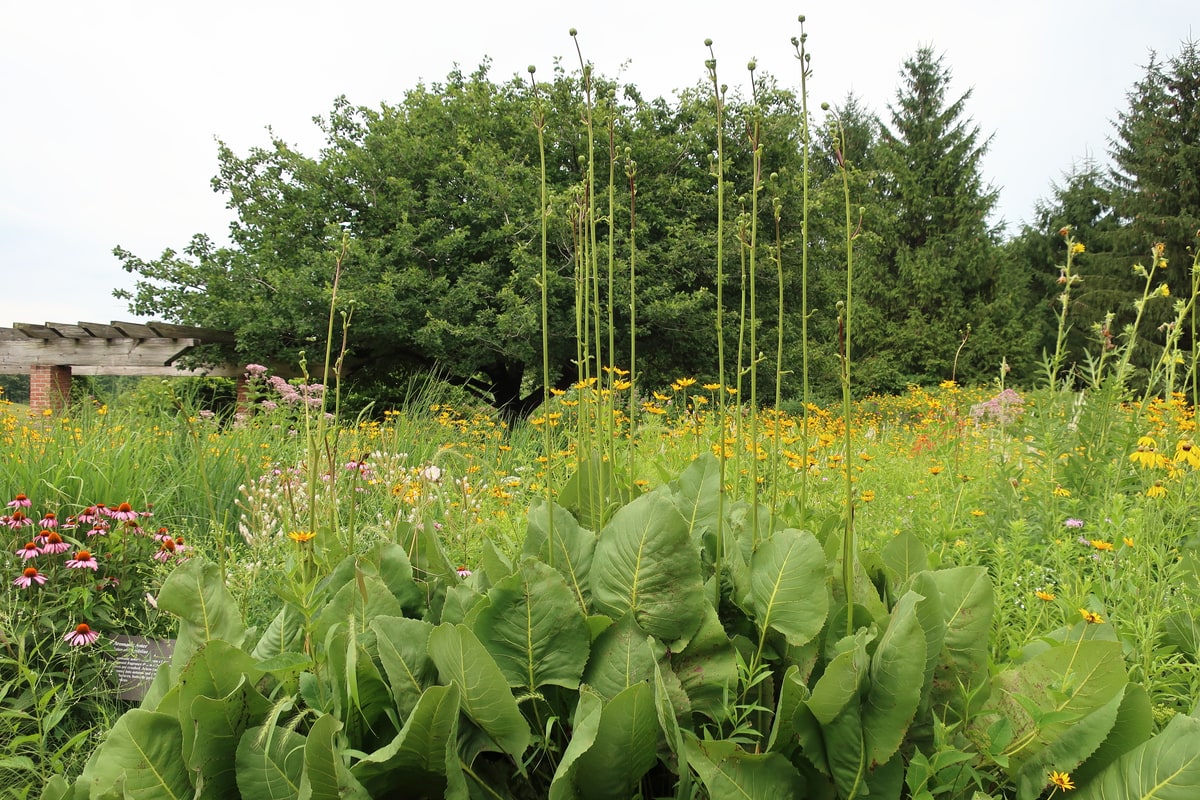
Prairie dock sends its flower stems well above the coneflowers in the Native Plant Garden at the Chicago Botanic Garden. Photo: cultivar413, via Wikimedia Commons, CC BY 2.0, cropped.
This doesn’t mean every gardener needs five-foot-tall perennials. A small patio garden may genuinely benefit from compact varieties. And plenty of modern commercial cultivars offer excellent value to pollinators.
The point is that a plant’s usefulness extends beyond how it looks when we buy it.
A perennial should be judged by what it becomes after a few seasons in the ground: how it handles summer heat, how well it survives winter, whether it resists disease, and what it offers the living things around it.
As growers, we spend a great deal of time thinking about how plants look when they’re ready to leave the greenhouse. It’s worth remembering that this is only the beginning of their lives in a garden.
The Chicago Botanic Garden’s work is a reminder that the best new plant isn’t always the smallest, the showiest, or the easiest to sell.
Sometimes it’s the one that makes the whole garden better.
Read the original
This piece is an independent commentary on Justin Lombardoni’s first-person article. Read “How Chicago Botanic Garden Approaches Perennial Breeding” in Greenhouse Grower →
Hoosier Tip
When you compare perennials, read the tag for the mature height and spread, not the size of the plant in the pot. In the Chicago Botanic Garden’s trials, ‘Summer Snow’ measured just under four feet in its second year and over five feet in its third.
More from this issue
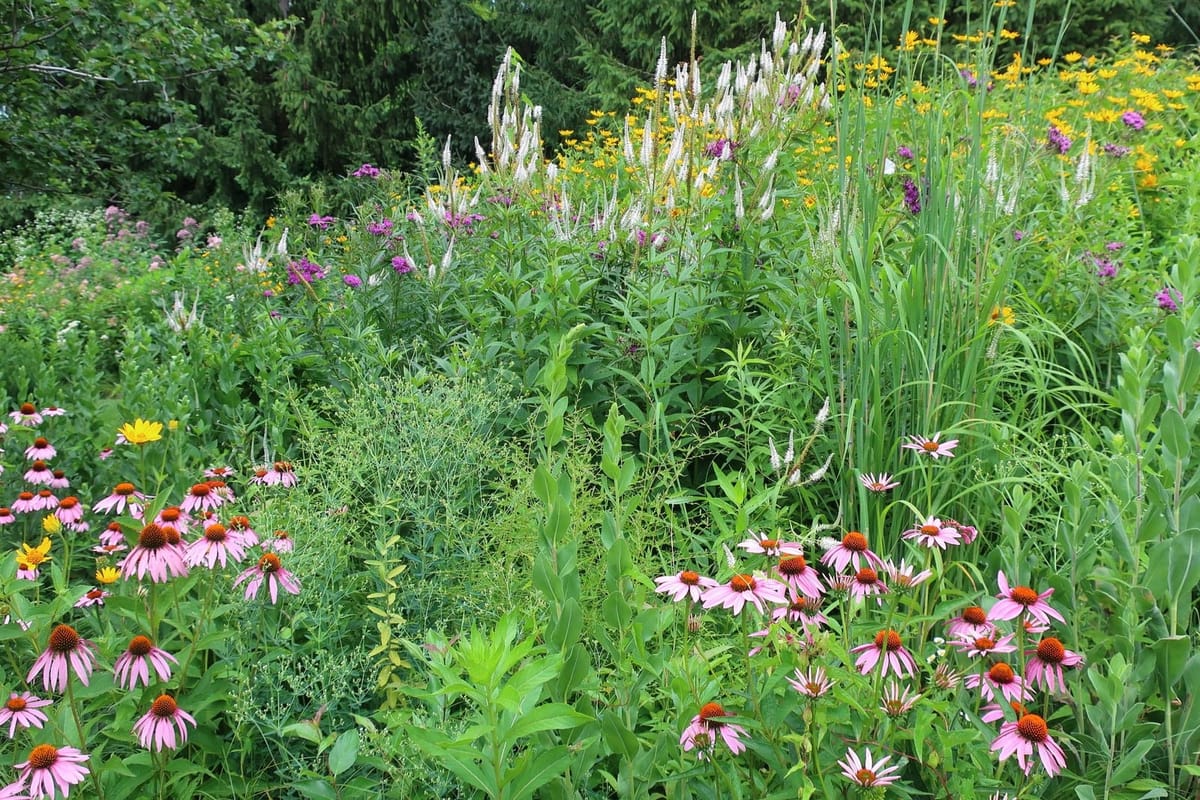
Top photo: coneflowers in front, with Culver’s root and ironweed rising behind them, in the Native Plant Garden at the Chicago Botanic Garden. Photo: cultivar413, via Wikimedia Commons, CC BY 2.0, cropped.
More on industry news, every Friday
Three growing guides like this one and a short note from the greenhouse, free, once a week. Written for Indiana gardens.
Reference: Justin Lombardoni, “How Chicago Botanic Garden Approaches Perennial Breeding,” Greenhouse Grower, October 28, 2026; Chicago Botanic Garden, Justin Lombardoni, Ornamental Plant Breeder; Chicagoland Grows, Plant Release Bulletin #49: Summer Snow Joe-Pye Weed (2021).