 Container Care
Has Your Container Run Out of Fertilizer? Time to Recharge with Osmocote.

Owner, Schlegel Greenhouse · July 31, 2026
By early August, a container full of tired-looking annuals usually isn’t thirsty — it’s hungry.
You start noticing something strange this time of year. The petunias are still alive. The SunPatiens are still growing. Everything is getting watered on schedule… but the flowers just aren’t as impressive as they were in June.
Often the problem isn’t water. It’s food.
If you mixed a controlled-release fertilizer like Osmocote into your containers this spring, there’s a good chance those granules have done exactly what they were designed to do — slowly released most of their nutrients over the past several months. Giving pots a late-season boost is one of the simplest ways to keep them beautiful into September.
How Controlled-Release Fertilizer Works
April–May — fresh granules mixed into the soil
↓
May–June — every watering slowly releases nutrients
↓
July — warm temperatures speed the release
↓
August — most nutrients spent · time for a fresh application
Why Fertilizer Doesn’t Last Forever
Controlled-release fertilizers work differently than the water-soluble kind. Each granule is wrapped in a polymer coating that lets nutrients move into the soil as temperatures warm and moisture passes through the pot. The warmer the weather, the faster they release — so a hanging basket watered every day through a hot Indiana summer often exhausts its supply much sooner than gardeners realize.
A few things speed the burn:
- ✓ High temperatures
- ✓ Frequent watering
- ✓ Smaller containers that heat up quickly
- ✓ Fast-growing annuals with high nutrient demand
Signs Your Plants Are Hungry
Your plants don’t have to turn yellow to need feeding. Watch for:
- ✓ Flower production slowing dramatically
- ✓ New growth coming in noticeably smaller
- ✓ Leaves losing their rich green color
- ✓ Plants that look healthy but have simply stopped growing
If more water hasn’t solved it, fertilizer is usually the missing piece.
How to Recharge a Pot
It takes only a few minutes:
- ✓ Sprinkle a light application of Osmocote evenly across the soil surface
- ✓ Lightly work the granules into the top inch of mix
- ✓ Water thoroughly
Within a couple of weeks, most annuals respond with darker foliage, stronger growth, and another flush of blooms.
Great Candidates for a Mid-Summer Feeding
- ✓ Petunias and calibrachoa
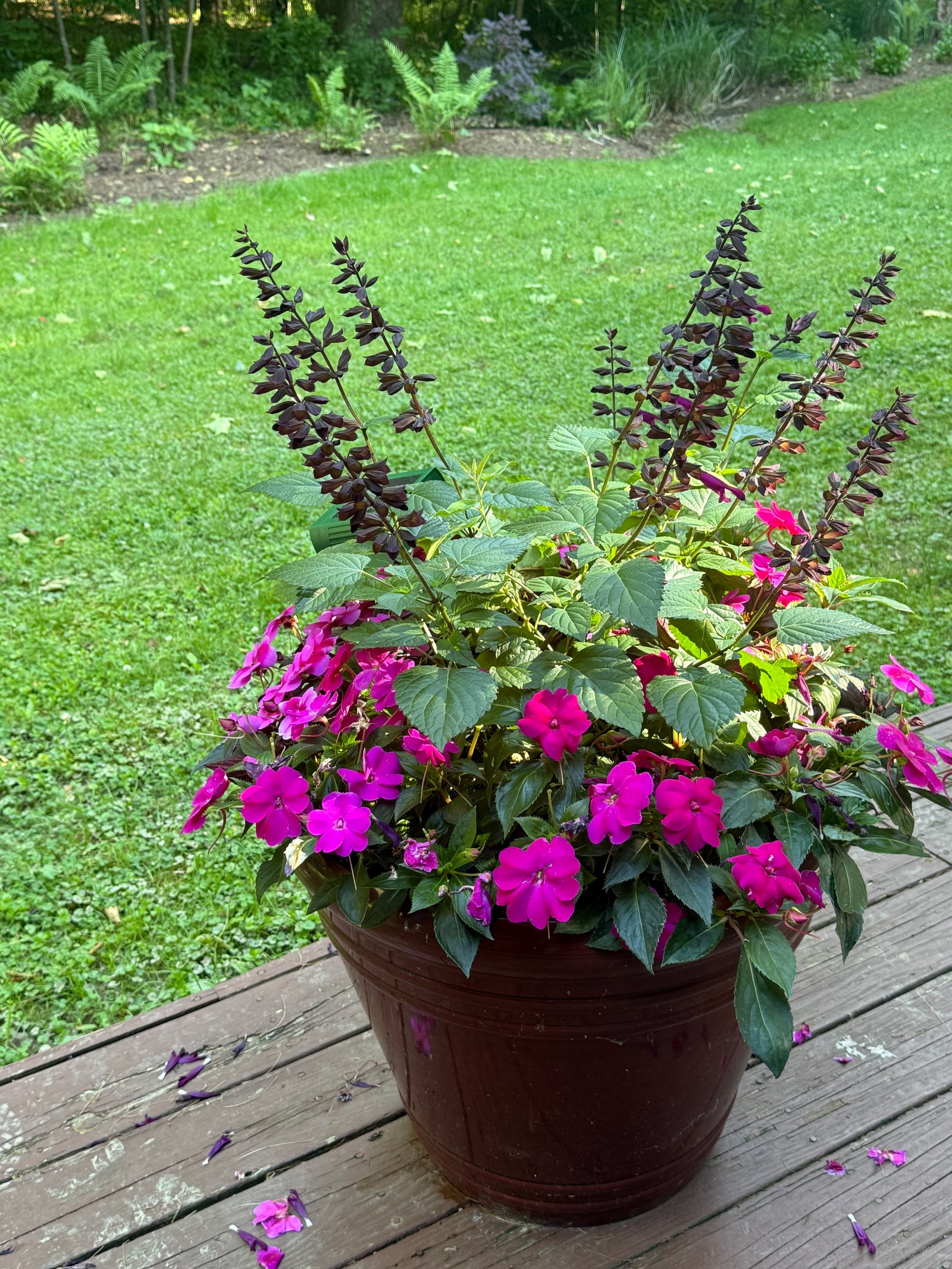
- ✓ SunPatiens
- ✓ Angelonia
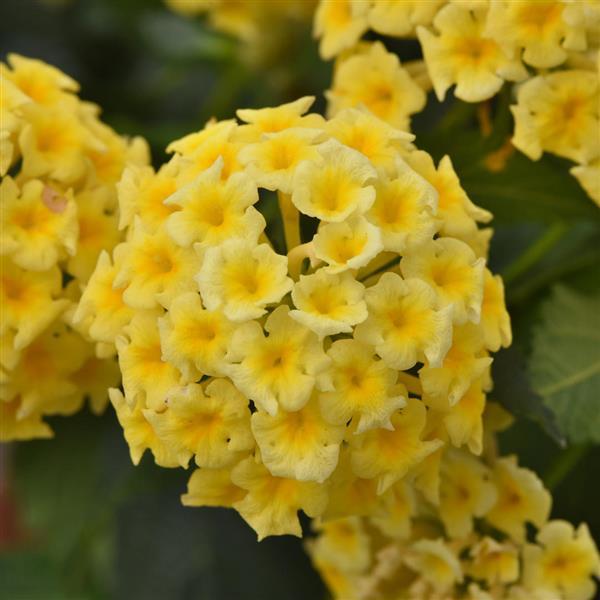
- ✓ Lantana
- ✓ Hibiscus
- ✓ Mixed patio containers
All of these still have weeks — sometimes months — of beautiful growing weather ahead.
Caleb’s Take
One of the biggest misconceptions I hear is that a plant is “done for the year” because it isn’t blooming like it did in June. In reality, it’s often just hungry. A fresh application of Osmocote, combined with a little pruning and consistent watering, can completely transform a container and carry it right into fall.
Hoosier Tip
Work the granules into the top inch of soil rather than leaving them on the surface. Loose granules sitting on top wash off in a hard rain or get scattered when you water — a light scratch-in keeps them where the roots can actually use them.
More on container care, every Friday
Three growing guides like this one and a short note from the greenhouse, free, once a week. Written for Indiana gardens.
Reference: Purdue University Extension · Schlegel Greenhouse production notes