 Seasonal Tips
Frost Tips: Why Sometimes a Cloudy Day Is Good for Your Plants

Sales Director & Design Expert · May 1, 2026
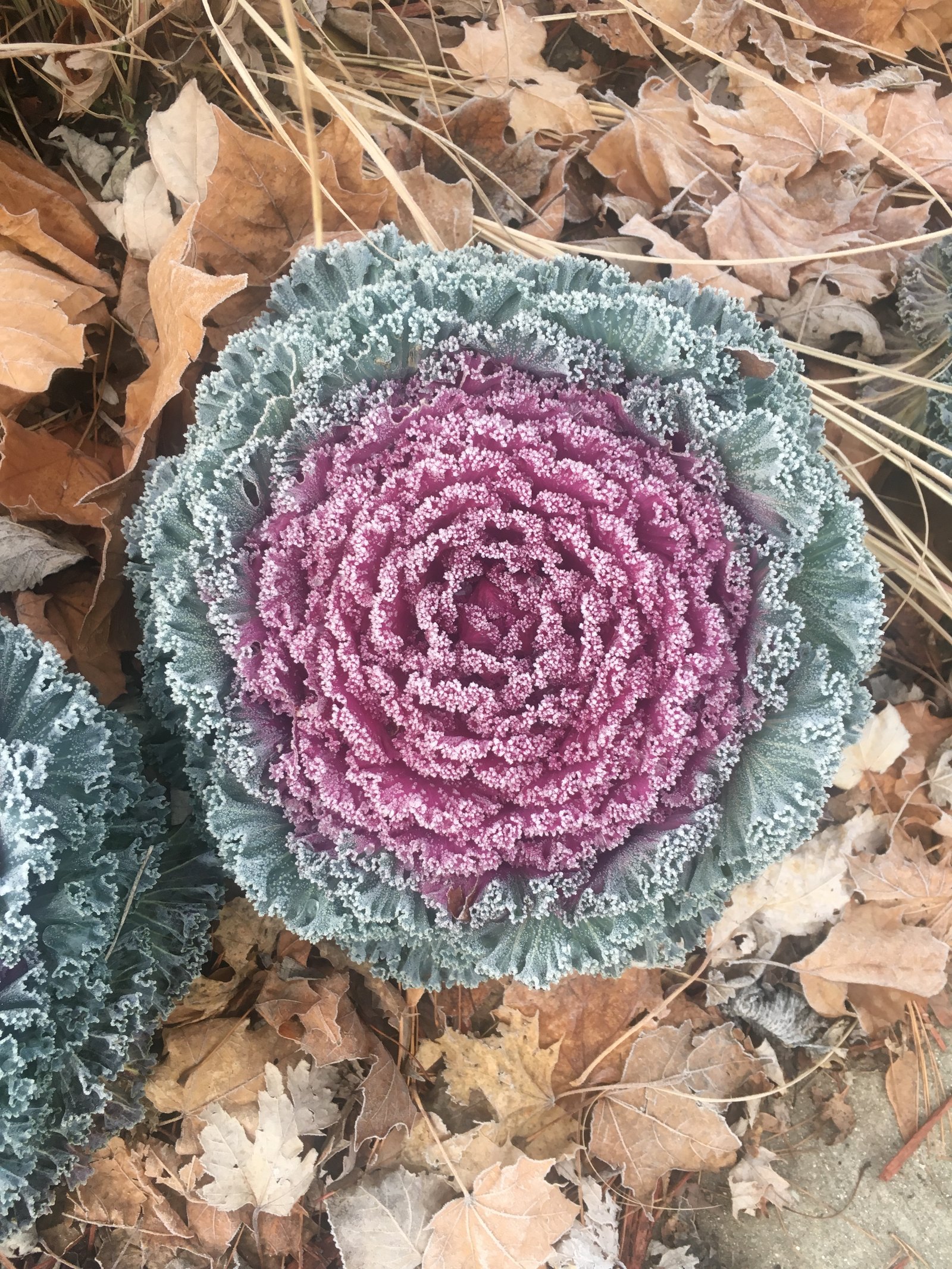
Frost can feel unpredictable. One night your plants are fine. The next morning they’re damaged. But there’s a reason it happens.
Why Clouds Matter
Frost forms when heat escapes from the ground overnight.
On clear nights:
- ✓ Heat rises and dissipates
- ✓ Surfaces cool rapidly
- ✓ Frost forms on plants
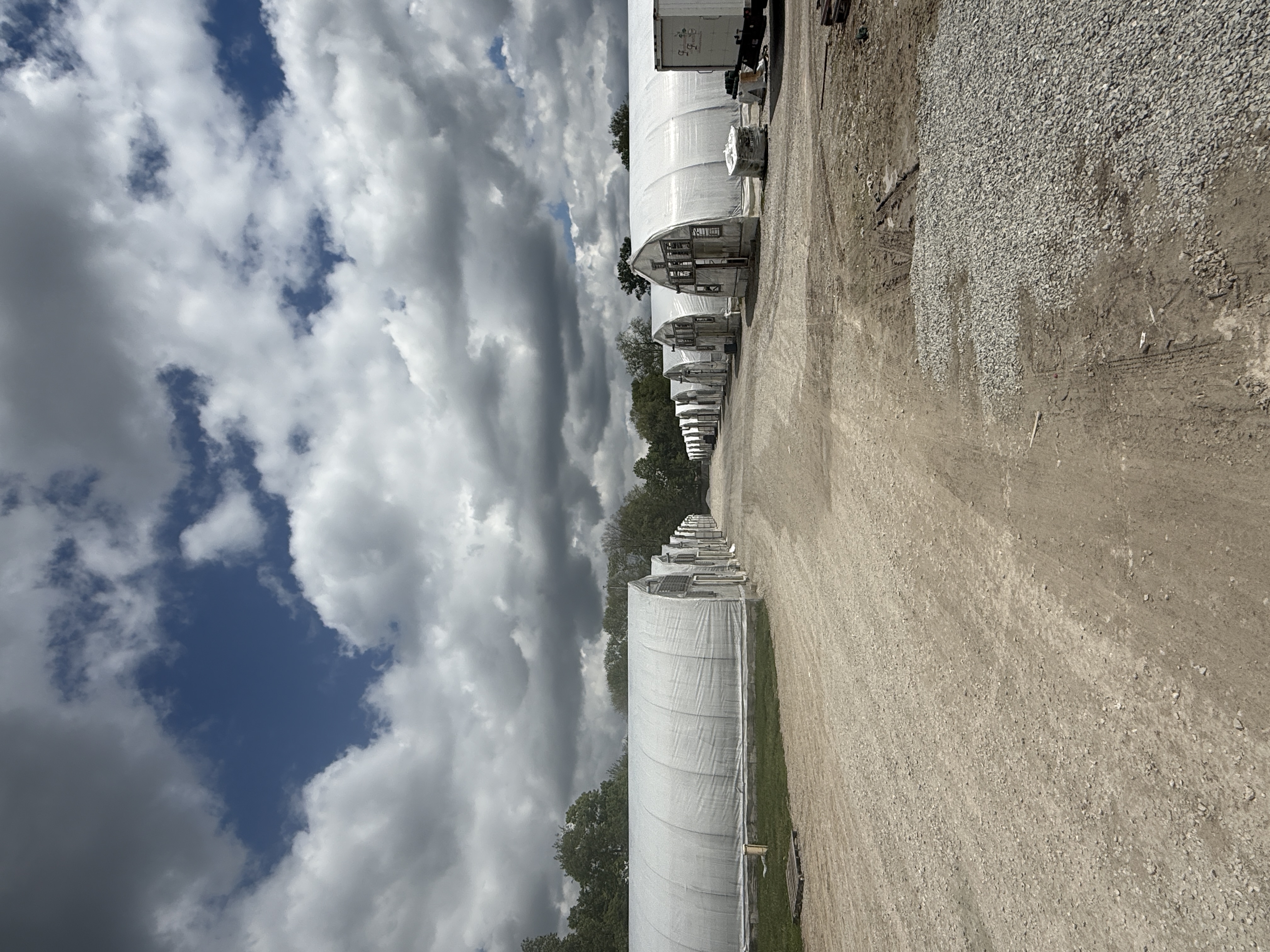
According to Purdue Extension and Michigan State University Extension: clouds act like insulation. They trap heat near the ground.
So when clouds are present:
- ✓ Temperatures stay more stable
- ✓ Surfaces don’t cool as quickly
- ✓ Frost is less likely to form
But Don’t Rely on It
Cloud cover can change quickly. Wind can shift. Conditions can drop faster than expected. So while clouds help — they’re not something to depend on.
How to Actually Protect Your Plants
Planters: The Easy Win
If your plants are in containers, bring them inside if possible:
- ✓ Garage
- ✓ Covered porch
- ✓ Near the house
Even a small amount of protection makes a big difference.
Beds: Protect in Place
For plants in the ground, you have three jobs.
Cover them. Use frost cloth, sheets, or light fabric. Cover before sunset to trap heat from the day.
Water ahead of time.
- ✓ Moist soil holds heat better
- ✓ Helps buffer temperature drops
Use your surroundings.
- ✓ Plant near structures
- ✓ Group plants together when possible
What Not To Do
- ✓ Don’t use plastic directly on plants
- ✓ Don’t wait until morning
- ✓ Don’t let plants go into the night dry
One Simple Way to Think About It
Healthy, hydrated plants handle stress better — just like people do.
The Real Takeaway
Clouds help explain frost — but they don’t protect your plants. You do.
And the best protection is simple:
- ✓ Move what you can
- ✓ Cover what you can’t
- ✓ Prepare before the temperature drops
Hoosier Tip
Don’t guess. Protect your plants before the night starts — covering at sunset traps the warmth from the day, while waiting until 10 PM means you’re draping fabric over already-cold leaves and getting almost none of the insulation benefit.
More on seasonal tips, every Friday
Three growing guides like this one and a short note from the greenhouse, free, once a week. Written for Indiana gardens.
Reference: Purdue University Extension · Michigan State University Extension — Indiana gardening resources