 Seasonal Tips
Frost Is Coming. What Does That Mean for Your Mums?

Vice President & Owner, Schlegel Greenhouse · October 16, 2026
At some point every October, the forecast starts showing temperatures in the 30s, and people begin wondering whether their mums are finished. The good news is that garden mums are much more cold-tolerant than most of the annuals we’ve been growing all summer.
A light frost isn’t necessarily going to kill your mum, and it may not do much visible damage at all. But there’s an important difference between keeping the plant alive and keeping its flowers looking good.
A Light Frost Usually Isn’t a Big Problem
Modern garden mums are selected to flower in the cooler conditions of fall. Unlike vinca, coleus or other warm-season annuals, they can generally handle a brief brush with temperatures near freezing. A light frost around 32°F, particularly one that doesn’t last long, may leave the plant looking almost exactly as it did the day before.
In general, Illinois Extension notes that significant frost damage usually doesn’t show up until temperatures drop to 28°F or lower.
But frost damage depends on more than the number in the forecast. The temperature of the flower surface itself, how long it stays cold, the wind and whether the plant has been hardened by cooler weather all matter.
Why Frost Can Shorten the Life of the Flowers
This is where things get interesting. When plant tissue freezes, ice usually forms first in the spaces between cells. That draws water out of the cells and dehydrates them. If ice forms inside the cells themselves, it can rupture their membranes, and that tissue can no longer function.
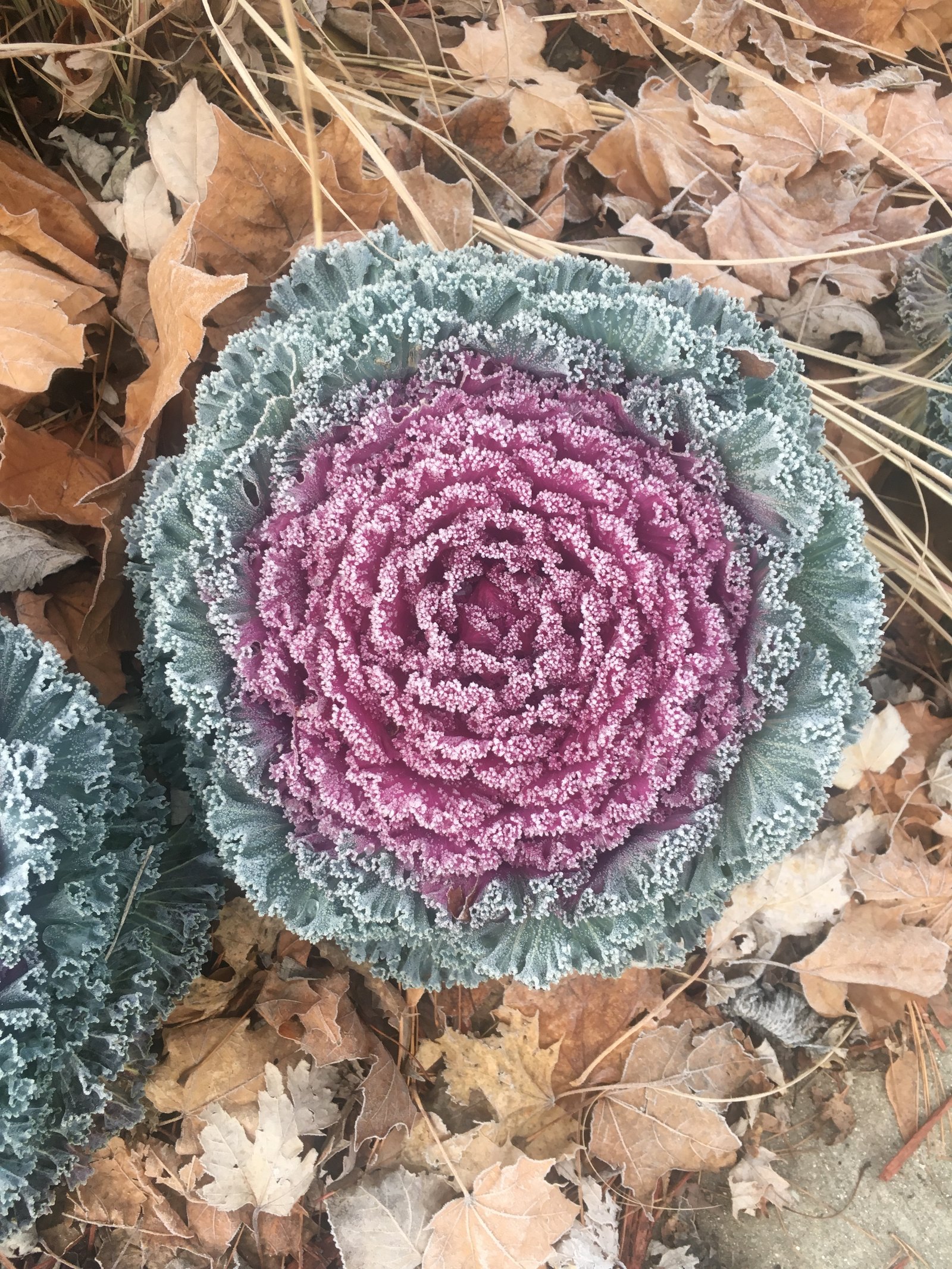
Flower petals are delicate compared with the stems and leaves of a mum. So you can have a plant that survives a frost perfectly well while some of its open flowers develop translucent spots, brown edges or areas that collapse as they thaw. Those flowers were already partway through their natural life, and frost makes them look spent sooner. That’s why a mum might look fine after one cold night and noticeably older a few days later. The frost didn’t kill the plant. It damaged some of the flowers.
Buds and Open Flowers Aren’t the Same
A mum with plenty of unopened buds may have more flowering life left after a light frost than one that’s already fully open. Developed buds are somewhat protected by their surrounding tissue, although a hard enough freeze can damage those too. Fully open flowers expose much more delicate tissue to the cold.
This is another reason I recommend buying mums before every flower has opened. You’re giving yourself more time to enjoy the display, and some buds may keep opening after mild cold weather.
Should You Cover Your Mums?
If the forecast calls for a brief light frost, I wouldn’t panic. But if you have a particularly nice mum that’s still covered in flowers, protecting it is worthwhile.
For a container mum, the easiest option is to move it into the garage or another sheltered spot overnight, then put it back outside when temperatures recover. If the plant is in the ground or too big to move, cover it with frost cloth or a lightweight sheet. Ideally, support the covering so it isn’t pressing on the flowers, and secure it near the ground to hold in some warmth. Take it off once temperatures rise.
Don’t lay plastic directly against the flowers. Plastic touching the plant passes the cold straight through and can cause damage. If we’re expecting temperatures well into the 20s for an extended stretch, protection matters much more, and even a covering may not save every flower.
What If My Mum Already Got Frosted?
Give it a little time. Sometimes flowers look rough first thing in the morning but recover reasonably well once it warms up. Other times you’ll see brown or water-soaked petals that don’t improve.
If the plant is otherwise healthy, pull off the flowers that are clearly damaged. There may still be plenty of good blooms underneath. Keep checking soil moisture, too. Cooler weather reduces water use, but the root ball still shouldn’t dry out completely.
Will My Mum Come Back Next Spring?
That’s a separate question from whether it survives the first frost. Garden mums are perennial chrysanthemums, but whether one makes it through an Indiana winter depends on the variety, how well it’s rooted in, drainage and the winter itself.
Purdue Extension says mid-May is the best time to plant garden mums, and that fall planting “has not proven very satisfactory throughout most of Indiana,” although some container-grown plants may overwinter with adequate winter mulch. A mum planted in full bloom in October simply has little time to root in before the ground freezes.
So don’t assume a mum that shrugs off an October frost will automatically survive January. For now, enjoy the flowers. The first frost doesn’t have to mean the end of mum season. A little protection can help preserve the display, and some plants will keep looking good well after the summer annuals have finished.
Hoosier Tip
Watch the sky as much as the thermometer. A clear, still night lets heat escape and brings frost on at temperatures a cloudy night never would. If it’s clear and calm with a low in the mid-30s, move the pots in before sunset rather than at bedtime.
More on seasonal tips, every Friday
Three growing guides like this one and a short note from the greenhouse, free, once a week. Written for Indiana gardens.
Reference: Purdue Extension, HO-77, Chrysanthemums; University of Illinois Extension, Home, Yard and Garden: frost protection; Illinois Extension, Chrysanthemums; University of Georgia Extension, freeze injury; Schlegel Greenhouse production notes.