 Seasonal Tips
Do "Mosquito Repellent Plants" Actually Work? (Not Really — Here's What Does)

Head of Operations, Schlegel Greenhouse · April 11, 2026
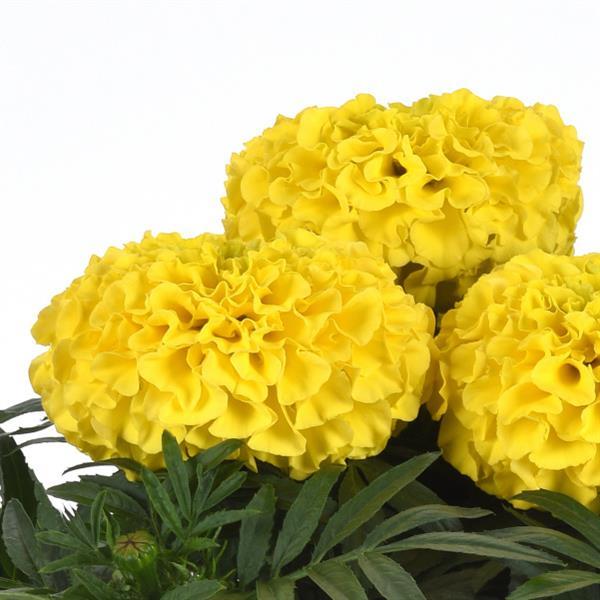
Every spring, it starts again. People come into the garden center looking for citronella, lemongrass, and marigolds. And they ask the same question: “These keep mosquitoes away, right?”
I wish it were that simple.
The Idea Sounds Good (But It's Misleading)
There is some truth behind it. Certain plants — like citronella, lemongrass, and marigolds — contain compounds that can repel insects. That's real. But here's the part that gets lost: the plant just sitting there doesn't do much.
Why These Plants Don't Actually Protect Your Yard
The mosquito-repelling effect comes from oils inside the plant. To get that effect, you typically need to:
- ✓ Crush the leaves
- ✓ Extract the oil
- ✓ Concentrate it
That's what's used in sprays and candles.
According to research and extension guidance from universities like University of Florida IFAS Extension, simply having these plants nearby does not produce a strong enough concentration of repellent compounds to meaningfully reduce mosquito activity.
So when you plant citronella in a pot on your patio… it looks great. It smells nice. But mosquitoes are still going to land on you.
Marigolds, Lemongrass, Citronella — What They're Actually Good For
This doesn't mean they're useless. They still add color and texture, smell good, and fit well in containers. In some cases, they may have minor localized effects — but not enough to rely on.
Think of them like this: they're good plants — not mosquito solutions.
Why Mosquitoes Are Really in Your Yard
If you want to control mosquitoes, you have to think like one. Mosquitoes aren't showing up because you didn't plant citronella. They're showing up because they have a place to breed. And that place is: standing water.
Even a tiny amount:
- ✓ A bucket
- ✓ A clogged gutter
- ✓ A plant saucer
- ✓ A low spot in the yard
That's all they need.
The Method That Actually Works: Mosquito Dunks
If you want real control, this is where to focus.
Mosquito dunks contain a naturally occurring bacterium called Bacillus thuringiensis israelensis (Bti). This bacterium specifically targets mosquito larvae.
Why It's So Effective
- ✓ Mosquitoes lay eggs in water
- ✓ Larvae hatch and feed in that water
- ✓ Bti is ingested by the larvae
- ✓ It stops them from developing into biting adults
No adults = no problem.
According to the EPA, Bti is highly selective — it affects mosquito larvae but is not harmful to people, pets, fish, or beneficial insects when used as directed.
Why It's Actually Safer Than Spraying
A lot of people default to spraying. But spraying kills beneficial insects, has short-term effects, and doesn't address the source.
Dunks, on the other hand:
- ✓ Target the problem at the source
- ✓ Last for weeks
- ✓ Don't disrupt your garden ecosystem
It's a much cleaner solution.
How to Use Them
It's simple:
- ✓ Drop a dunk (or a piece of one) into standing water
- ✓ Use them in bird baths, drainage areas, buckets, and pond edges
- ✓ Reapply every ~30 days
That's it.
The Honest Take
If mosquito-repelling plants actually worked the way people think they do… you'd never get bitten at a garden center. And we all know that's not the case.
Hoosier Tip
Citronella, lemongrass, and marigolds are great plants — but they are not reliable mosquito control. If you want fewer mosquitoes: control the water, break the lifecycle, and use mosquito dunks. That's what actually works.
More on seasonal tips, every Friday
Three growing guides like this one and a short note from the greenhouse, free, once a week. Written for Indiana gardens.
Reference: University of Florida IFAS Extension · EPA Bti Fact Sheet