 Troubleshooting
Can I Save My Dahlias for Next Year?

Sales Director & Design Expert · May 6, 2026
This is one of the most common questions people ask once dahlias start taking off: “Can I keep these for next year?”
The answer is sometimes yes, sometimes not really — and it depends entirely on the type of dahlia.
Traditional Tuber Dahlias vs. Modern Vegetative Dahlias
Traditional dahlias are grown from tubers. According to Longfield Gardens, tubers store energy underground, can be dug, divided, and replanted, and often become larger over time. These are the classics:
- ✓ Dinnerplate dahlias
- ✓ Cut flower varieties
- ✓ Collector-style dahlias
But Most Modern Bedding Dahlias Are Different
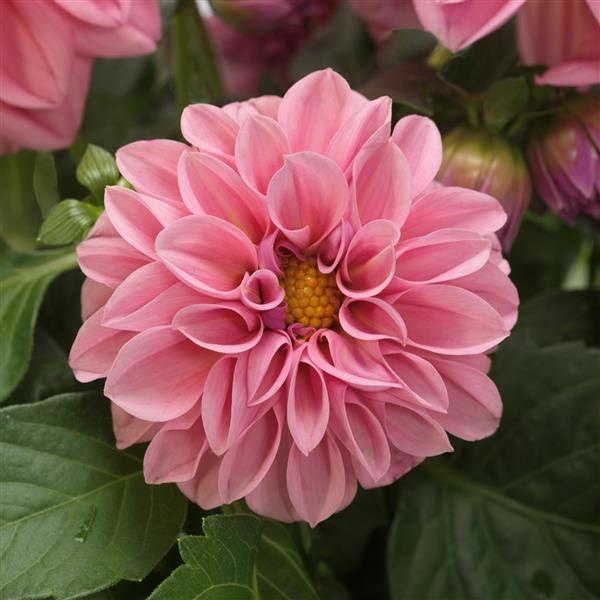
Series like Dahlietta, Dalaya, City Lights, and Venti are typically sold as vegetative or seed-propagated annual dahlias. These are bred very differently than classic tuber types.
Can They Be Saved?
Technically, they can form tubers. But realistically, most people do not successfully overwinter them the same way as traditional tuber dahlias. Why? Because these varieties were bred for:
- ✓ Uniformity
- ✓ Controlled growth
- ✓ Reliable retail performance
— not necessarily long-term tuber storage.
Why Modern Vegetative Dahlias Became So Popular
There are real advantages to these newer types. Compared to traditional tuber-grown dahlias, vegetative series are often:
- ✓ More uniform
- ✓ More consistent in habit
- ✓ Earlier blooming
- ✓ Cleaner in containers
- ✓ More predictable in production
And importantly, often less prone to virus and inconsistency. This is a major reason growers love them.
What Traditional Tubers Still Do Better
Traditional tuber dahlias still dominate in one area: cut flowers. They often produce larger stems, more dramatic flowers, and more unique forms. But they can also be more inconsistent, slower, and less uniform plant-to-plant.
Seed Dahlias Are Even Less Predictable
According to information from Longfield Gardens, seed-grown dahlias are genetically variable — meaning offspring may not resemble the parent plant, and color and form can vary widely. That unpredictability is part of the fun, but not ideal for commercial consistency.
What Happens in Indiana Winters
This is the real challenge. Dahlias are not frost hardy. In Indiana, wet cold soil, freeze/thaw cycles, and winter moisture can easily rot tubers.
So... Should You Try Saving Them?
For anyone who loves experimenting — absolutely. But for anyone expecting perfect carryover, same vigor, and same performance next season, that becomes much less reliable with vegetative bedding dahlias.
The Real Takeaway
Modern vegetative dahlias were bred for performance now. Traditional tuber dahlias were bred for long-term collection and cutting. Both have value — they’re just solving different problems.
Simple Rule
- ✓ Vegetative dahlias = consistency
- ✓ Traditional tubers = collectability and cut flowers
Part of the beauty of modern dahlias is simply enjoying them while they’re spectacular.
Hoosier Tip
If a Dahlietta, Dalaya, City Lights, or Venti caught your eye and you want to try saving it, treat it as a low-stakes experiment — not a guarantee. Lift the tuber after first frost, store cool and dry, and check for sound flesh in spring. If it sprouts, great. If not, a fresh plant from the garden center next May will almost always outperform a stressed carryover anyway.
More on troubleshooting, every Friday
Three growing guides like this one and a short note from the greenhouse, free, once a week. Written for Indiana gardens.
Reference: Longfield Gardens · Ball Seed grower guides · PanAmerican Seed · Michigan State University Extension · Purdue University Extension