
These Don't Look Like Normal Pansies
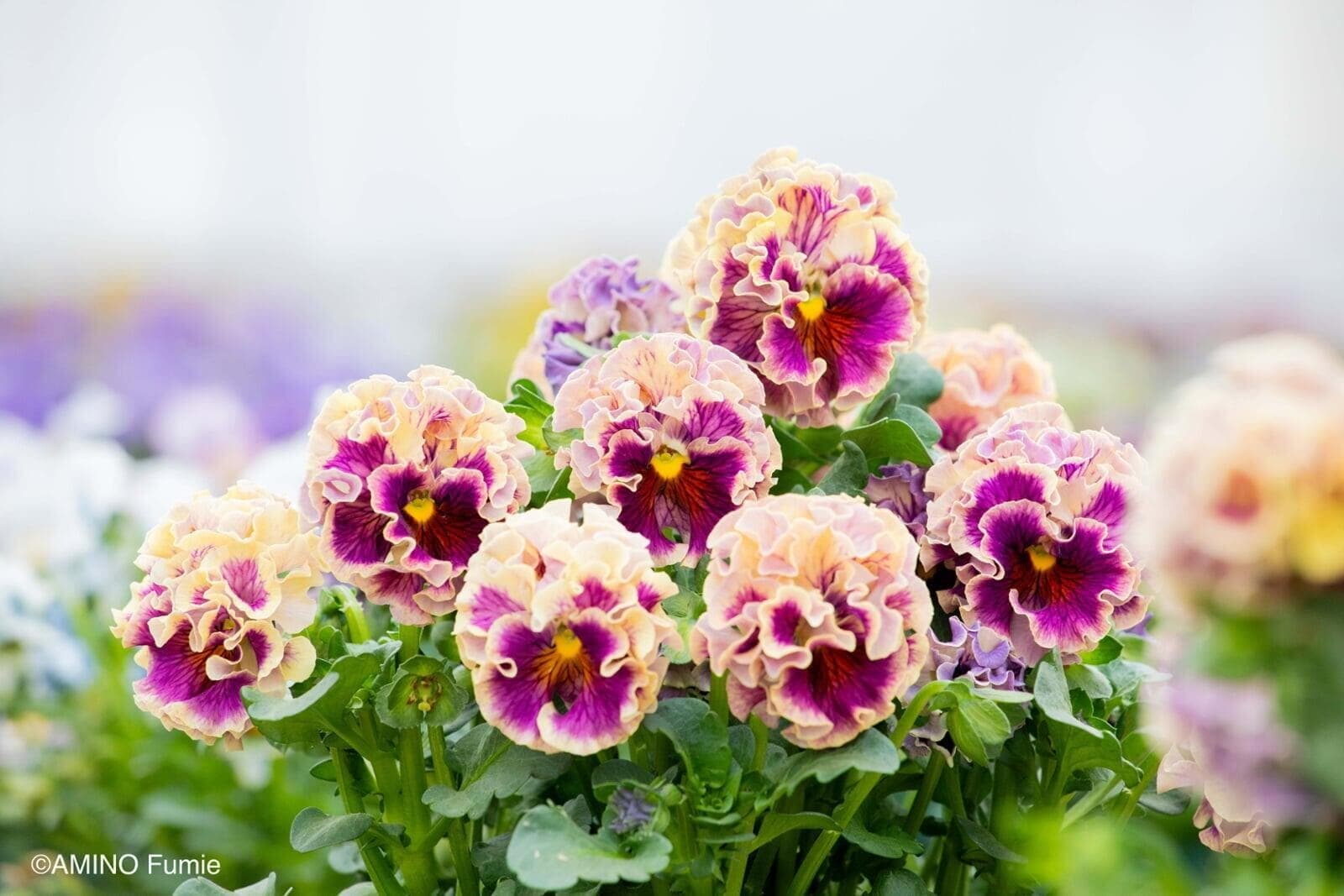
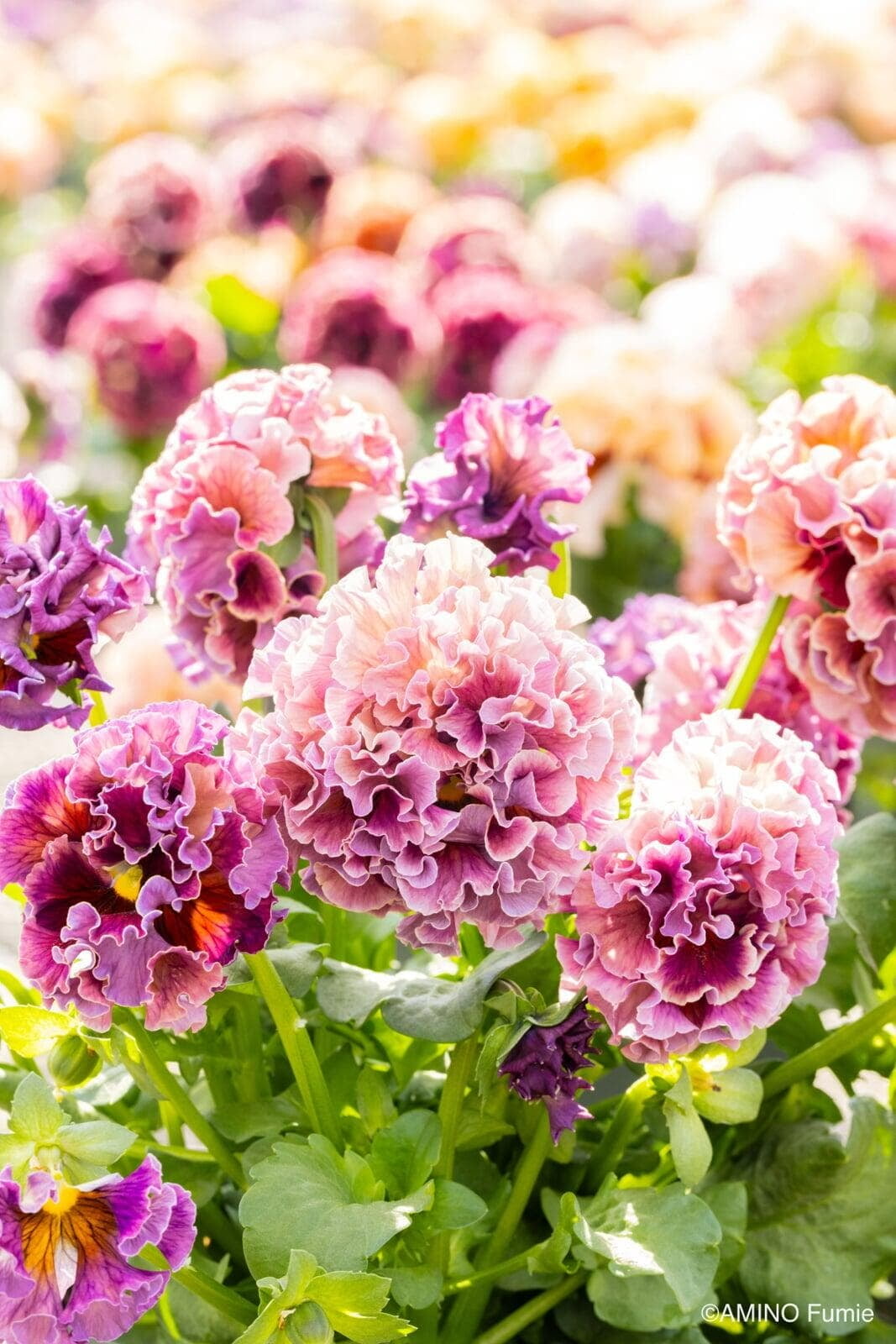
Somebody in Japan took a regular pansy and added about three times as many ruffles. Next spring, a limited crop is coming to Indiana garden centers.
The Story
It started with one strange pansy
Most people don't get particularly excited about a pansy. They're inexpensive, tough in cool weather, and one of the easiest ways to get color in early spring. But most of the varieties Americans see are variations on a familiar flower.
Isao Sato started his nursery in Japan in 1988. At some point in his greenhouse he noticed a pansy with unusually wavy petals. Instead of treating it as an oddball, he started selecting plants that expressed that trait more strongly. He kept doing it for about a decade.
Along the way he discovered something that matters a lot in Indiana: cool temperatures intensify the curling and deepen the colors. The weird spring weather we complain about is exactly what these plants want.
The shape of the flower itself was being selected and refined. That's why nothing else on the bench looks like these.
From One Odd Pansy to Indiana
How a Japanese pansy got to Indiana
One flower that didn’t look right, ten years of picking the wavy ones, and a Colorado connection that finally brought them here.
The route: ColoradothenJapanthenColoradothenIndiana
- 1
Chapter 1: The Beginning
1980s Colorado
An internship in the Rockies
A young Isao Sato interns at a greenhouse in Colorado.
1988 Japan
Sato Nursery opens
He returns home and opens Sato Nursery.
- 2
Chapter 2: The Discovery
Soon after Sato's greenhouse
One unusual flower
A pansy in his greenhouse develops unusually wavy petals. Instead of discarding it, Sato begins selecting for the trait.
The turning point
The next decade Japan
The ruffle takes shape
Years of selection stabilize the heavily ruffled, rounded flower form. Sato also discovers that cold temperatures intensify the curl.
Cold intensifies the curl
- 3
Chapter 3: The Journey to Indiana
2018 Japan
Robe de Antoinette goes on sale
The pastel Antoinette collection reaches Japanese garden centers.
2025 Colorado
Tagawa brings them to America
Tagawa Greenhouses partners with Sato and brings the Elegance pansies to the American market.
Spring 2027 in Indiana
A limited crop at Schlegel Greenhouse
Grown in Indiana for independent garden centers.
 Sold through independent Indiana garden centers
The Lineup
Three collections, one breeder
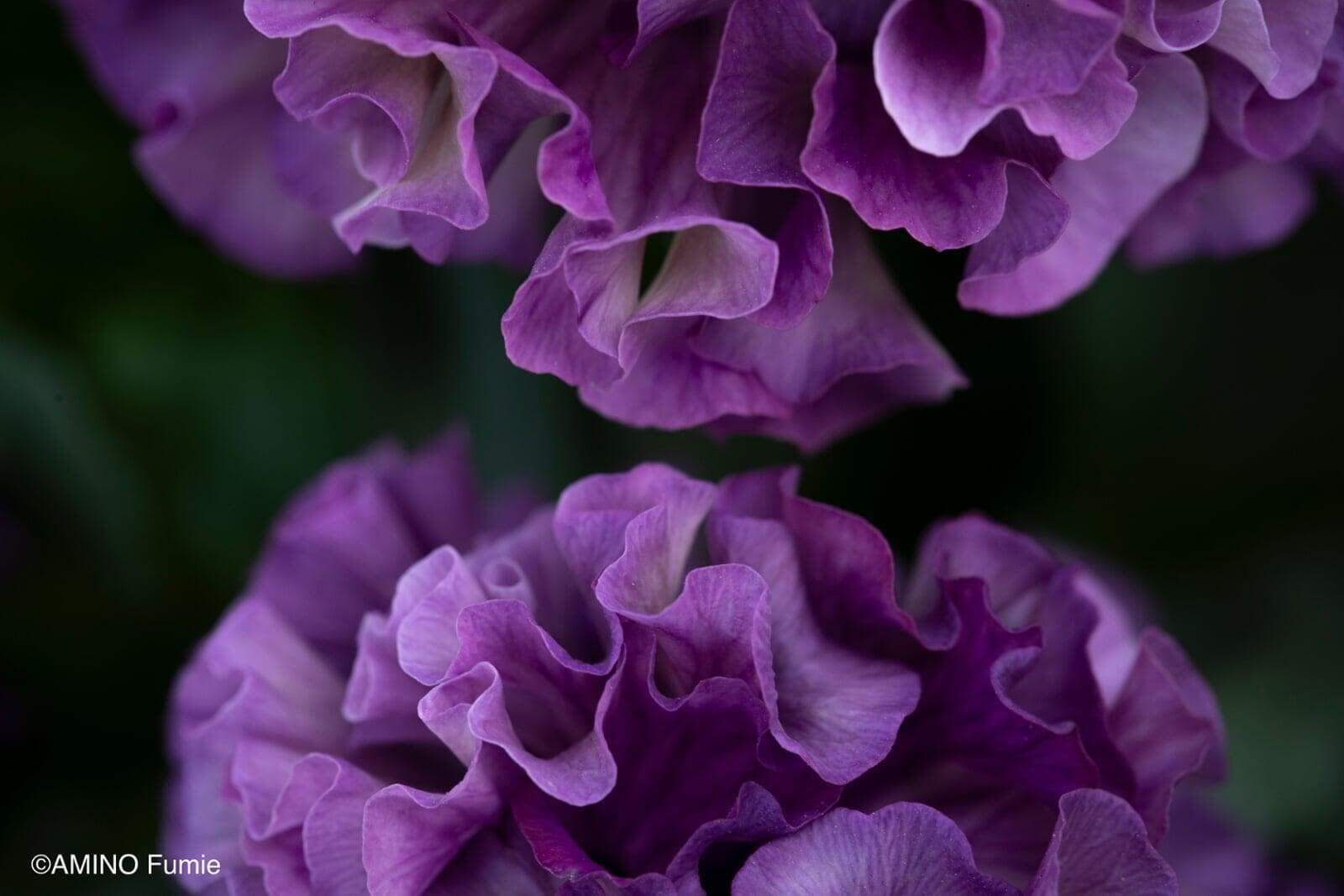
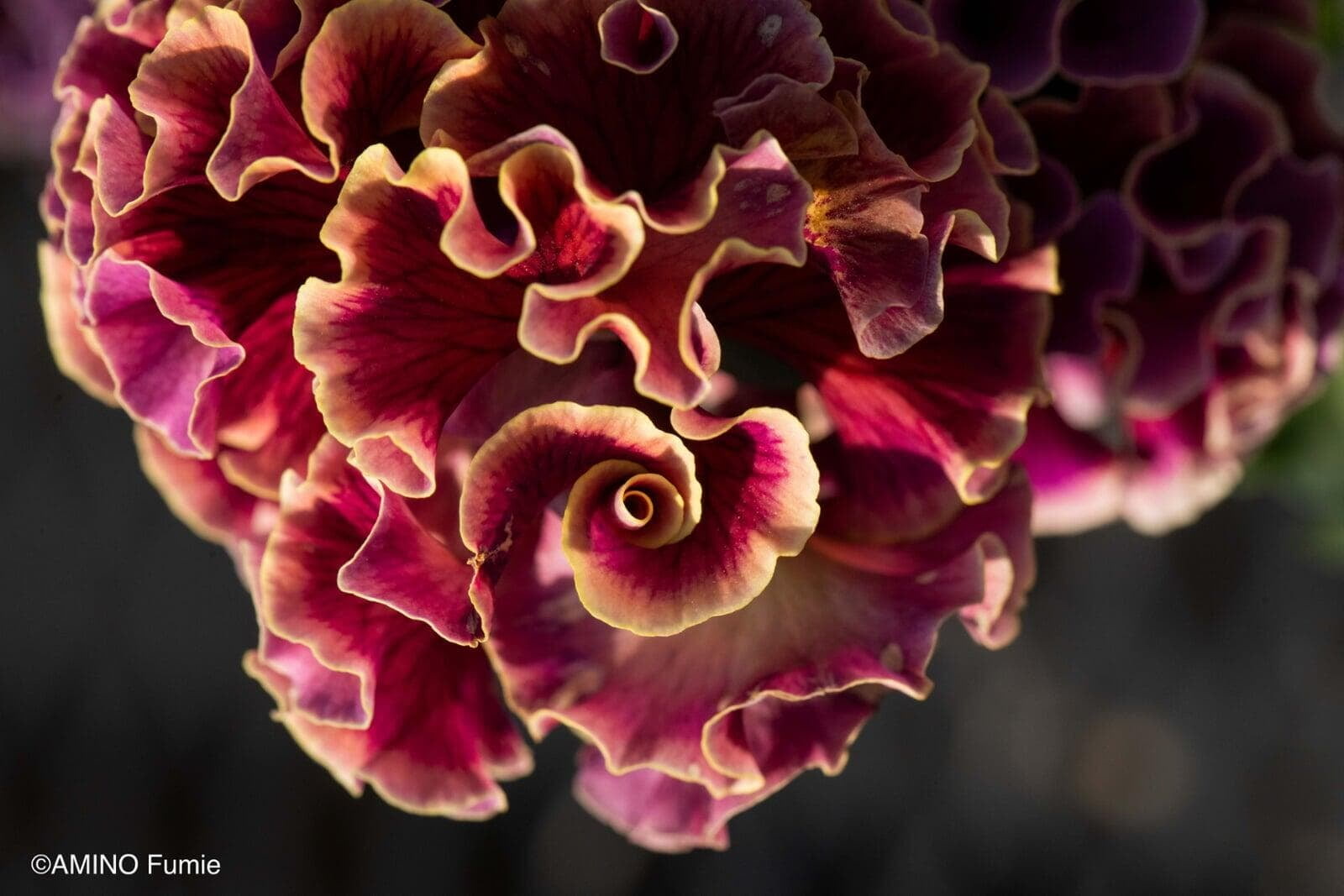
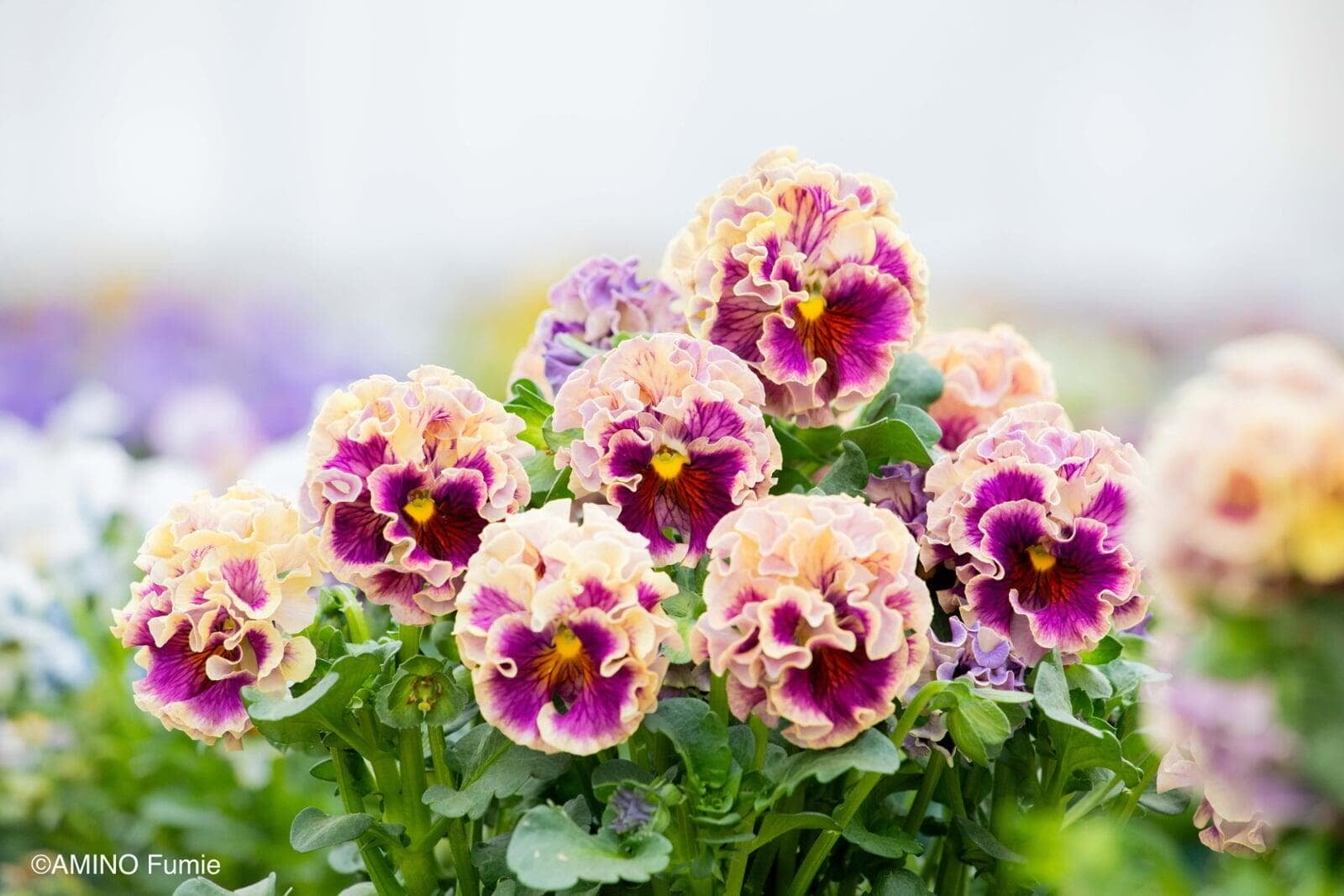
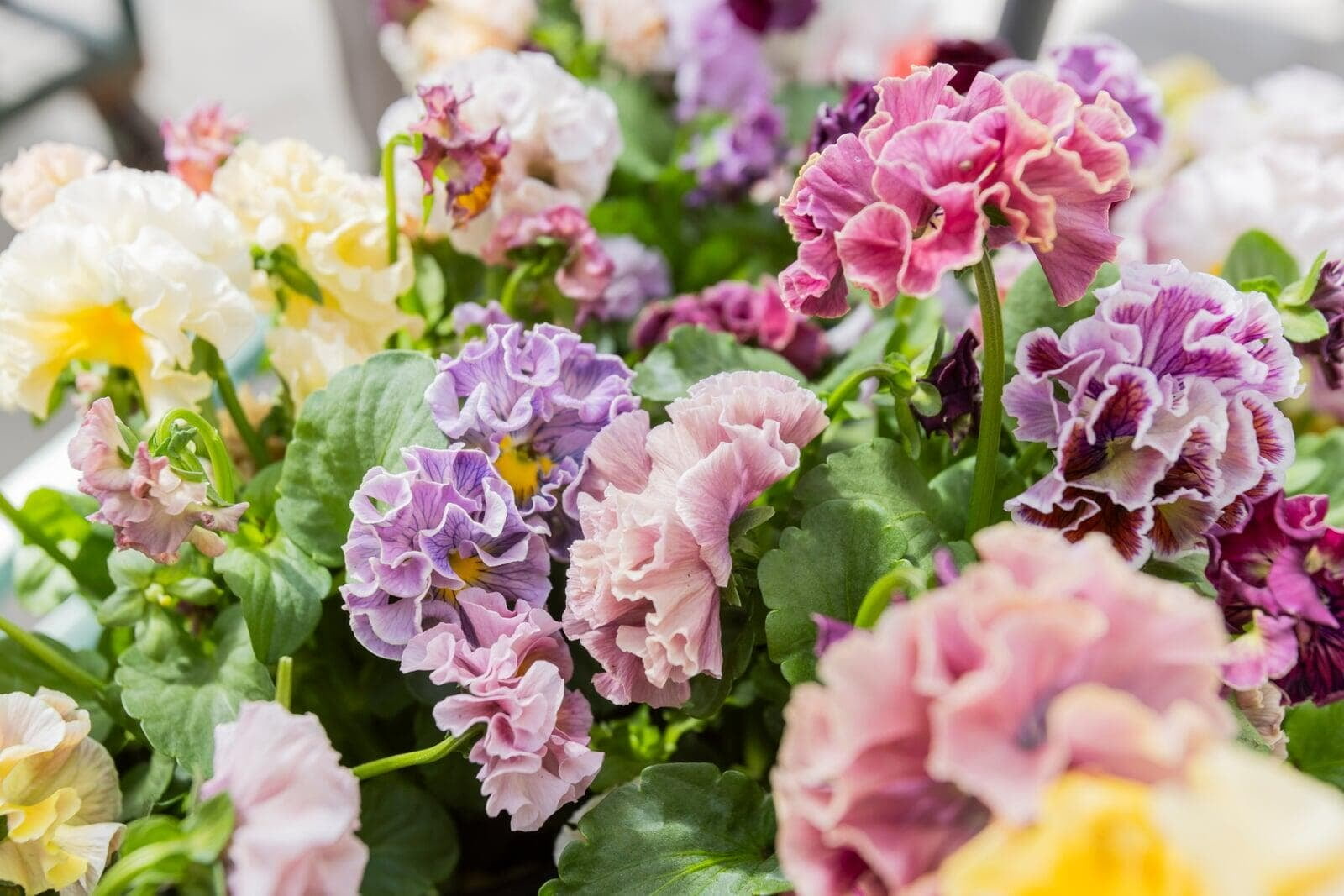
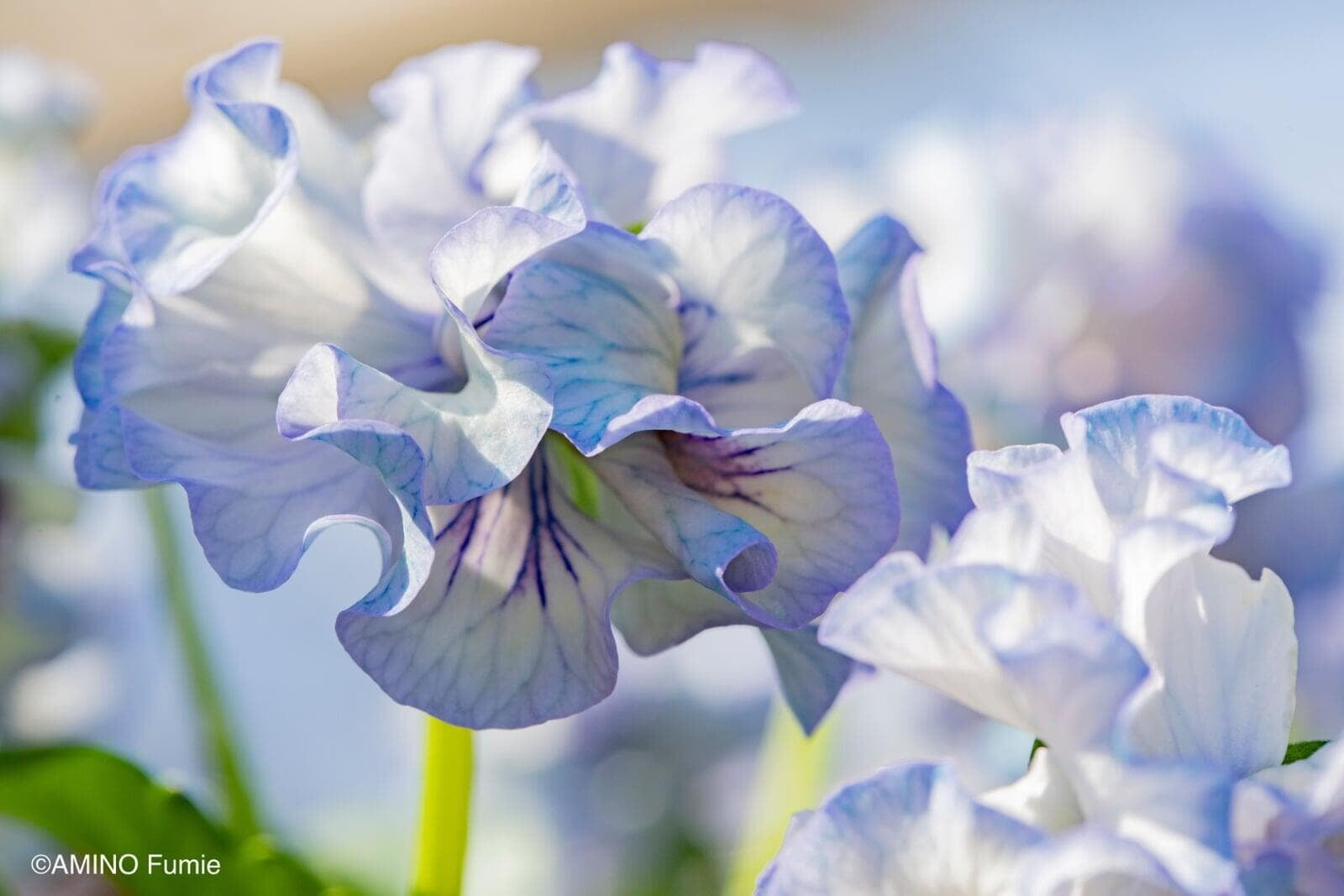
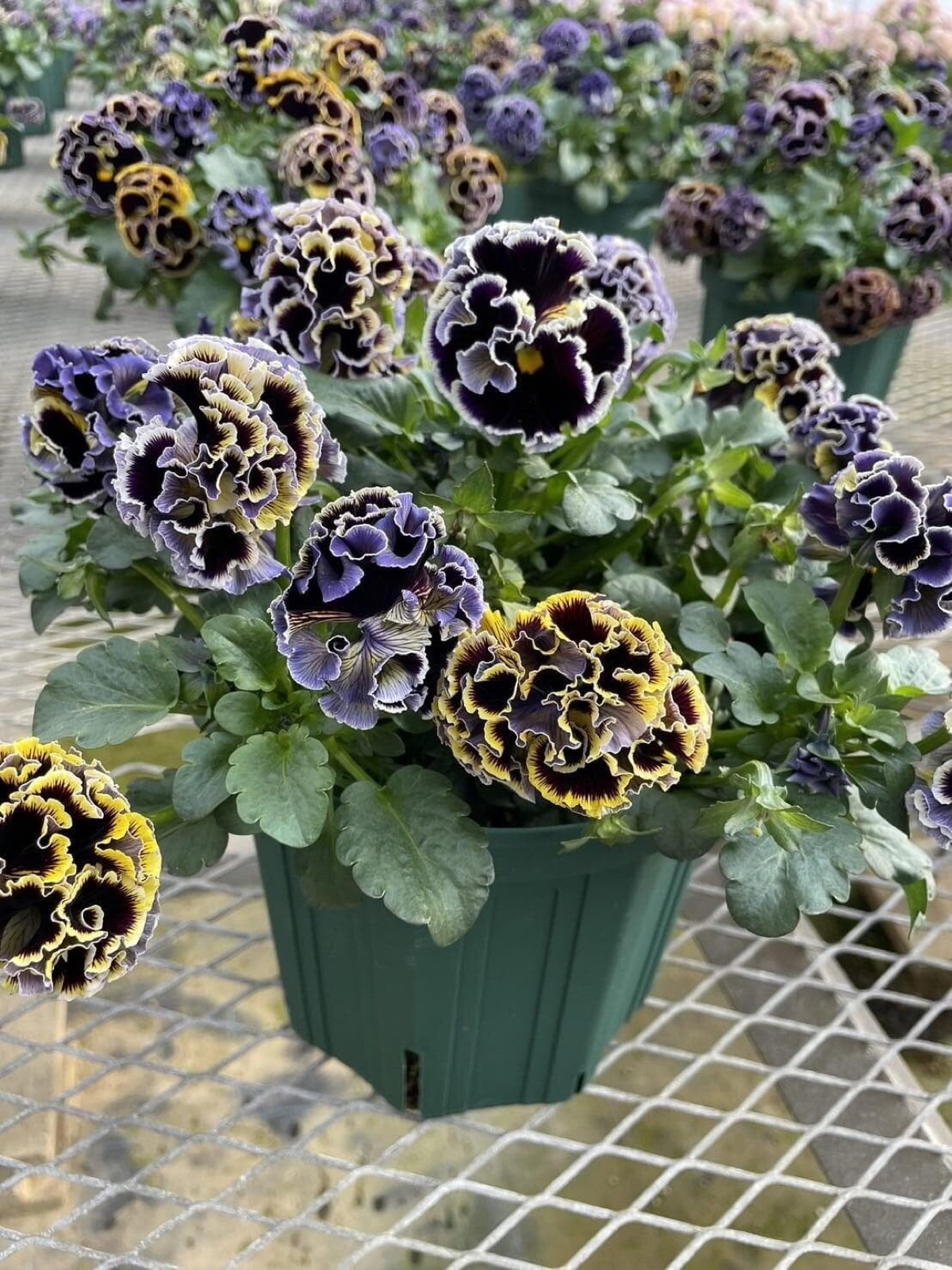
Three Elegance pansy collections with the full ruffle. Photos courtesy of Tagawa Greenhouses.
Elegance Pansies
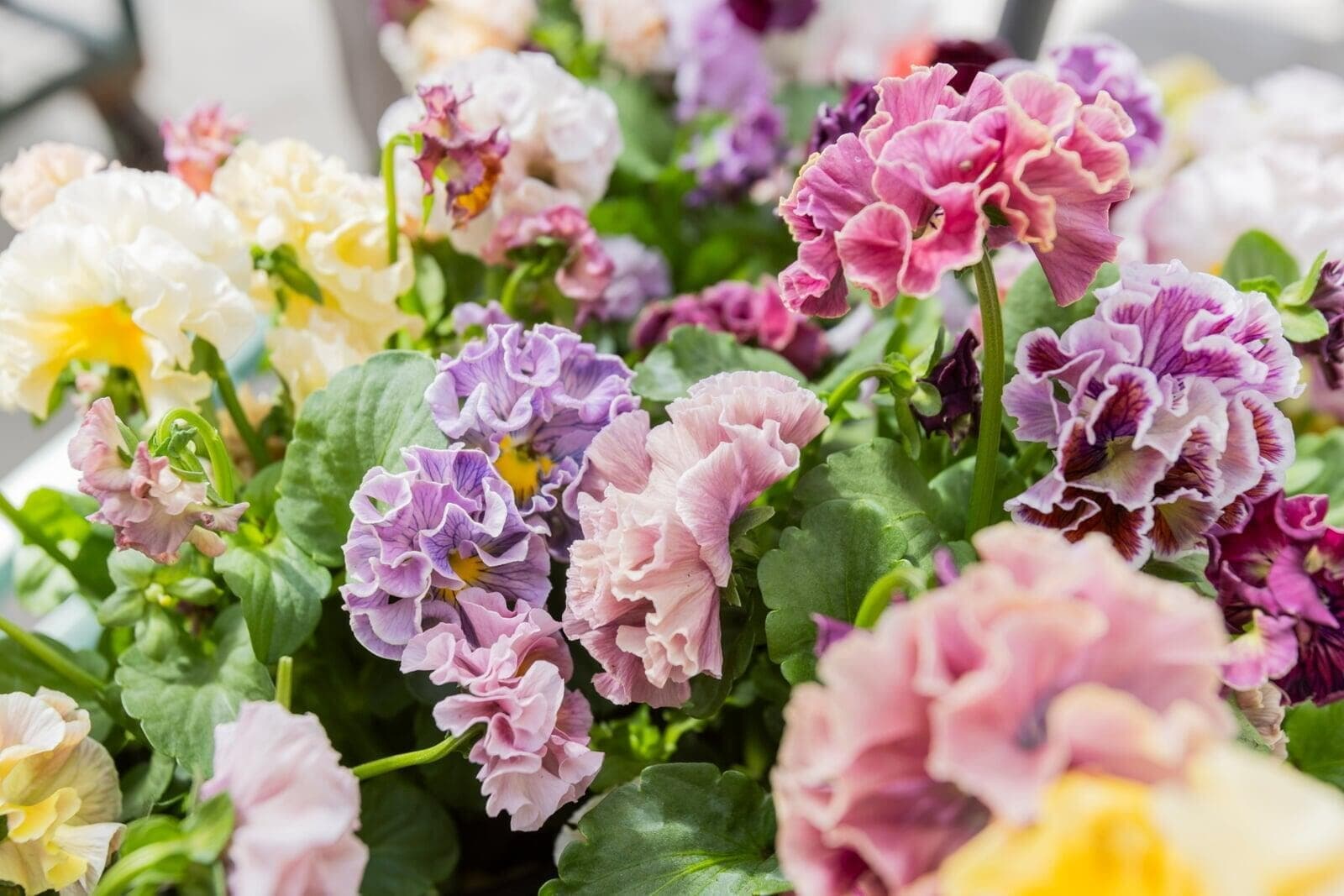
Antoinette Collection
Pastel perfection, named for Marie Antoinette's dresses.
Sato's best-known creation. Petals are so heavily ruffled that they curl inward and turn the whole flower nearly round. Soft peach, blush pink, lavender, cream and dusty rose, often two or three in one bloom, with no two flowers quite alike. Sold in Japan since 2018 and the collection that started it all.
Elegance Pansies
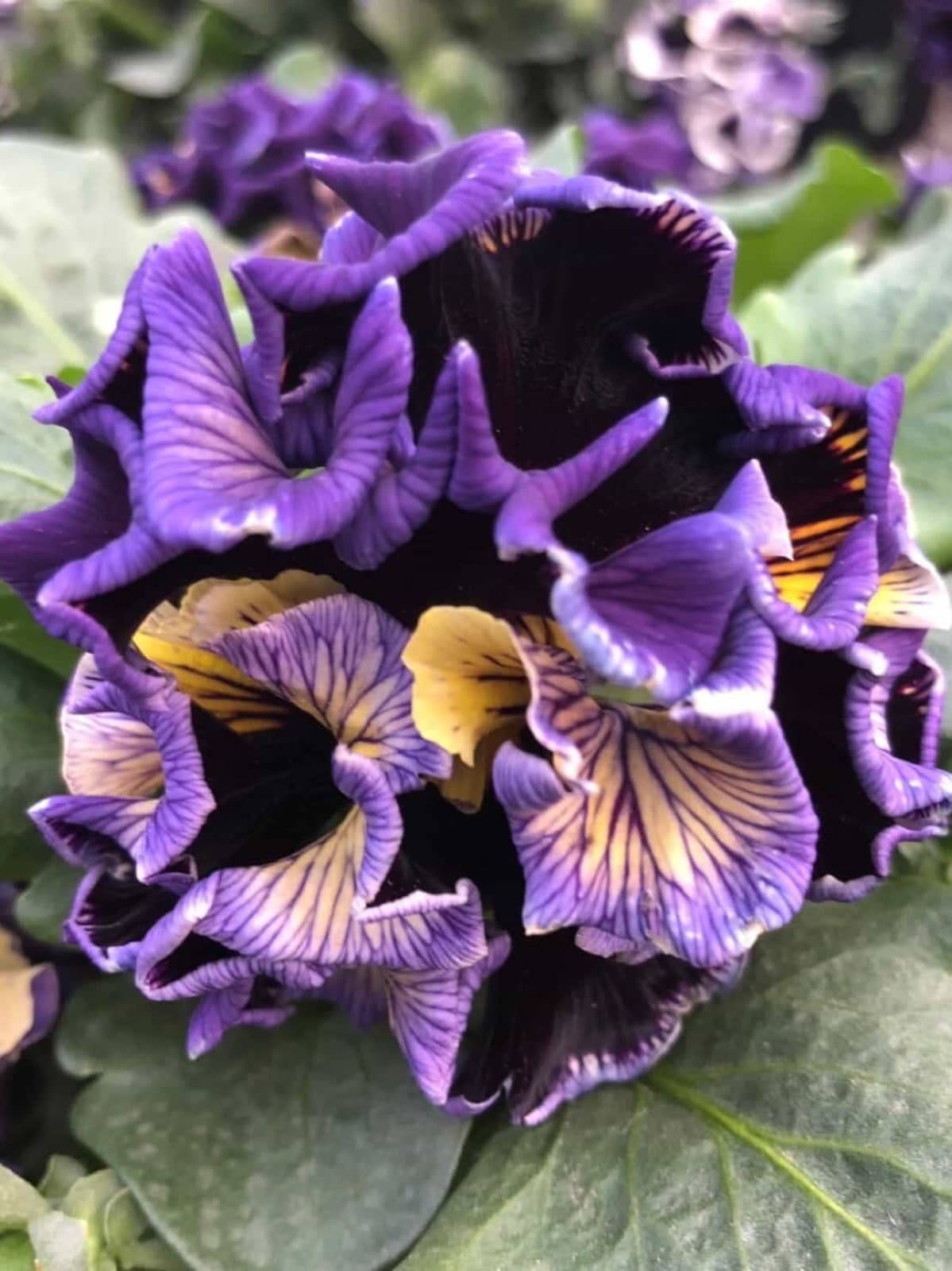
Twilight Collection
The darker side of the same ruffles.
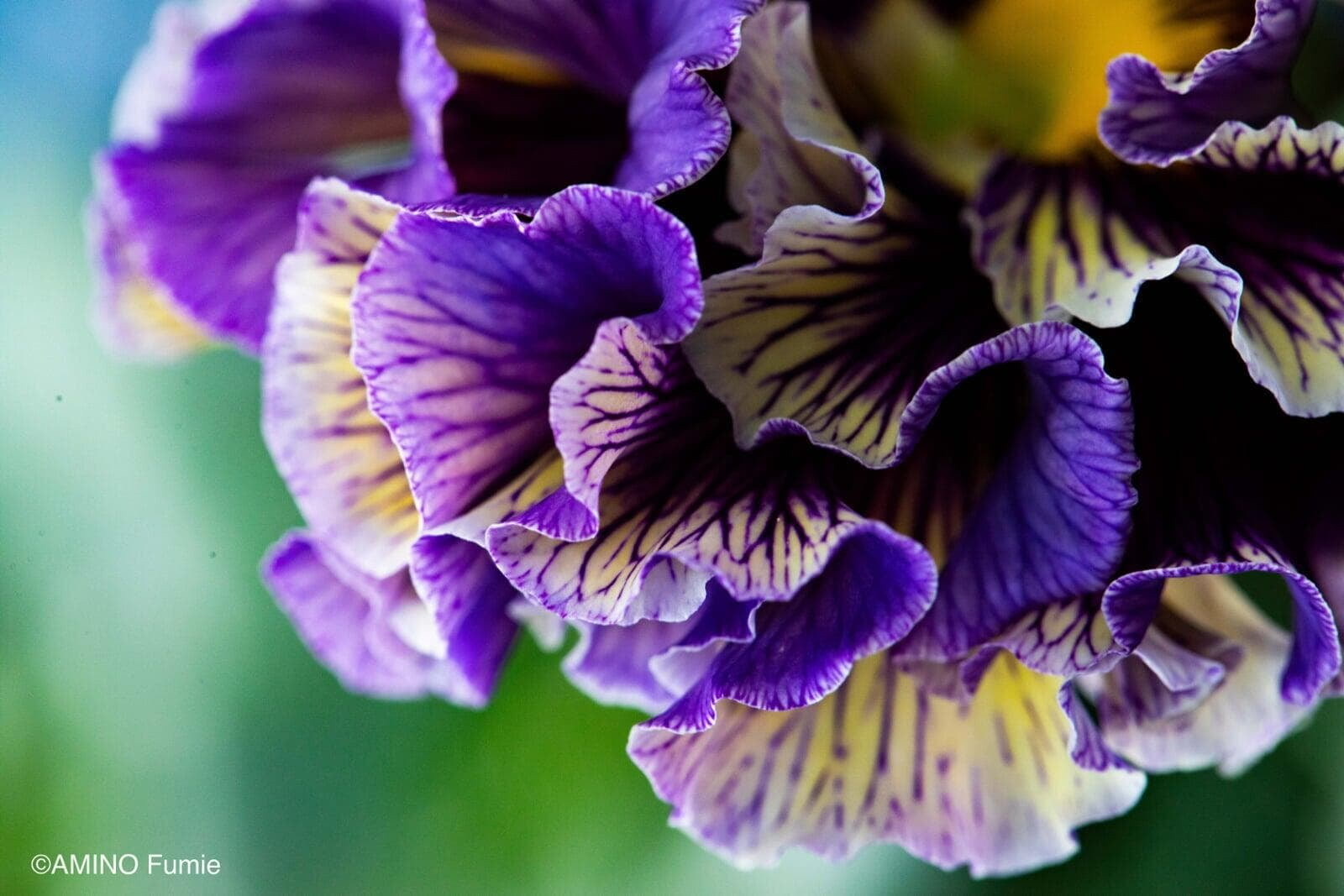
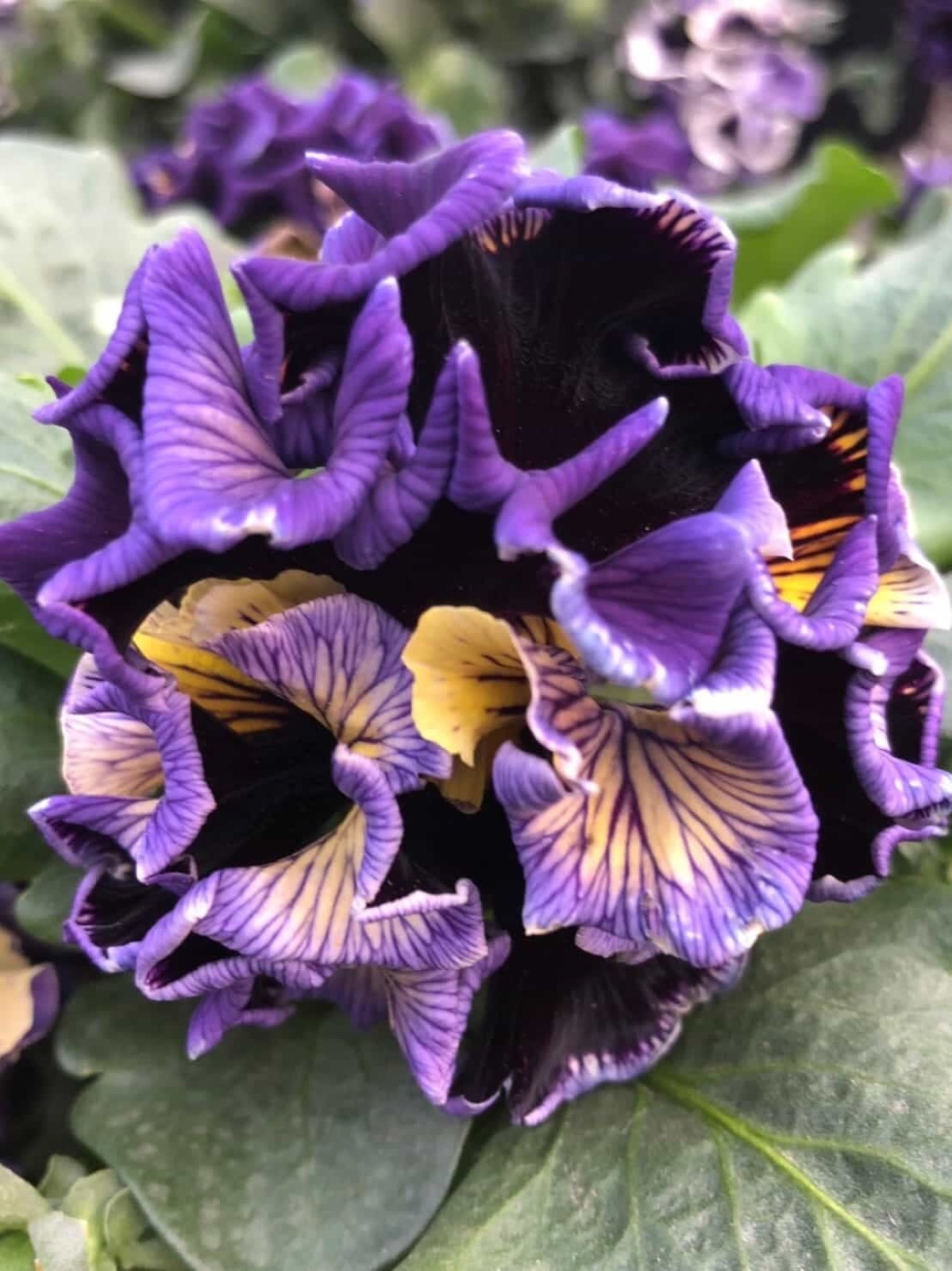
Same flower form as Antoinette, moodier palette. Deep wine, plum and violet with veining that runs to gold and cream at the edge. The one people stop and stare at in a mixed bench because it reads almost black from a distance and then opens up close.
Elegance Pansies
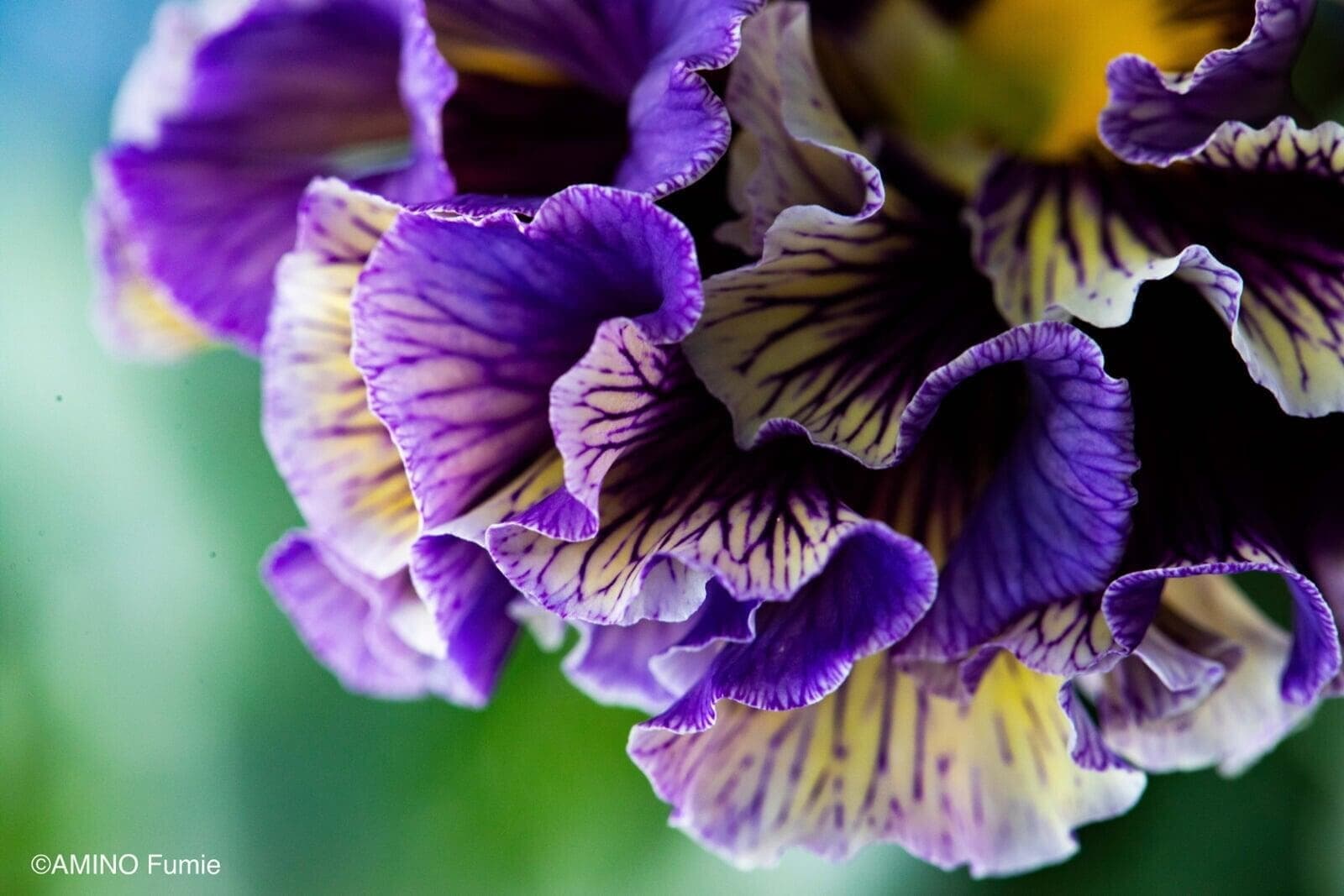
Dawn to Dusk
Blue and yellow in the same ruffled flower.
A two-tone that shifts with the light: purple-blue petals with a yellow throat and heavy veining, on a compact plant covered in bloom. Reads like a classic blue-and-yellow pansy that has been to finishing school.
Caleb's Take
Not a six-pack plant
Buy the plant, not the flat
These cost considerably more to produce than a conventional pansy, so they're sold as individual plants you choose because you want that particular one.
Put it where you'll see it
A pot by the door or along a path, at eye level if you can. A ruffled pansy is a plant you look at, not across. Don't bury it in a big planting where the flower form gets lost.
Let the cold do the work
Cooler nights deepen the color and tighten the ruffle. A cold snap in April is when these look their best, which is more than most spring plants can say.
Height 6–8 inches
Spread about 8 inches
Light Full sun to part sun
Want to know when they land?
The crop is limited and it will go to garden centers first. Newsletter readers hear about it before anyone else, including which stores are getting them.
Grow Like a Hoosier™
Get weekly growing tips, Indiana-specific advice, and new plant spotlights — straight from the Schlegel greenhouse.
Hoosier Boy plants are sold through independent garden centers, not online. Find a garden center near you
Read the full story in the growing guide: These Don't Look Like Normal Pansies