Plant Care
What To Do After Heavy Rain (And How to Get Your Plants Back Fast)

Sales Director & Design Expert · April 28, 2026
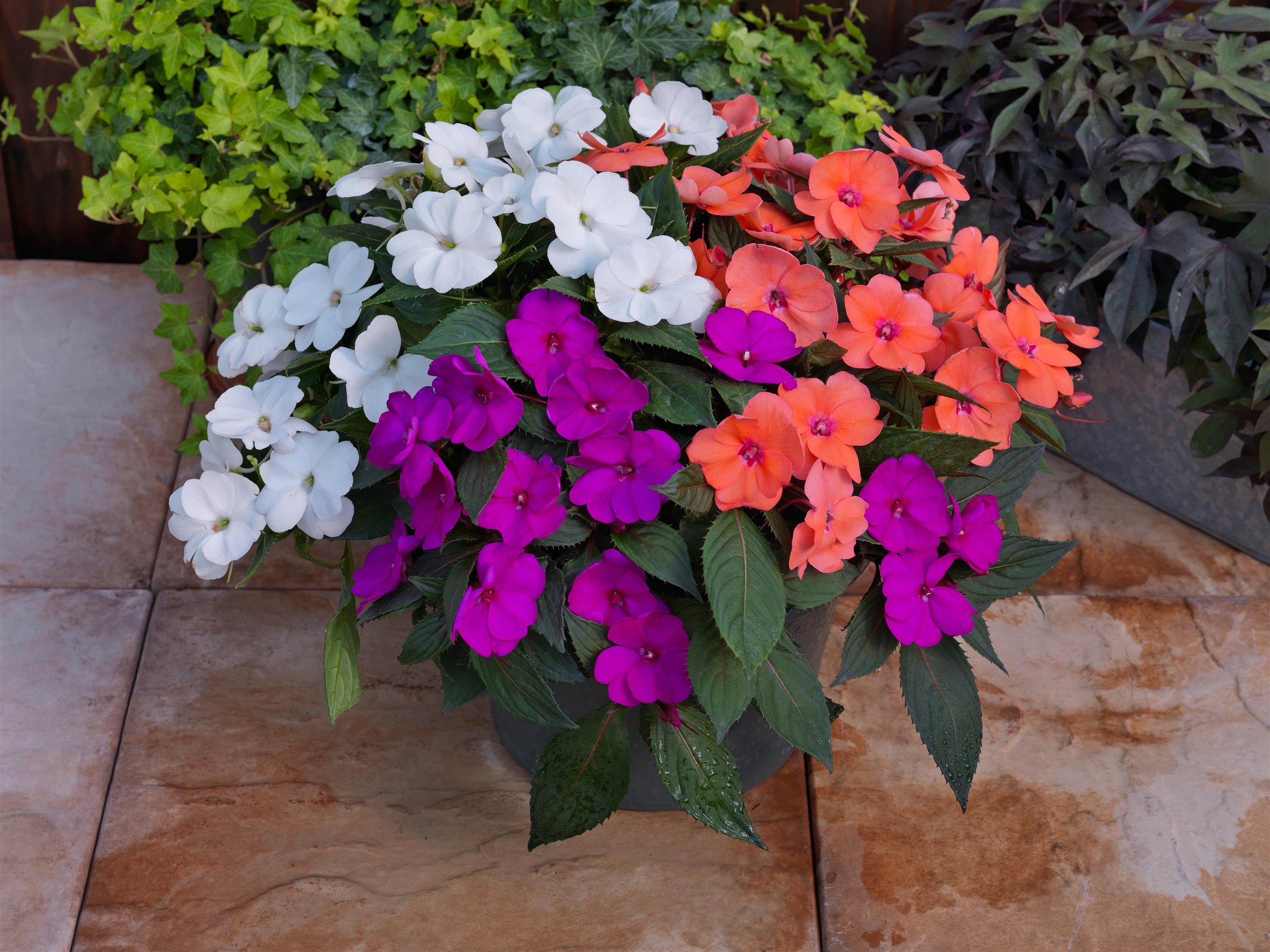
After a long stretch of rain, your plants might look rough. Blooms are spent, growth feels stalled, and everything looks tired. So what should you do?
Step 1: Clean Them Up
Remove damaged blooms. This:
- Improves appearance immediately
- Signals the plant to produce new flowers faster
Step 2: Open the Plant Up
If things look crowded or stressed, lightly cut the plant back. This:
- Improves airflow
- Reduces disease pressure
- Encourages fresh growth
Especially important if blooms are already being removed.
Step 3: Don’t Forget Fertilizer
This is the one most people miss. Rain doesn’t replace nutrients. Continue feeding weekly. Because if the plant isn’t fed:
- Recovery slows
- Blooming lags
Step 4: Let It Dry (A Little)
After extended rain:
- Roots need oxygen
- Soil needs to breathe
Don’t overwater just because it’s been wet.
How Long Does Recovery Take?
For most healthy plants: a few days to a week. You’ll start to see new growth, fresh blooms, and better structure.
Important Perspective
It’s very unlikely that rain alone completely ruins your plants. What it does is temporarily affect how they look.
The Real Takeaway
Rain doesn’t end your season. It just resets your plants. And how you respond determines how fast they bounce back.
Send this to a gardening friend

Hoosier Boy
Grow Like a Hoosier.
Gardening stories, growing advice, and conversations with the people behind the plants. Published by Schlegel Greenhouse in Indianapolis, Indiana.
More on plant care, every Friday
Three growing guides like this one and a short note from the greenhouse, free, once a week. Written for Indiana gardens.
Reference: Sakata Seed · Ball Seed · PanAmerican Seed grower guides · GrowerTalks · Purdue University Extension · Michigan State University Extension — Indiana gardening