 Industry News
What the Dümmen Orange and Syngenta Flowers Partnership Means
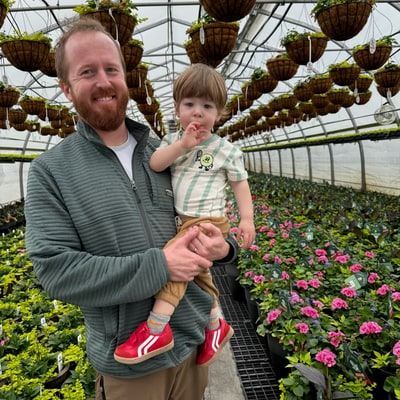
Owner, Schlegel Greenhouse · May 27, 2026
Recently, two of the largest names in ornamental horticulture announced an expanded partnership:
- ✓ Dümmen Orange
- ✓ Syngenta Flowers
For most gardeners, this sounds like industry news. But it affects a lot of the plants you grow every year.
Plants from These Breeders
From Syngenta, some of my favorites:
- ✓ Hot Blooded Red Lantana
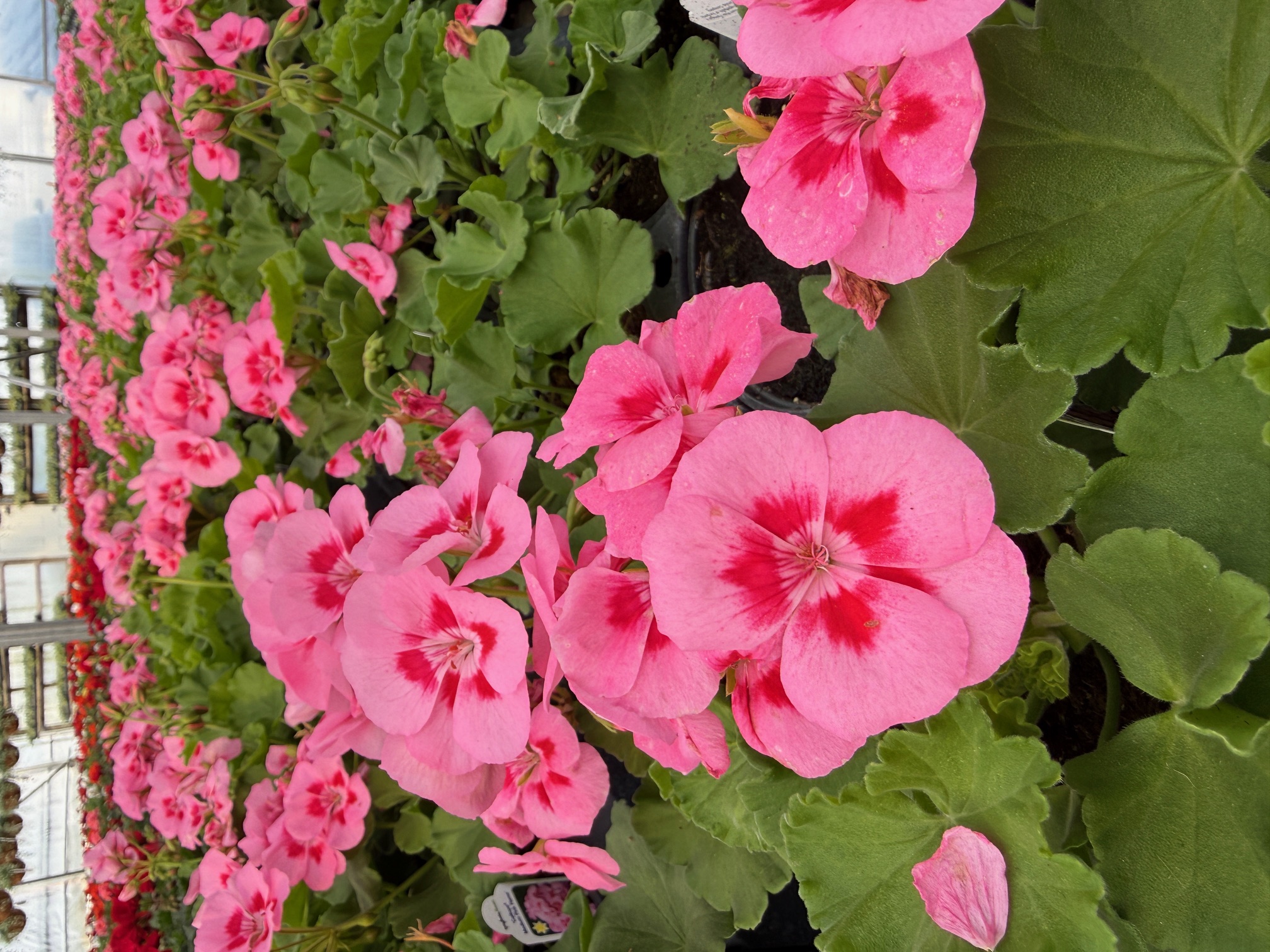
- ✓ Calliope Geraniums
- ✓ Various zinnia and marigold genetics
From Dümmen Orange, some of my favorites:
- ✓ Main Street Coleus
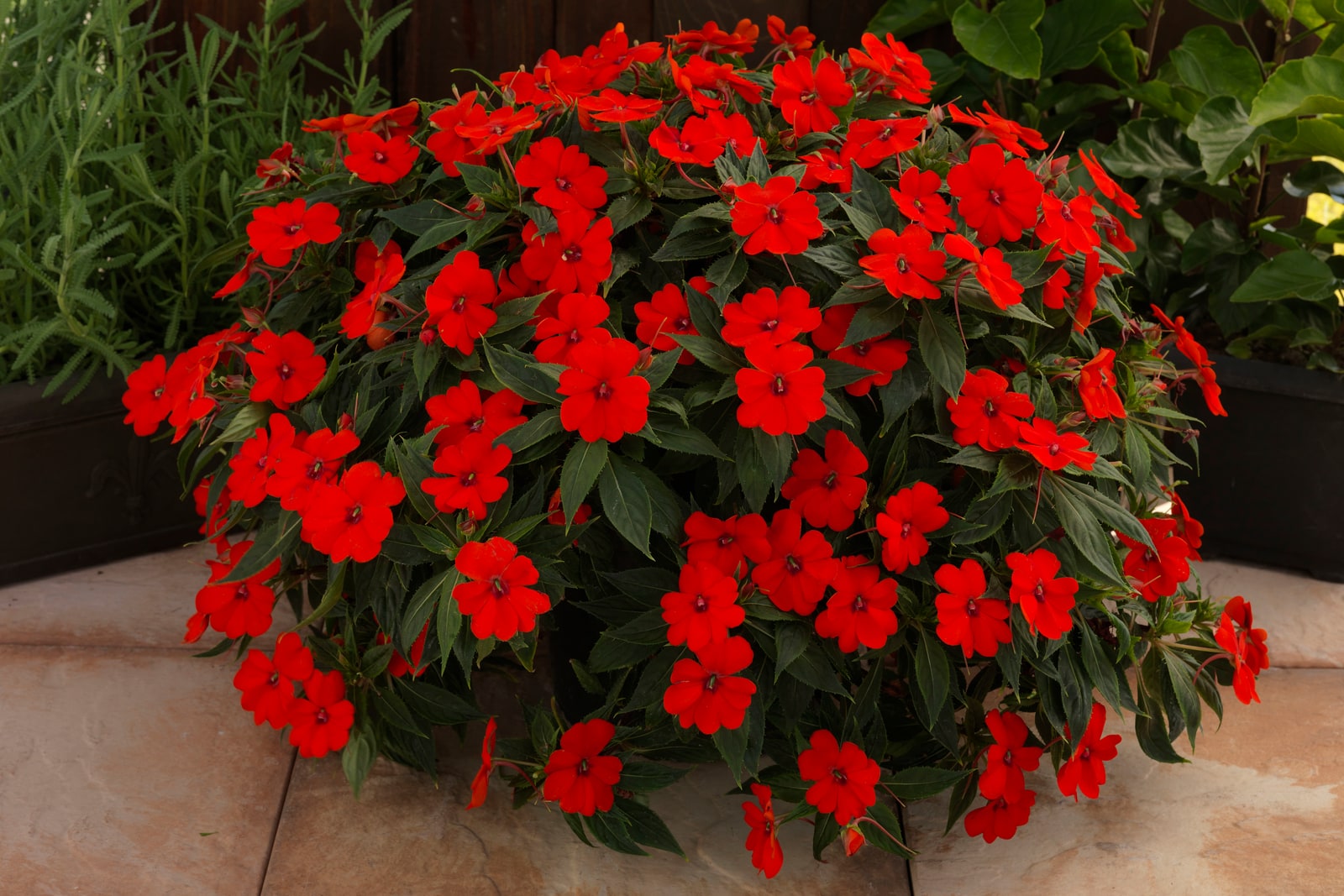
- ✓ Petticoat New Guinea Impatiens
- ✓ Ballerina Fuchsia
- ✓ Durabloom Petunias
What the Partnership Could Mean
The stated goal is to improve:
- ✓ Breeding efficiency
- ✓ Production consistency
- ✓ Availability of finished liners
- ✓ Access to genetics
For growers like me, that means:
- ✓ Better plant supply
- ✓ More reliable availability
- ✓ Faster introduction of new varieties
What It Means for Gardeners
The plants themselves aren’t changing overnight. But collaborations like this help ensure:
- ✓ Better-performing varieties
- ✓ Improved disease resistance
- ✓ More unique colors
- ✓ Better availability at garden centers
A lot of the plants people love today are the result of decades of breeding work from companies like these.
Hoosier Tip
The next time you fall for a variety at the garden center, flip the tag. The breeder name (Dümmen Orange, Syngenta, Ball, Selecta, etc.) is a quick way to find sibling varieties bred from the same program — usually with similar performance traits and reliability.
More on industry news, every Friday
Three growing guides like this one and a short note from the greenhouse, free, once a week. Written for Indiana gardens.
Reference: National Weather Service, Purdue University Extension, Ball Seed industry reports — Indiana gardening resources