Plant Spotlights
Shamrock™ Lantana: The Master Grower’s Guide to the Perfect Filler
Head of Operations, Schlegel Greenhouse · April 13, 2026
Shamrock™ Lantana is one of those plants that rewards you for leaving it alone. It’s heat-tough, drought-tolerant, and blooms nonstop from May through hard frost. Here’s how to get the absolute most out of it — straight from the grower’s bench to your garden.
The Sun-Drenched Rule
Lantana is the one plant you cannot over-sun. If it’s not getting 6–8 hours of direct light, it won’t perform. Period. More sun equals more blooms.
- ✓ This is not a plant for a shaded porch
- ✓ Put it where the sun hits hardest — south-facing, west-facing, reflected heat off concrete
- ✓ That’s where Shamrock thrives
Watering Logic — “Water to Establish, Then Let It Work”
For the first 2 weeks after planting, water regularly to establish the root system. Once the roots hit the bottom of the pot, back off.
- ✓ Lantana is genuinely drought-tolerant
- ✓ Overwatering is the #1 way people kill lantana
- ✓ Let the soil dry between waterings
- ✓ In containers during July heat, you may need to water daily — but in the ground, once established, it handles dry spells easily
Sterile Genetics — Why It Never Stops Blooming
Old-school lantanas produced berries. When a plant sets seed, it slows down flower production because its energy goes to reproduction. Shamrock is sterile — it can’t produce berries. So it does the only thing it knows how: bloom.
- ✓ Nonstop flowering from May through hard frost
- ✓ No deadheading needed
- ✓ No berry cleanup
- ✓ Just continuous color
The “Hoosier Secret” — The July Haircut
Shamrock doesn’t need deadheading. But here’s what the pros know: if you give it a light trim — about 1/3 off the top — in mid-July, you’ll trigger a massive flush of new growth and blooms for August and September.
- ✓ It’s like hitting a reset button
- ✓ The plant comes back fuller, denser, and covered in flowers
- ✓ Right when everything else is starting to fade
Feeding
Moderate feeder. Don’t overthink it.
- ✓ A balanced fertilizer (20-20-20 or similar) every 2–3 weeks keeps it performing
- ✓ Don’t overfeed — Lantana responds to sun more than fertilizer
- ✓ If it’s not blooming, it’s a light problem, not a food problem
The Pollinator Connection
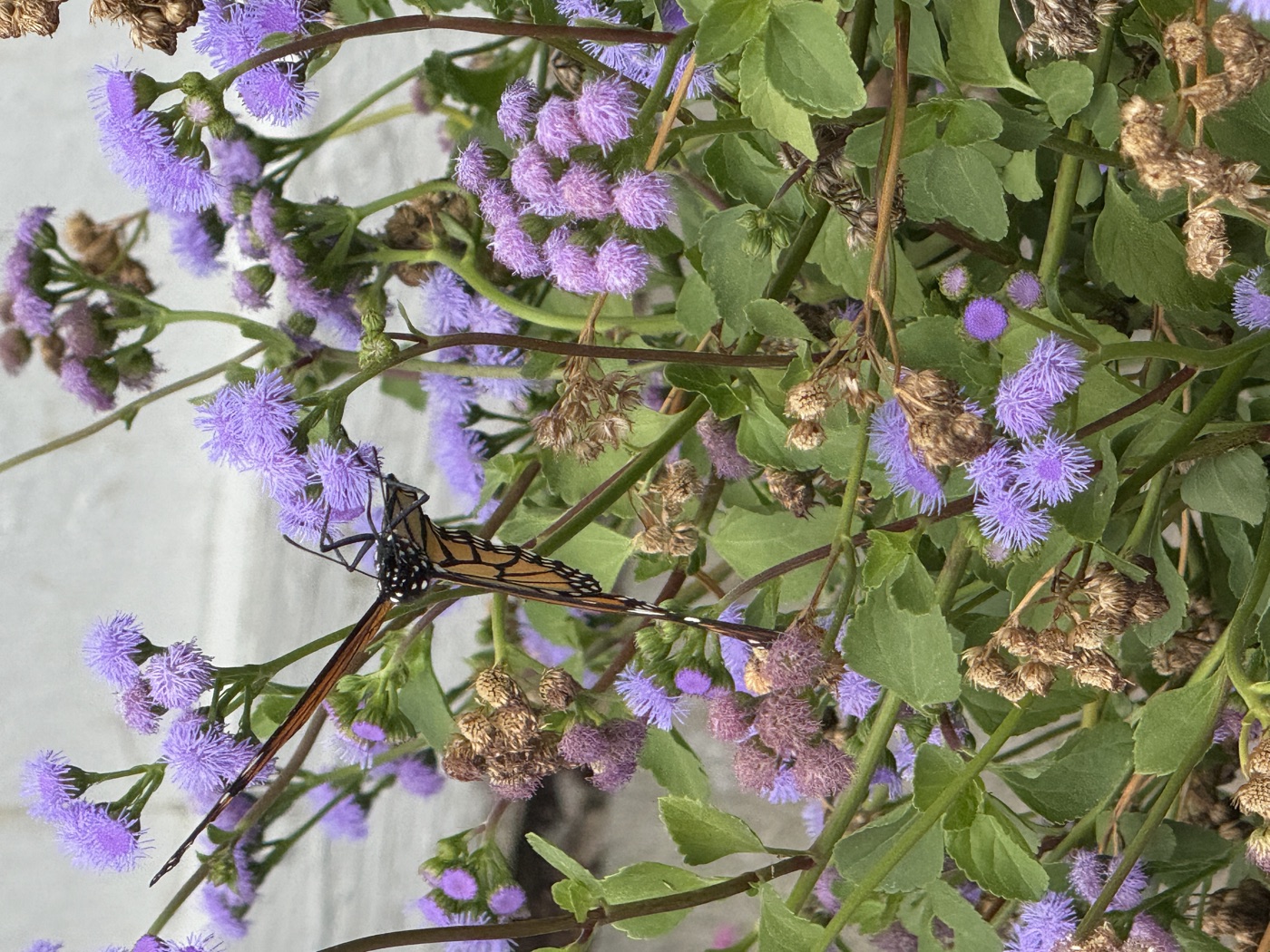
Shamrock Lantana is one of the most effective pollinator plants you can grow. Butterflies — monarchs, swallowtails, painted ladies — are drawn to the nectar-rich flower clusters.
- ✓ If you want butterflies on your porch, plant Shamrock in full sun and wait
- ✓ They’ll find it
Hoosier Tip
Shamrock is the one plant we tell people to stop worrying about. Full sun. Let it dry out. Don’t fuss with it. The less you baby it, the better it performs. It’s the closest thing to a bulletproof annual we grow.
More on plant spotlights, every Friday
Three growing guides like this one and a short note from the greenhouse, free, once a week. Written for Indiana gardens.
Reference: Ball FloraPlant · Texas A&M AgriLife Extension · National Garden Bureau Year of the Lantana