 Plant Spotlights
Fuchsia: One of the Most Unique Plants Ever Brought to the Garden

Sales Director & Design Expert · April 20, 2026
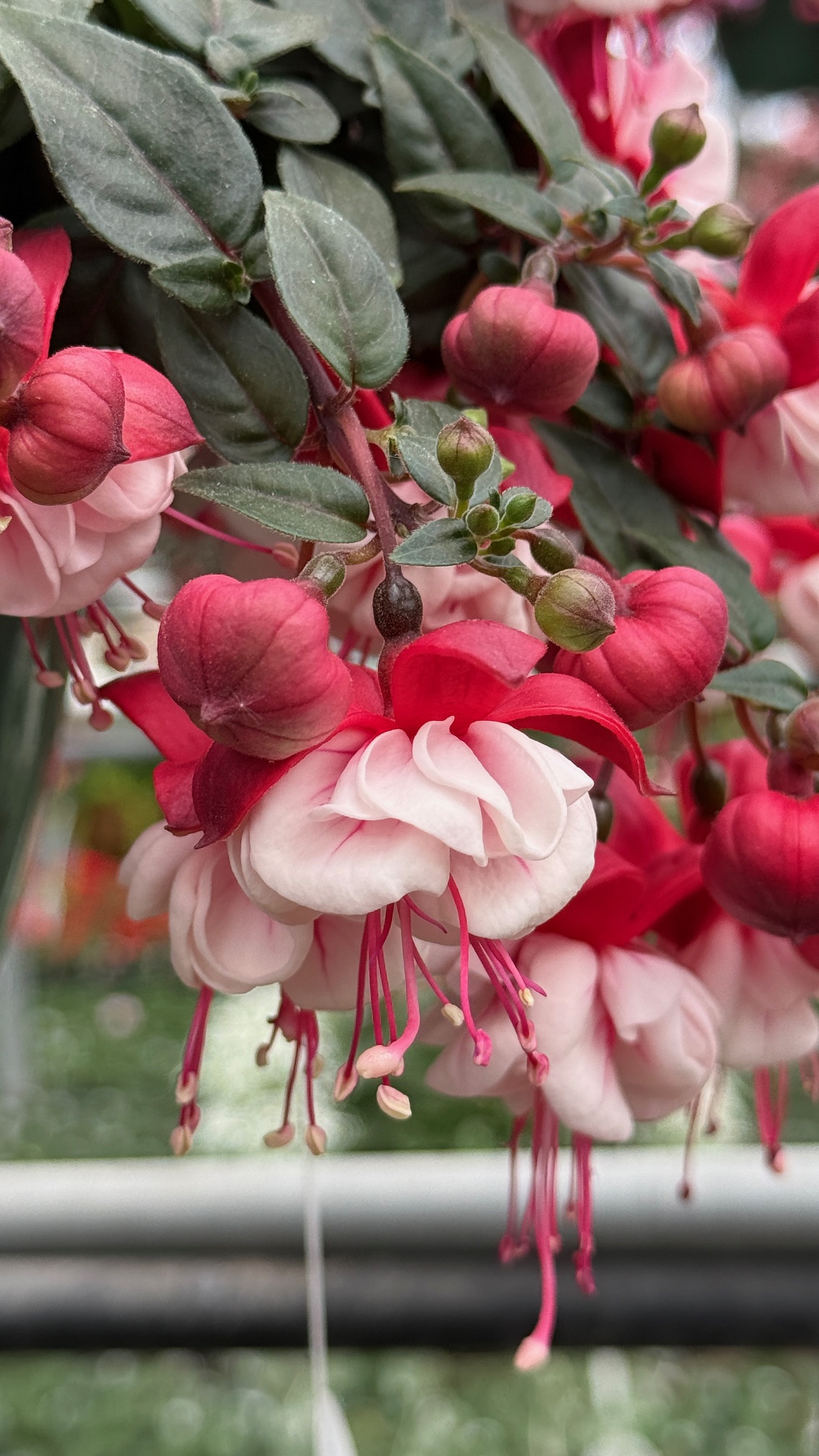
Fuchsia is one of those plants that almost doesn’t look real. Hanging, two-toned flowers. Perfect symmetry. Movement in the breeze. It feels like something that was designed — not grown.
But the story behind it is even better.
Where Fuchsia Came From
Fuchsia isn’t native to Indiana. Not even close. Most species come from Central and South America, with a handful native to New Zealand and Tahiti.
They were first documented in the late 1600s by a French botanist and named after Leonhart Fuchs, one of the early figures in plant science. By the late 1700s, they were being brought into Europe — and that’s when things really took off.
The Explosion of Varieties
Once growers got their hands on fuchsia, they started crossing them. By the mid-1800s, there were already hundreds of varieties in cultivation.
That’s why today you see names like:
- ✓ White Eyes
- ✓ Blue Eyes
- ✓ Dollar Princess
- ✓ Marinka
These aren’t wild plants anymore. They’re the result of generations of breeding for larger flowers, better branching, hanging habits, and more consistent bloom.
Why People Love Them (And Always Have)
Fuchsias became popular for one simple reason: they don’t look like anything else.
- ✓ The flowers hang instead of face up
- ✓ The colors are layered
- ✓ They move with the wind
They almost look alive in a different way than other plants.
But There’s a Catch
Fuchsias didn’t become popular because they were easy. They became popular because they were worth it.
Even today, they require more attention than most annuals. And that’s where most people struggle.
The Real Takeaway
Fuchsia isn’t just another plant. It’s:
- ✓ A product of centuries of breeding
- ✓ A plant designed for beauty, not toughness
- ✓ Something that rewards people who pay attention
Which is why when you see a really good one — you notice it immediately.
Hoosier Tip
If you’ve ever felt drawn to a fuchsia on an impulse, that’s three hundred years of breeding working on you. That reaction is the plant doing its job.
More on plant spotlights, every Friday
Three growing guides like this one and a short note from the greenhouse, free, once a week. Written for Indiana gardens.
Reference: Purdue University Extension — Indiana gardening resources / Dümmen Orange / Syngenta Flowers breeding notes