
Reading a Plant Page
What It Means to Be an AAS Winner
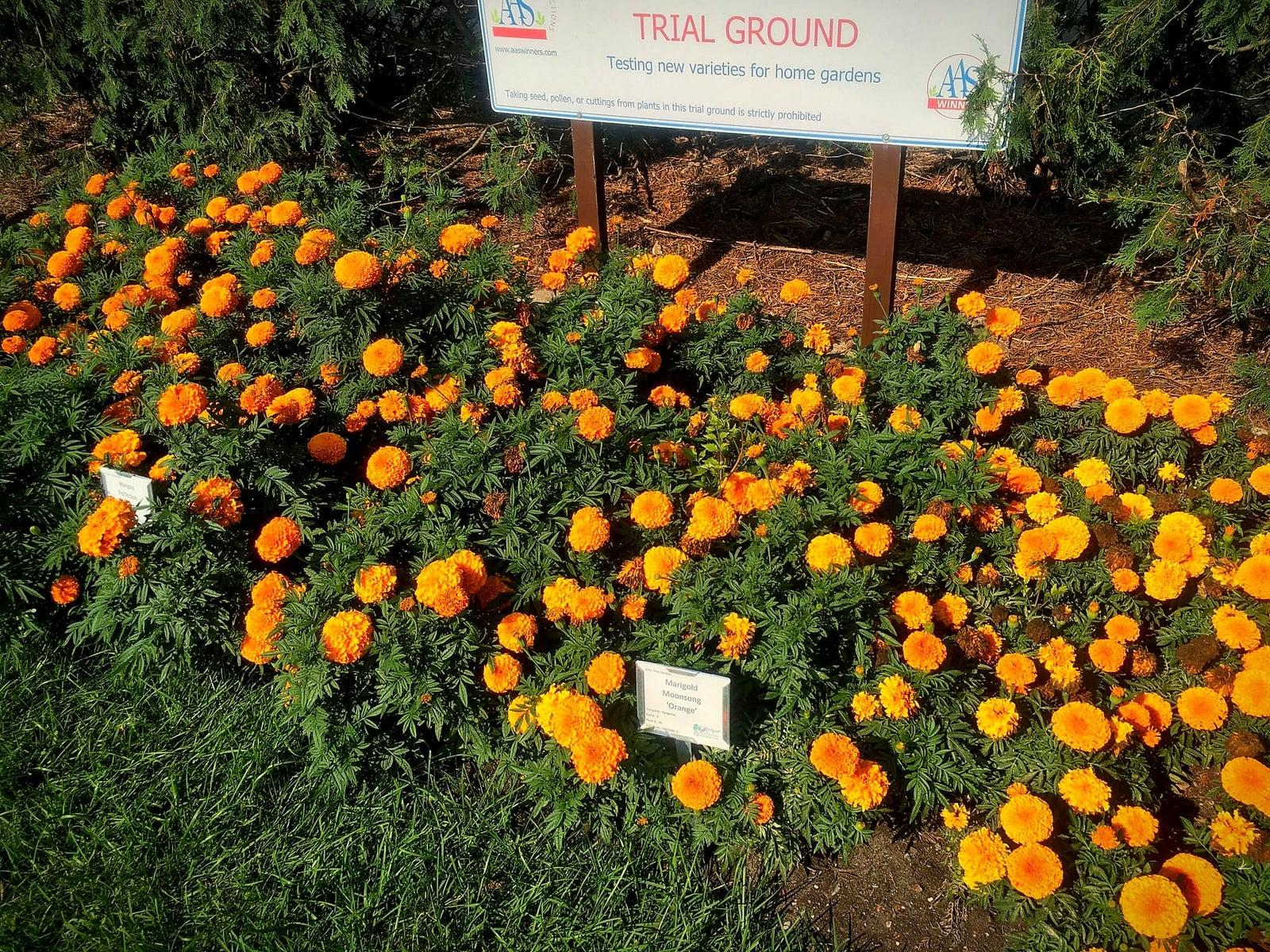
All-America Selections has been testing new flowers and vegetables since 1932. It doesn't ask whether a plant is good. It asks whether the plant is better than what gardeners can already buy, and very few entries clear that bar.
How It Works
Judged Against the Plants Already Sold
All-America Selections is a nonprofit, the oldest independent plant trialing organization in North America. It has named winners every year since 1933.
Its test is a comparison. Each new entry is planted side by side with one or two varieties that are already on the market, the plants a new variety would have to beat.
Grown blind
Entries are known only by a code, so judges don't know whose plant they are scoring. A judge may not score entries from a company they have financial ties to.
Judged by volunteers
University staff, public garden staff, breeders, growers and extension educators judge at about 80 trial grounds across the United States and Canada.
Cared for like a home garden
Trial plants get about the same care an average home gardener would give them, and judges score them over the whole season.
The Bar
Three Ways to Win
Judges score on a five-point scale, where a 4 means above average and worthy of an award. To win, a plant needs high scores from many judges at many sites, not one great garden.
- National Winner
- Scores of 3.5 or higher from at least half of all the judges, across North America.
- Regional Winner
- Scores of 3.75 or higher from at least half of the judges in two or more of the six regions. A plant that shines in one part of the country but not everywhere.
- Gold Medal
- A score of 4 from three quarters of the judges. Kept for true breeding breakthroughs, which AAS says come along once or twice a decade.
Not the Same as a Trial Rating
Why So Few Plants Are AAS Winners
A trial garden's rating, the number out of 5 on many plant pages, measures how good a plant looked all season. Many plants earn a 4.5.
AAS asks a harder question: is it better than the best of what is already sold? A plant can be lovely and still not be an improvement, so it does not win.
Fewer plants are even in the running. A breeder pays to enter each variety, so not every new plant is entered, and a plant that was never entered can't win. In a recent year, AAS named two Gold Medals, a handful of National Winners and three Regional Winners.
In the Hoosier Boy Plant Library, 9 of 923 plants are AAS winners. That is the whole point of the award.
See Them in Indianapolis
The AAS Garden at the Indiana State Fairgrounds
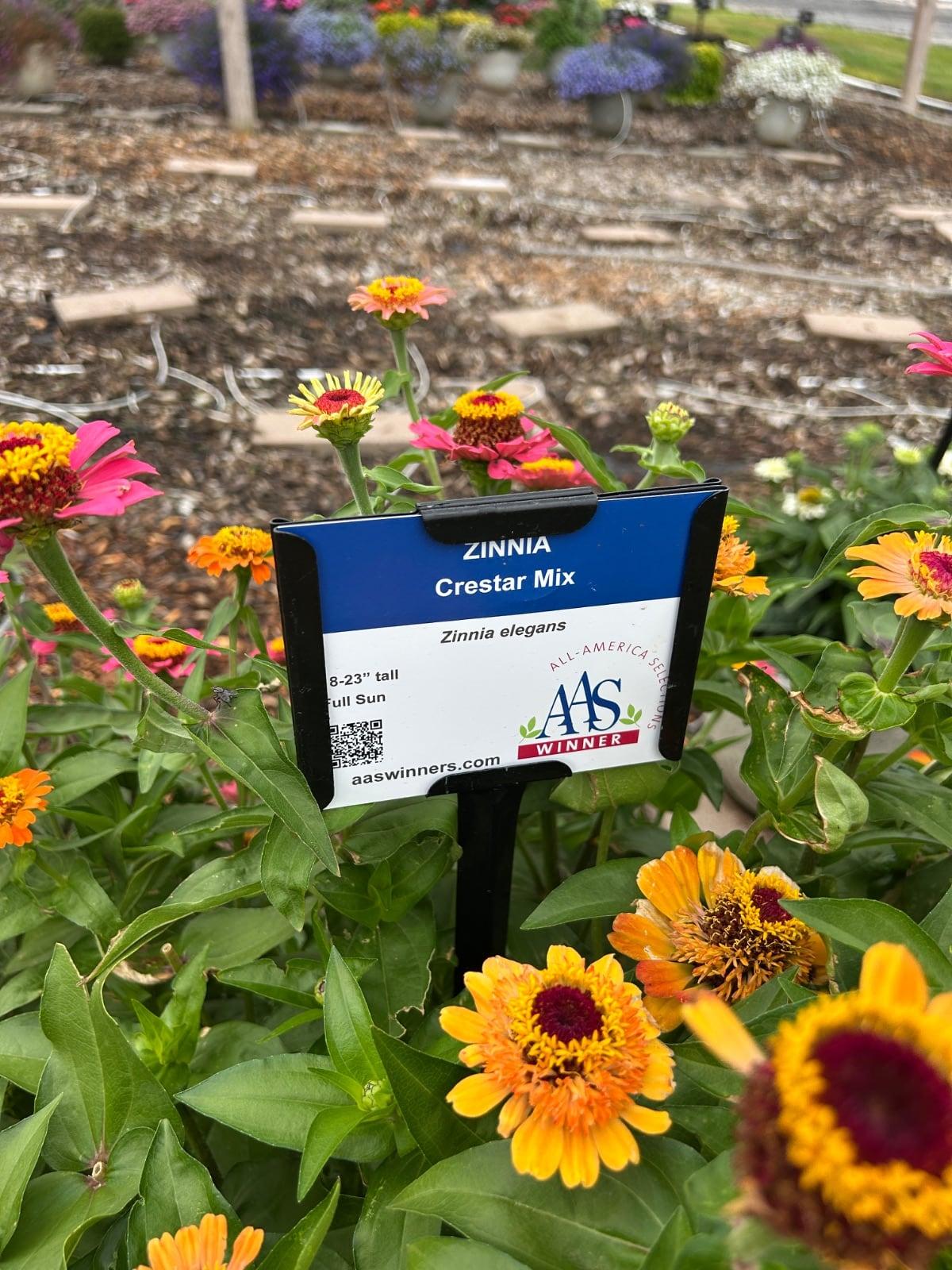
You can see AAS winners growing in Indianapolis. The Purdue Extension–Marion County Demonstration Garden, on the northwest side of the Indiana State Fairgrounds, has been an official All-America Selections Display Garden since 2013.
A display garden is where winners are shown off. Judging happens at the trial grounds; display gardens plant recent winners so visitors can see how they grow. Purdue Extension staff and Extension Master Gardener volunteers run the garden, and it grows flowers and vegetables. In 2026 it showed 95 AAS winners and gave nearly 1,000 pounds of produce to people in need.
It also does well in the AAS Landscape Design Challenge, a yearly contest among display gardens. It took first place in its category in 2025 and third place in 2026.
Visiting
- Indiana State Fairgrounds, 1202 E. 38th St., Indianapolis
- The northwest corner of the grounds, about 350 feet east of Discovery Hall
- Free to visit. Parking at the garden entrance is free except during the State Fair.
- It is a summer garden: the best time to go is midsummer into fall, including fair time in August.
In the Plant Library
AAS Winners You Can Grow
Every plant in the Hoosier Boy library that appears on the official AAS winners list, newest win first.
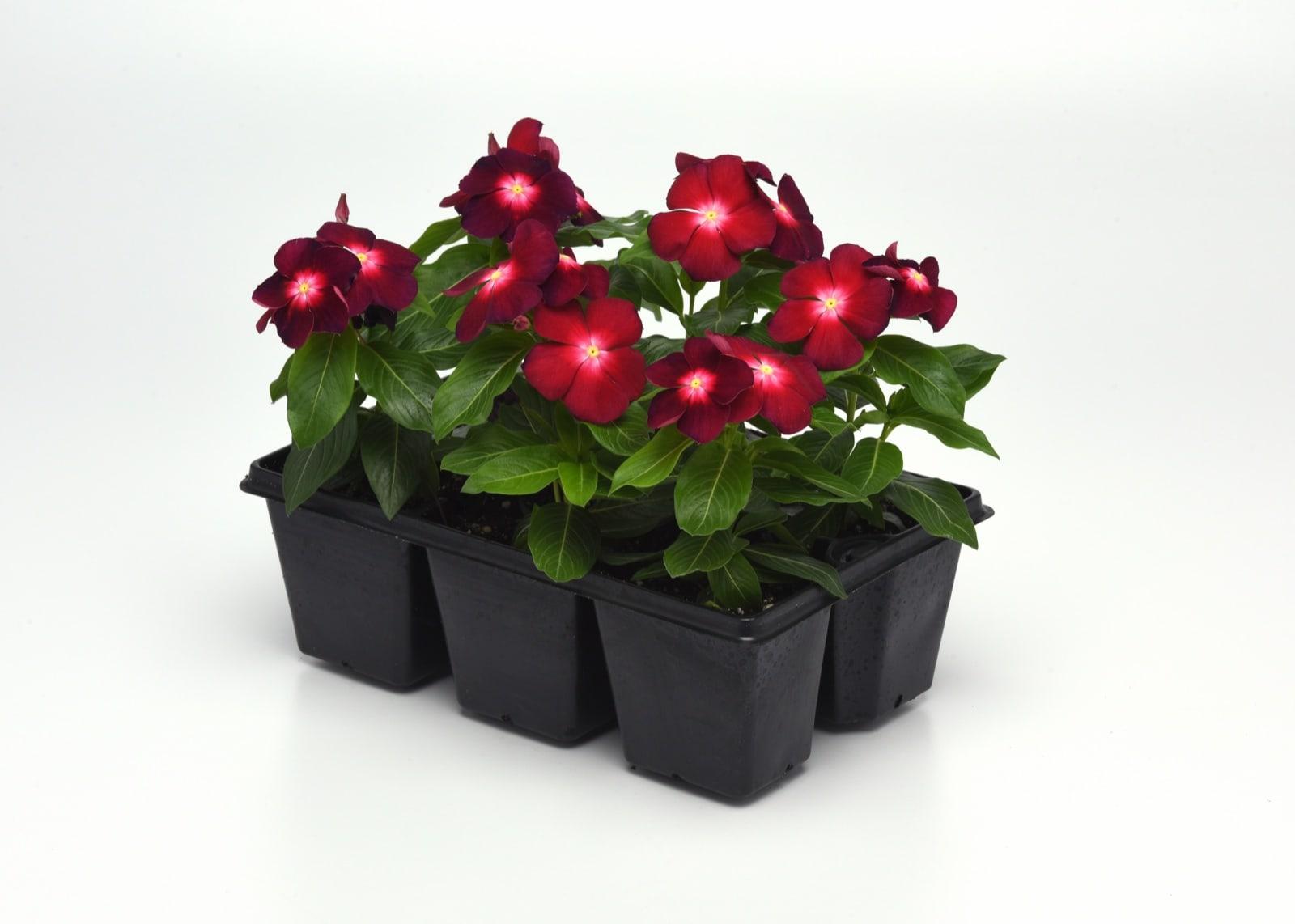
Vinca
Tattoo Boysenberry
AAS National Winner 2027
Full SunFiller
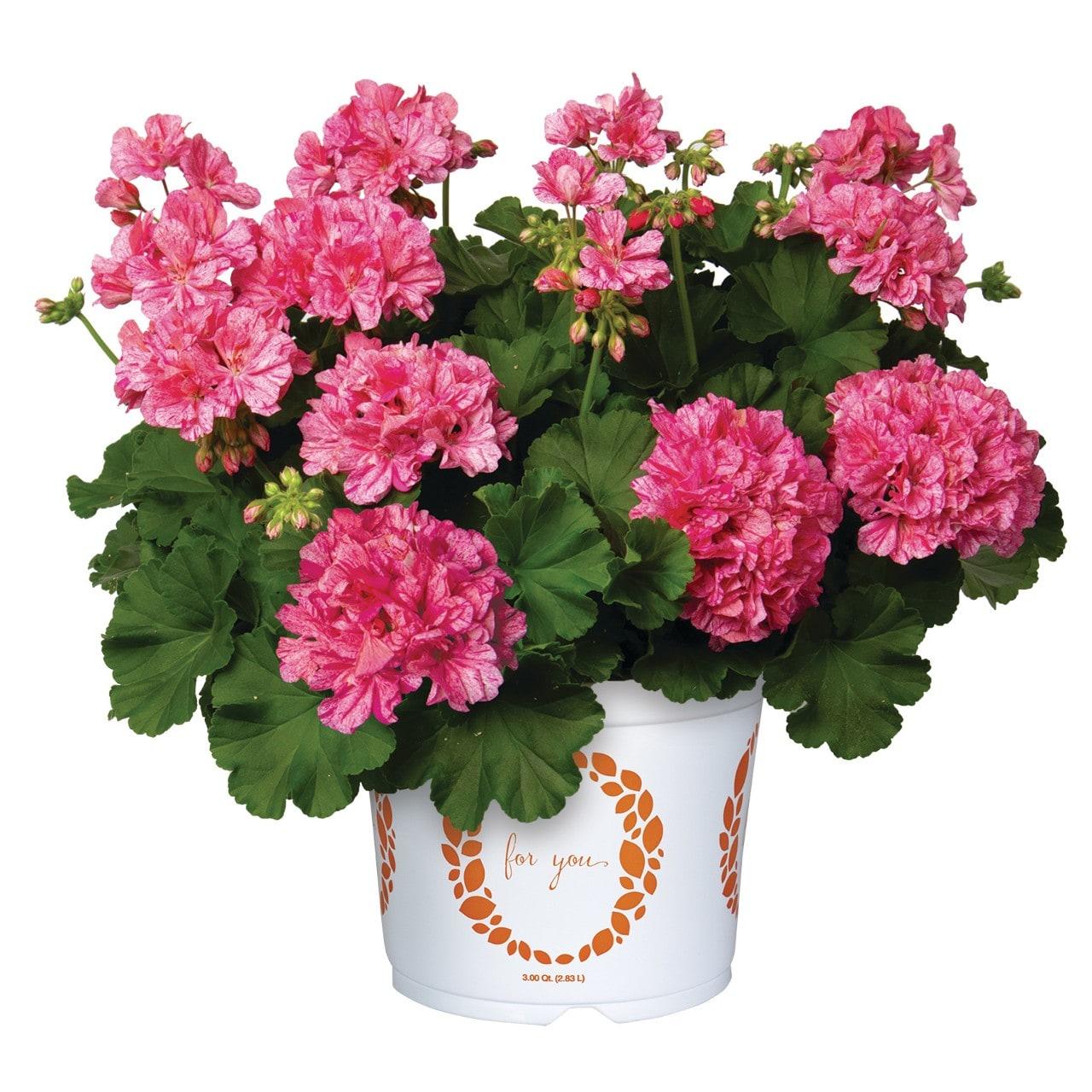
Geranium
Big EEZE Pink Batik
AAS National Winner 2024
Full SunFiller
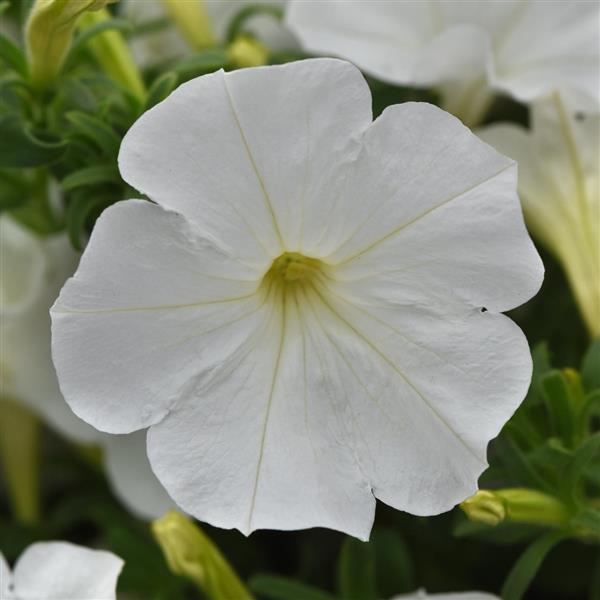
Petunia
SureShot White
AAS Regional Winner 2024, Great Lakes
Full Sun8 to 10 in. tall · Filler
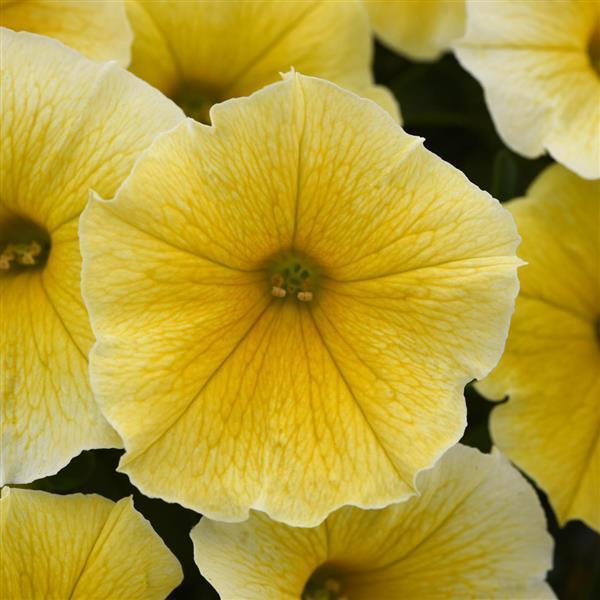
Petunia
Bee's Knees
AAS Gold Medal 2022
Full Sun8 to 10 in. tall · Filler
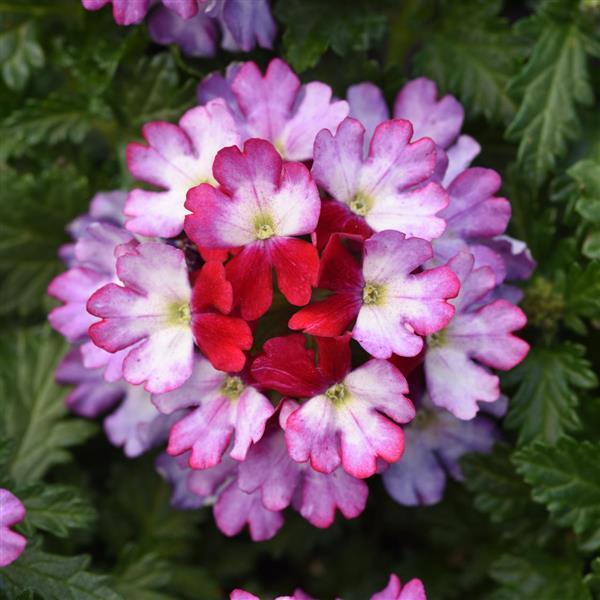
Verbena
Beats Purple White
AAS National Winner 2022
Full Sun6 to 8 in. tall · Spiller

Geranium
Calliope Medium Dark Red
AAS National Winner 2017
Full Sun14 to 18 in. tall · Filler
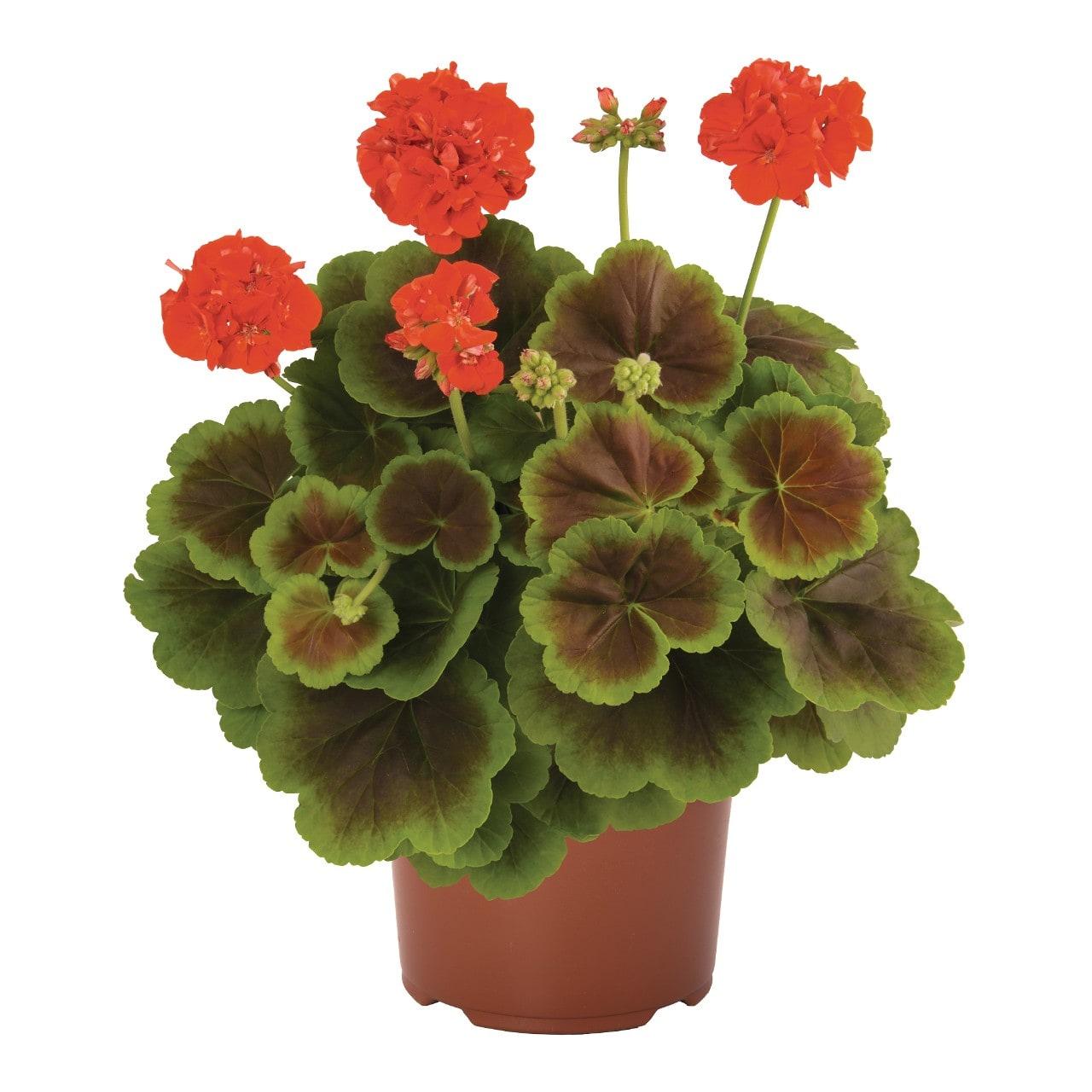
Geranium
Brocade Fire
AAS National Winner 2016
Full SunFiller
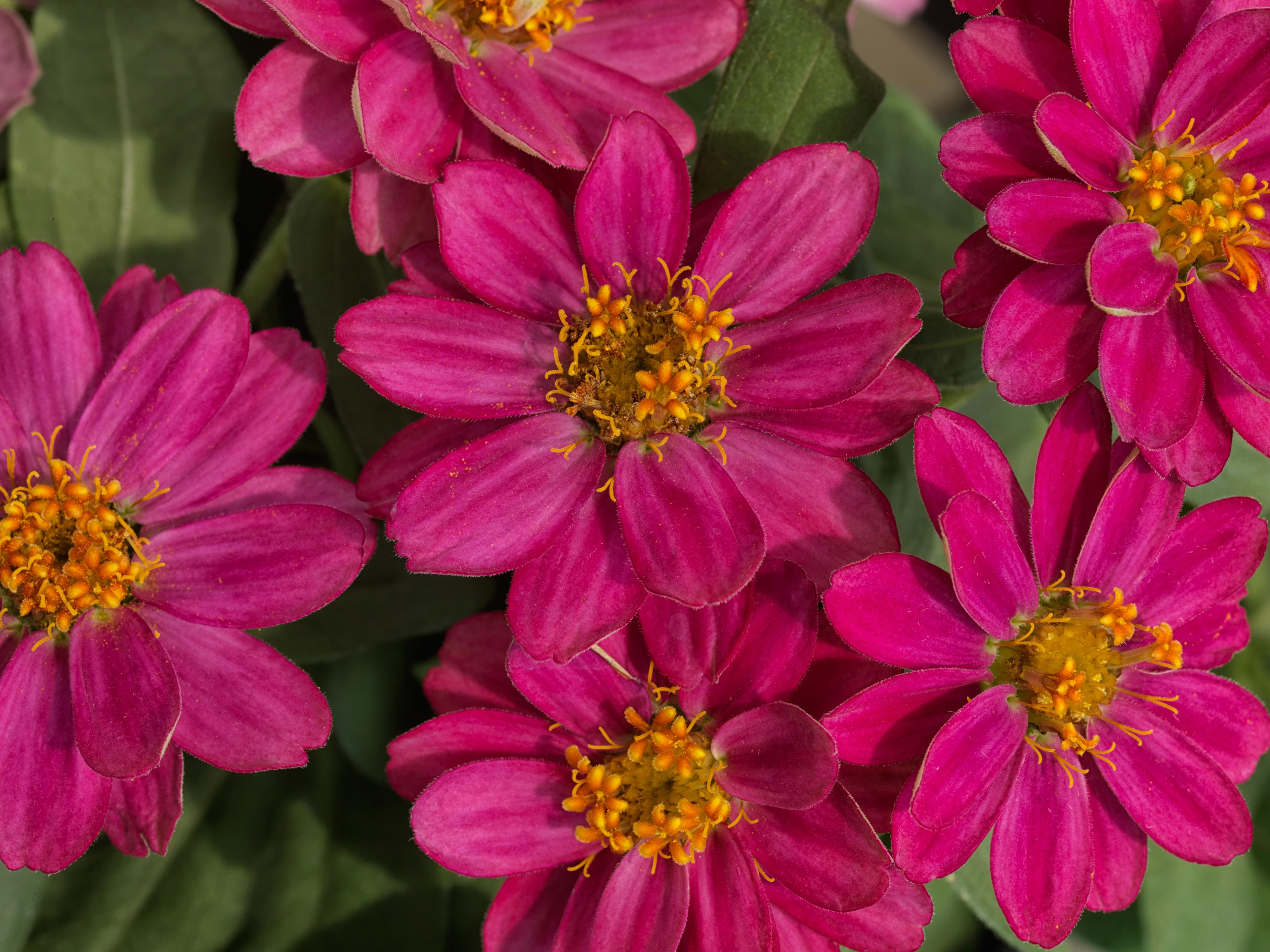
Zinnia
Profusion Double Hot Cherry
AAS National Winner 2013
Full Sun6 to 12 in. tall · Filler
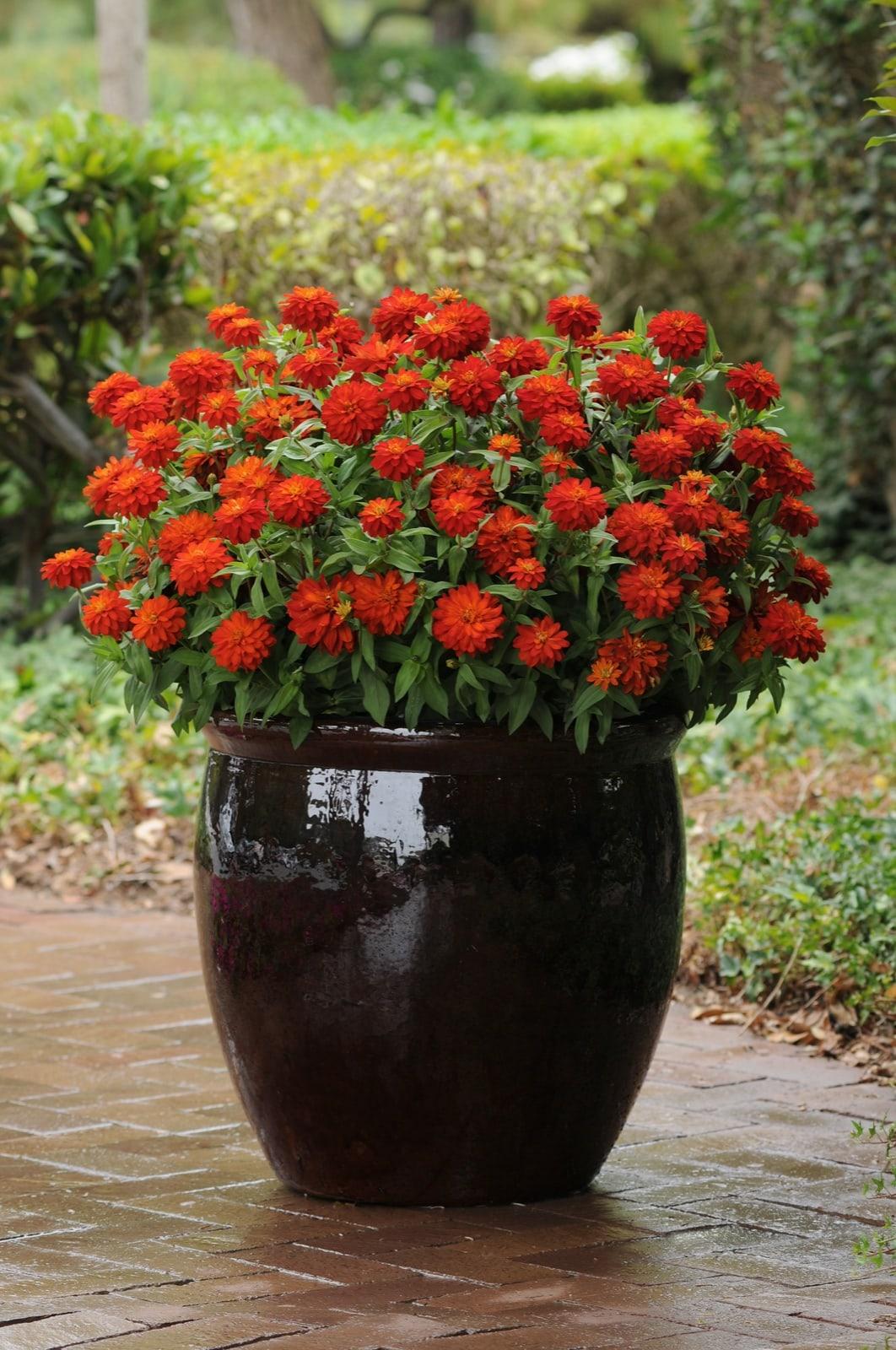
Zinnia
Zahara Double Fire
AAS National Winner 2010
Full SunFiller
Sources
Where These Facts Come From
All-America Selections: how winners are judged, the three types of awards, types of AAS gardens and the National Garden Bureau's AAS policies (September 2025). The State Fairgrounds garden: Purdue Extension–Marion County and All-America Selections' 2026 Landscape Design Challenge results.
Plant Library
Find Award-Winning Plants
The Award winners filter in the Plant Library shows every plant named by All-America Selections or a trial garden's own awards.