 Plant Care
Why Plants Get Stressed (And What They Do About It)

Owner, Schlegel Greenhouse · June 4, 2026
Plants don’t feel pain. But they absolutely experience stress.
And most summer gardening problems start there. Once you know the signs, the fixes become obvious.
Heat Stress
Some plants struggle when temperatures climb. Examples:
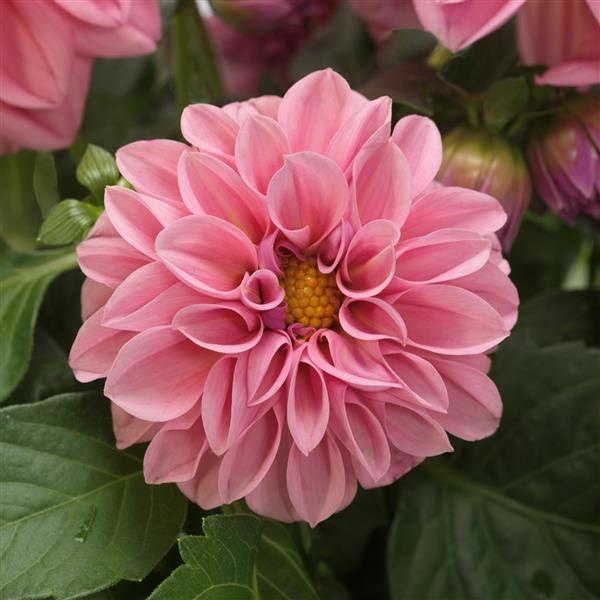
- ✓ Dahlias
- ✓ New Guinea Impatiens
- ✓ Fuchsia
Symptoms:
- ✓ Reduced flowering
- ✓ Mid-day wilting (even when soil is moist)
- ✓ Smaller blooms than the plant’s capable of
The fix is usually shade during the hottest part of the day, deeper watering, and patience — many of these plants bounce back when cooler weather returns.
Water Stress
Both directions are dangerous.
Too much water:
- ✓ Root damage from oxygen starvation
- ✓ Yellowing leaves
- ✓ Black, mushy stems near the soil line
Too little water:
- ✓ Wilting
- ✓ Bud drop before flowers open
- ✓ Crisp leaf edges
The fix is consistency. Containers and hanging baskets generally need more frequent watering than beds, and a finger-check 2–3 inches deep tells you more than any schedule.
Transplant Stress
Plants don’t love being moved. This is common after:
- ✓ Planting hanging baskets
- ✓ Setting out spring annuals
- ✓ Dividing or repotting full containers
For a few days after transplant, expect some droop. Keep the soil consistently moist, hold off on heavy fertilizing for a week, and avoid harsh afternoon sun if you can.
Nutrient Stress
Hungry plants become:
- ✓ Pale, especially on older leaves
- ✓ Weak and slow to recover
- ✓ Less productive bloomers
The fix is straightforward — a balanced fertilizer at the recommended rate.
The Real Takeaway
Most plant problems aren’t diseases. They’re plants reacting to stress. Before you reach for a fungicide or insecticide, walk through this checklist: heat, water, recent transplant, nutrition. Nine times out of ten, the fix is environmental, not chemical.
Hoosier Tip
When a plant looks rough, do nothing for 48 hours except water deeply once and move it out of harsh afternoon sun if possible. Most stress conditions reveal themselves — or resolve themselves — within two days. Reactive feeding or spraying on a stressed plant often makes things worse.
More on plant care, every Friday
Three growing guides like this one and a short note from the greenhouse, free, once a week. Written for Indiana gardens.
Reference: Purdue University Extension, Penn State Extension, Ball Seed industry reports — Indiana gardening resources