 Plant Care
Why Are Some Plants Fuzzy? (And When That's a Good — or Bad — Thing)

Head of Operations, Schlegel Greenhouse · April 17, 2026
Walk through a garden center and you'll notice it. Some plants are smooth. Some are glossy. And some? They're fuzzy. Soft, silvery, almost velvety to the touch. It's one of the most overlooked traits in plants — but it's not random. That fuzz is there for a reason.
What That “Fuzz” Actually Is
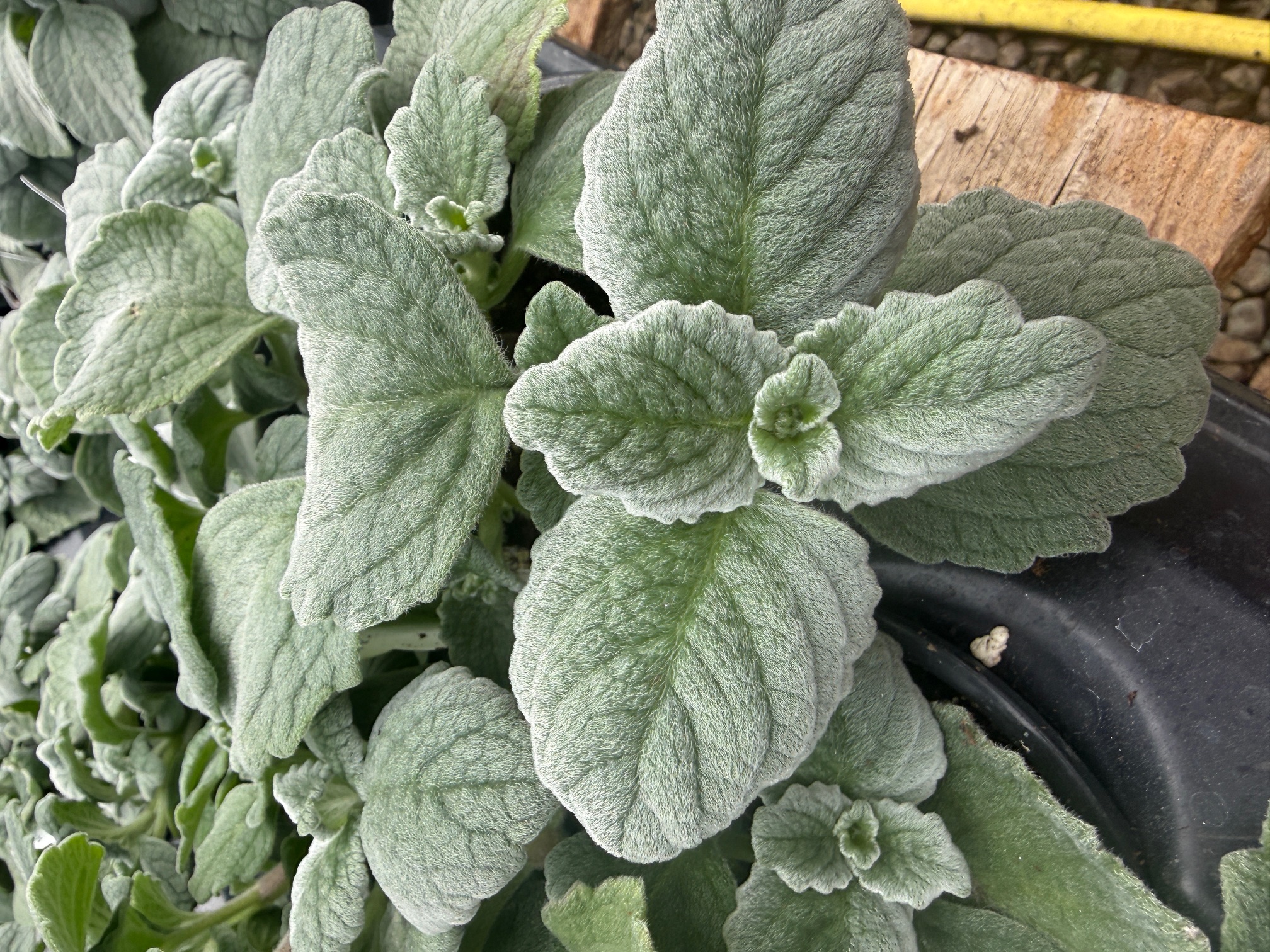
That soft coating is made up of tiny hair-like structures called trichomes. Plants use them as protection. They help reflect sunlight, reduce water loss, protect against pests, and buffer against environmental stress. While it looks decorative, it's actually functional.
Why Fuzzy Plants Exist
Most fuzzy plants evolved in tougher environments — full sun, heat, wind, drier conditions. That fuzz acts like a sunscreen, a wind barrier, and a moisture regulator. Which is why many fuzzy plants tend to handle heat well, tolerate drought better, and perform in exposed conditions.
Fuzzy Plants You'll Find at Local Garden Centers
You don't have to go looking for specialty plants. Some of the best texture plants are already sitting right in front of you.
Annuals & Combo Workhorses:
- ✓ Plectranthus ‘Nico’ — One of the best trailing texture plants out there. Soft, subtle, and extremely versatile.
- ✓ Helichrysum (Licorice Plant) — Silvery, fuzzy foliage that reflects heat and pairs with everything. Quietly one of the best “glue” plants in containers.
- ✓ Dusty Miller — Not soft like lamb's ear, but that felted, silver texture is doing the same job. Extremely forgiving and great for early season.
- ✓ Salvia Mystical Series — Not heavily fuzzy, but that soft, matte foliage and stem texture adds depth. Brings both color and subtle texture into combinations.
Texture-Forward Standouts:
- ✓ Acalypha (Chenille Plant) — Not fuzzy foliage, but huge texture impact. Adds movement and contrast that most combos are missing.
- ✓ Artemisia ‘Silver Bullet’ — Soft, silvery foliage with a fine texture. Built for heat and dry conditions.
Perennials Common in Indiana:
- ✓ Lamb's Ear (Stachys byzantina) — The classic fuzzy plant. Built for sun, drought, and tough conditions.
- ✓ Artemisia (perennial types) — Same benefits: heat tolerance and soft texture.
- ✓ Russian Sage — Not fuzzy to the touch, but gives that same soft, stress-tolerant look.
- ✓ Coreopsis (select varieties) — Light texture that helps soften plantings overall.
Why Texture Matters More Than People Think
Most people build containers around color and flower size. Very few think about texture. But texture is what makes combinations feel full, layered, and finished.
Fuzzy plants soften everything. They break up harsh lines. They make combinations feel natural instead of forced. A container with just flowers looks flat. Add a fuzzy filler and suddenly the whole thing has depth.
The Trade-Off: Where Fuzzy Plants Can Struggle
That same fuzz that protects the plant can also create challenges.
1. Moisture Can Sit on the Leaves
Water doesn't shed as easily. This can lead to rot, disease, and leaf spotting in humid conditions.
2. They Don't Love Overhead Watering
Fuzzy plants generally prefer good airflow and drier leaf surfaces. Water at the base, not from above.
3. Indiana Humidity Can Be a Factor
Many of these plants are adapted to drier climates. In humid summers, overwatering becomes a bigger issue and airflow matters more.
What To Keep in Mind When Buying
- ✓ Great for: Full sun, containers, heat tolerance, adding texture to combos
- ✓ Be careful with: Overwatering, poor airflow, constant leaf wetness
The Real Takeaway
Fuzzy plants aren't just a look. They're built for performance. A lot of the plants we grow and sell aren't just chosen for color — they're chosen because they can handle Indiana. And if you look closely, a lot of them have that same soft, protective texture built in.
Color gets attention. Texture makes a planting feel complete. And if a plant feels soft, there's a good chance it's tougher than it looks.
Hoosier Tip
Next time you're building a container, add one fuzzy or silvery-textured plant to the mix — a Helichrysum, a Dusty Miller, even a Plectranthus trailing off the side. It won't be the loudest plant in the pot, but it'll be the reason the whole thing looks finished.
More on plant care, every Friday
Three growing guides like this one and a short note from the greenhouse, free, once a week. Written for Indiana gardens.
Reference: Purdue University Extension · Schlegel Greenhouse production notes