 Plant Care
When Should You Cut Back a Hanging Basket?

Owner, Schlegel Greenhouse · June 26, 2026
Most people wait way too long to cut back a hanging basket — usually because the idea of taking the scissors to a plant that’s still blooming feels like a mistake. It isn’t. A timely cutback is often the single fastest way to a fuller, better-looking basket. The trick is recognizing when it’s time, and trusting the process through the awkward stage.
Signs It’s Time
- ✓ Leggy, stretched-out growth
- ✓ A sparse, bare center
- ✓ Fewer blooms than there used to be
- ✓ Woody stems near the base
- ✓ It just looks tired, even though you’re watering faithfully
That last one is the tell. When a basket looks worn out despite good care, more water and more fertilizer won’t fix it. It needs a reset.
How Hard Can You Cut?
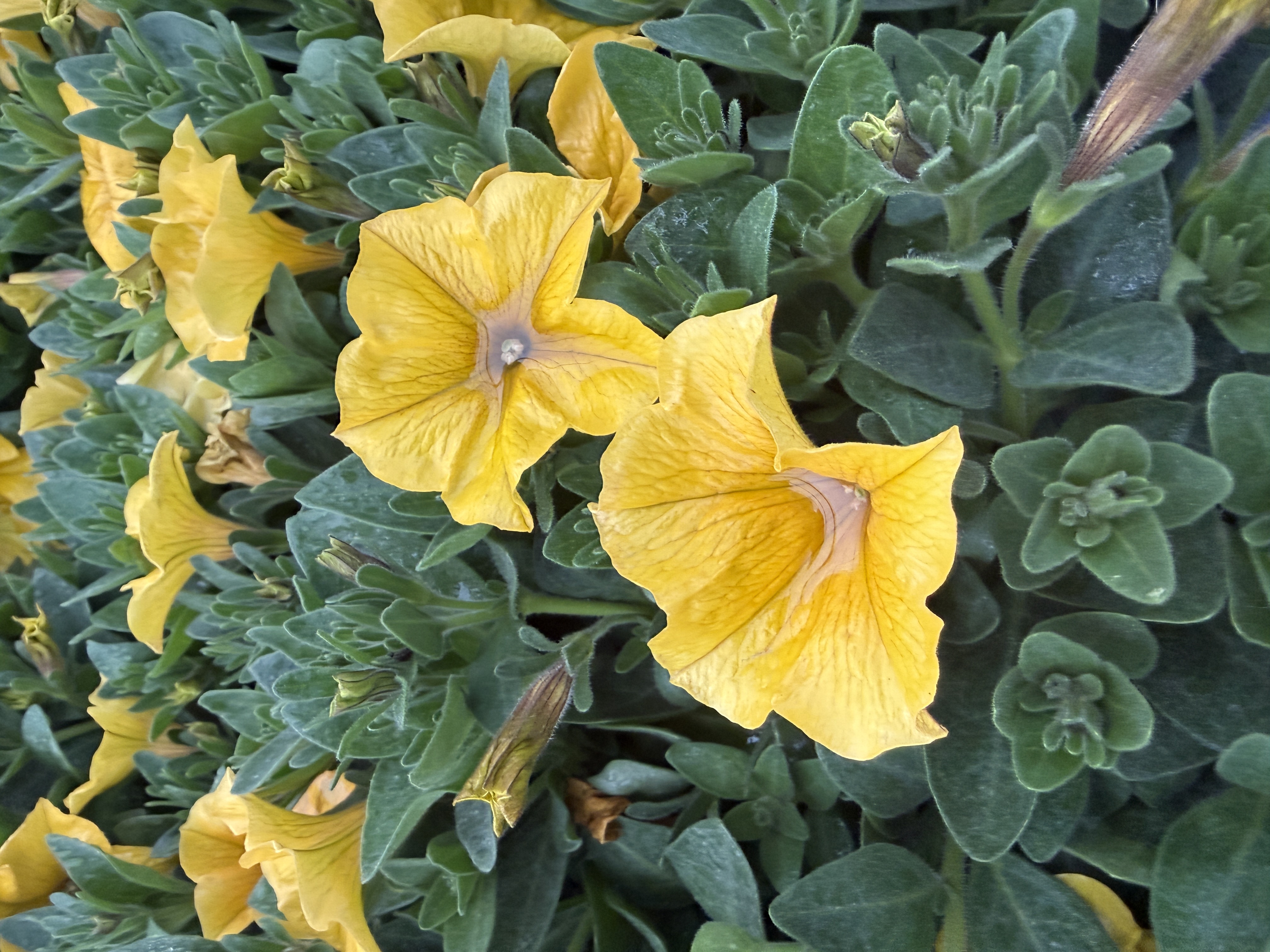
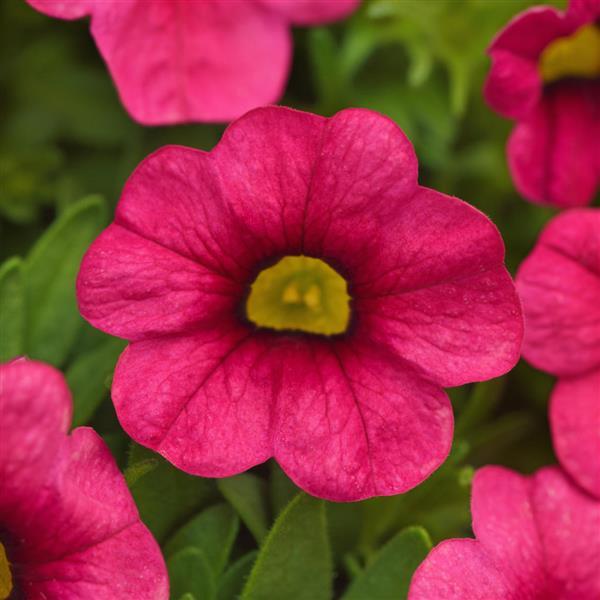
Harder than you think. On petunias and calibrachoa, taking off 30 to 50 percent is often perfectly safe and exactly what they need. That number surprises people every time — but these are vigorous plants, and they respond to a real haircut, not a timid trim.
What Happens After You Cut
- ✓ Week 1: It looks worse. This is the part everyone panics about.
- ✓ Week 2: New branching starts to push from lower on the stems.
- ✓ Weeks 3–4: A major rebound — fuller, bushier, and loaded with fresh blooms.
That ugly first week is the whole reason people are afraid to cut back. Push through it. The rebound is worth it.
Feed After the Cutback
Right after you cut, give the basket a good feeding. You’ve just asked it to grow a whole new flush of foliage and flowers, so a little fuel speeds the recovery and makes the comeback stronger.
The Main Takeaway
Sometimes cutting back is the fastest path to a better basket, not a setback. A tired basket in early July, cut hard and fed, can be the best-looking thing on your porch by August.
Hoosier Tip
Don’t cut the whole basket flat in one pass — stagger it. Take the longest, leggiest strands back hard and leave a few shorter ones, so you keep some color while the deep-cut stems rebuild. You get the rebound without an entirely bare week.
More on plant care, every Friday
Three growing guides like this one and a short note from the greenhouse, free, once a week. Written for Indiana gardens.
Reference: Purdue University Extension · Schlegel Greenhouse production notes