 Plant Care
What Actually Works for Deer Control? An Honest Tier List

Owner, Schlegel Greenhouse · June 8, 2026
Every gardener eventually asks me the same question: “What can I buy that will actually keep deer away?” It’s a fair question, and the honest answer is that some things work very well, some work for a little while, and some are mostly sold because people keep buying them. So let me rank them the way I’d explain it to a neighbor over the fence.
Tier 1 — Most Effective
Fencing. Effectiveness: very high. Cost: high. Convenience: low.
As much as nobody wants to hear it, fencing is still the gold standard. A properly installed fence dramatically reduces deer damage. The catch is that most homeowners don’t want a 7–8 foot barrier, the look of it, or the install cost. But from a pure effectiveness standpoint, nothing else comes close.
Motion-activated sprinklers. Effectiveness: very high. Cost: low. Convenience: good.
These are one of the most underrated deterrents out there. Deer get used to smells, sounds, and lights — but they don’t like surprises. A sudden blast of water sends them running. They’re especially good for vegetable gardens, hosta beds, and small landscapes.
Tier 2 — Very Good
Commercial repellent sprays. Effectiveness: good. Cost: low.
Products based on egg solids, garlic, and putrescent egg compounds have real research behind them. The downside is that they have to be reapplied — especially after rain, heavy new growth, or irrigation. They work best when you put them down before deer ever discover the plants.
Rotating multiple repellents. Effectiveness: good.
Deer learn. Switching products every so often keeps them guessing — the repellent that worked in May may not impress them in July.
Tier 3 — Sometimes Helpful
Motion lights. Can help at first, but deer adapt quickly. Think of these as a short-term tool, not permanent protection.
Noise makers. Work for a while — then the deer figure out nothing bad ever actually happens.
Tier 4 — Maybe Helpful
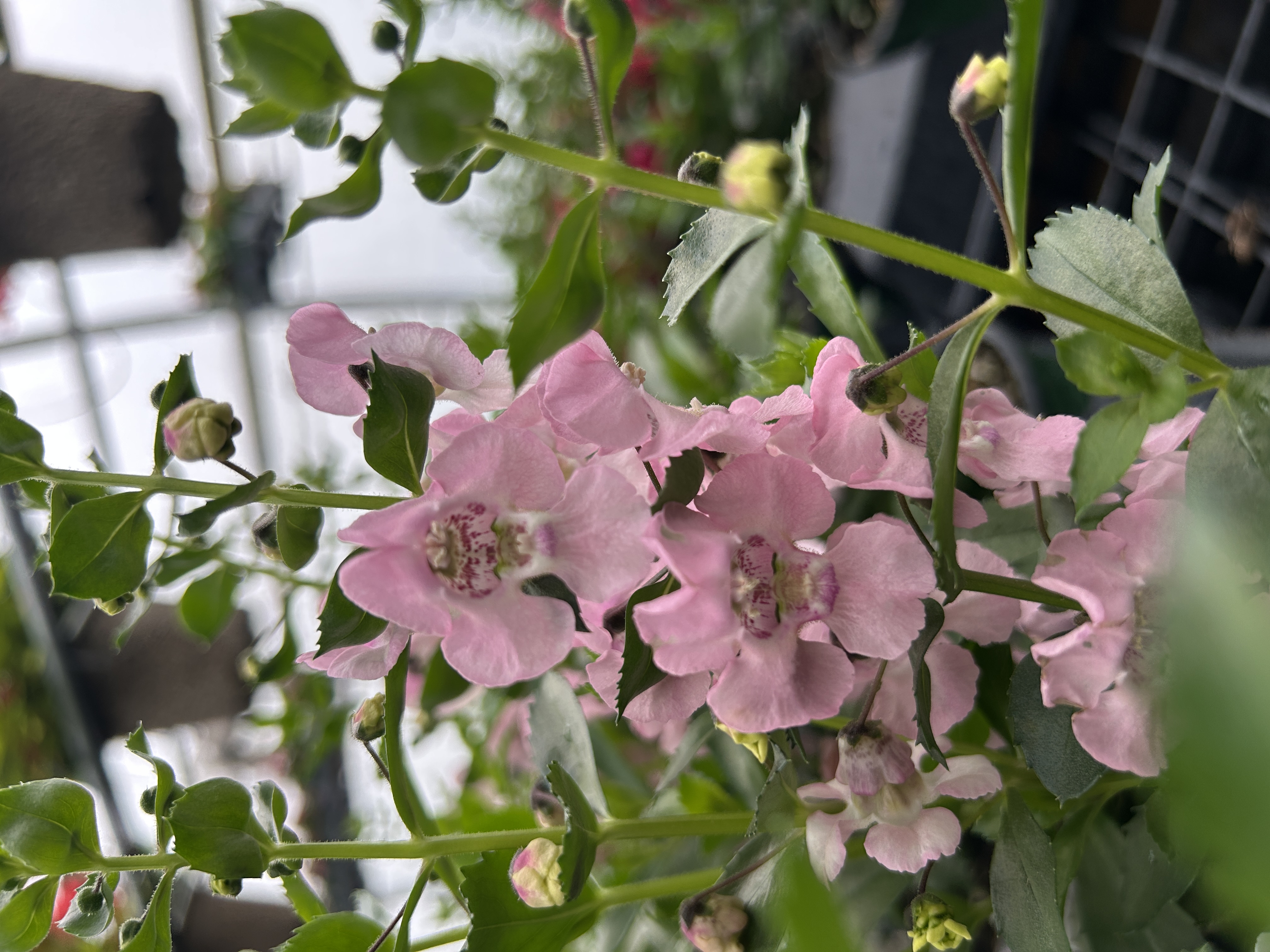
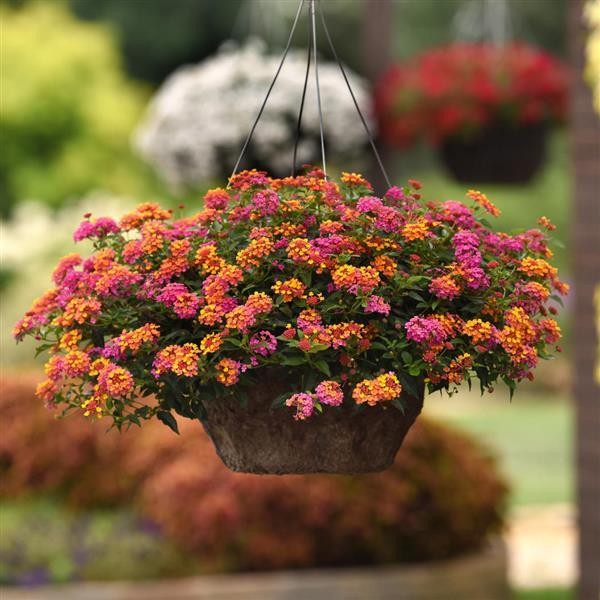
Deer-resistant plants. This is where people get confused. Deer-resistant plants don’t stop deer — they just make your landscape less attractive than the buffet next door. Think Angelonia, Salvia, Lantana, Lavender, and Caladium. The strategy works best combined with the deterrents above.
Tier 5 — Mostly Myths
- ✓ Irish Spring soap. Gardeners swear by it; the research generally doesn’t. May help briefly, rarely works consistently.
- ✓ Human hair. One of the oldest garden myths. Works occasionally, fails often.
- ✓ Predator urine. Short-term effects at best, and usually inconsistent.
- ✓ A radio playing in the garden. The deer quickly realize nobody is actually coming.
If I Had a Hosta Bed and $100
I’d spend it on a motion sprinkler, a bottle of deer repellent spray, and a few deer-resistant companion plants — in that order — long before I’d spend a dime on lights, soap, or gimmicks.
The Real Takeaway
The most effective deer strategy isn’t one product. It’s layers. Use deer-resistant plants, repellents, and a motion deterrent together. And keep your expectations honest: the goal isn’t to make your garden invisible — it’s to convince the deer to go eat somewhere else.
Hoosier Tip
Put your repellent down the day you plant, not the day after you find damage. Once a doe has decided your hostas are dinner, she brings the family back nightly — and breaking that habit is far harder than preventing it.
More on plant care, every Friday
Three growing guides like this one and a short note from the greenhouse, free, once a week. Written for Indiana gardens.
Reference: Purdue University Extension · Rutgers NJAES landscape deer-resistance ratings · Schlegel Greenhouse production notes