 Plant Care
The Most Deer-Resistant Plants I Grow

Owner, Schlegel Greenhouse · June 8, 2026
Nothing is completely deer proof — we’ve covered that. But some plants are much less likely to get damaged, and these are the ones I lean on when someone tells me they’re fighting deer all season. Here are the most deer-resistant annuals and tropicals I grow, and why each one earns the spot.
Alocasia
Calcium oxalate crystals in the tissue, thick leaves, and a tough texture make this one of the most deer-resistant tropicals you can put in a landscape.
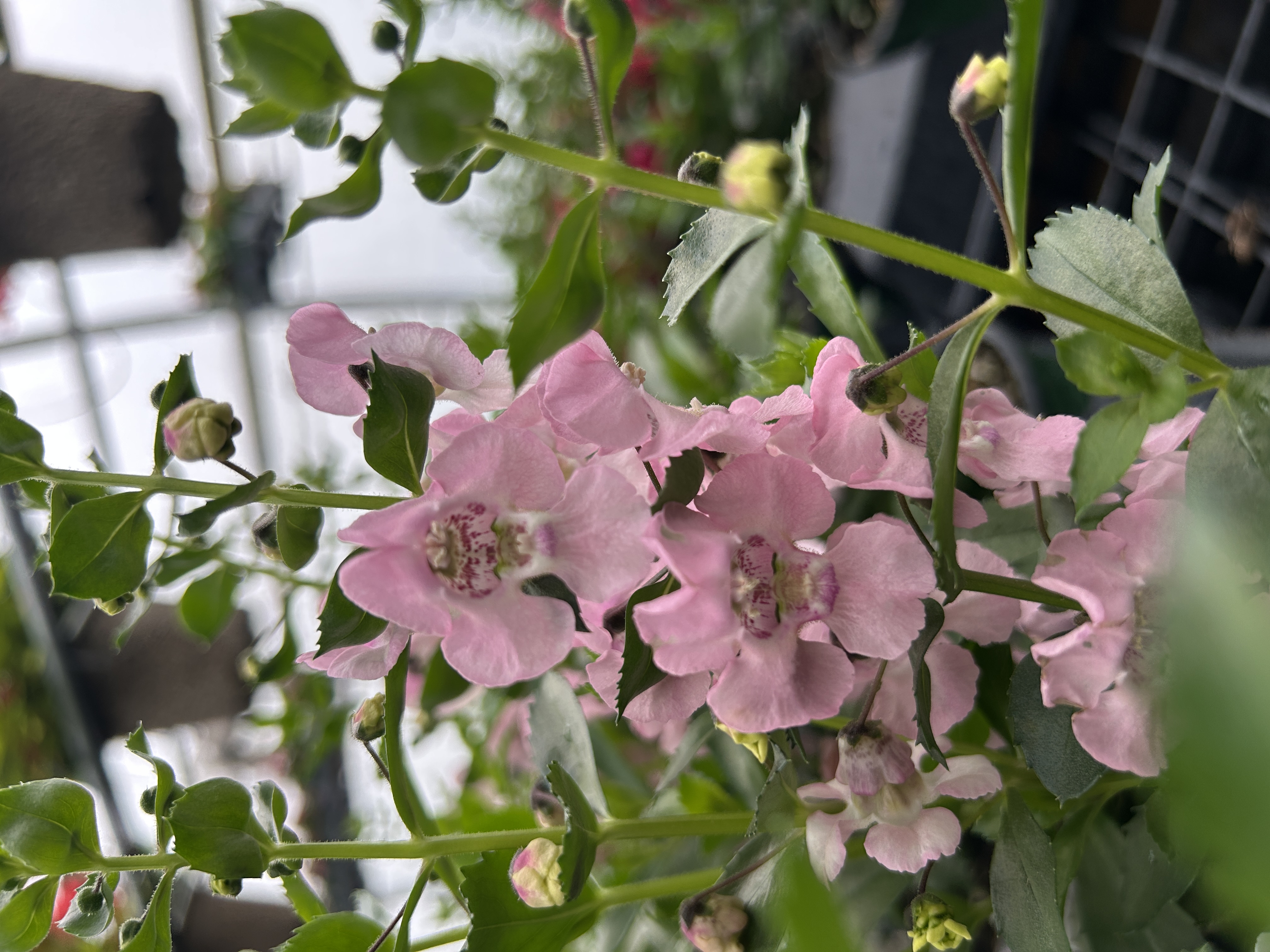
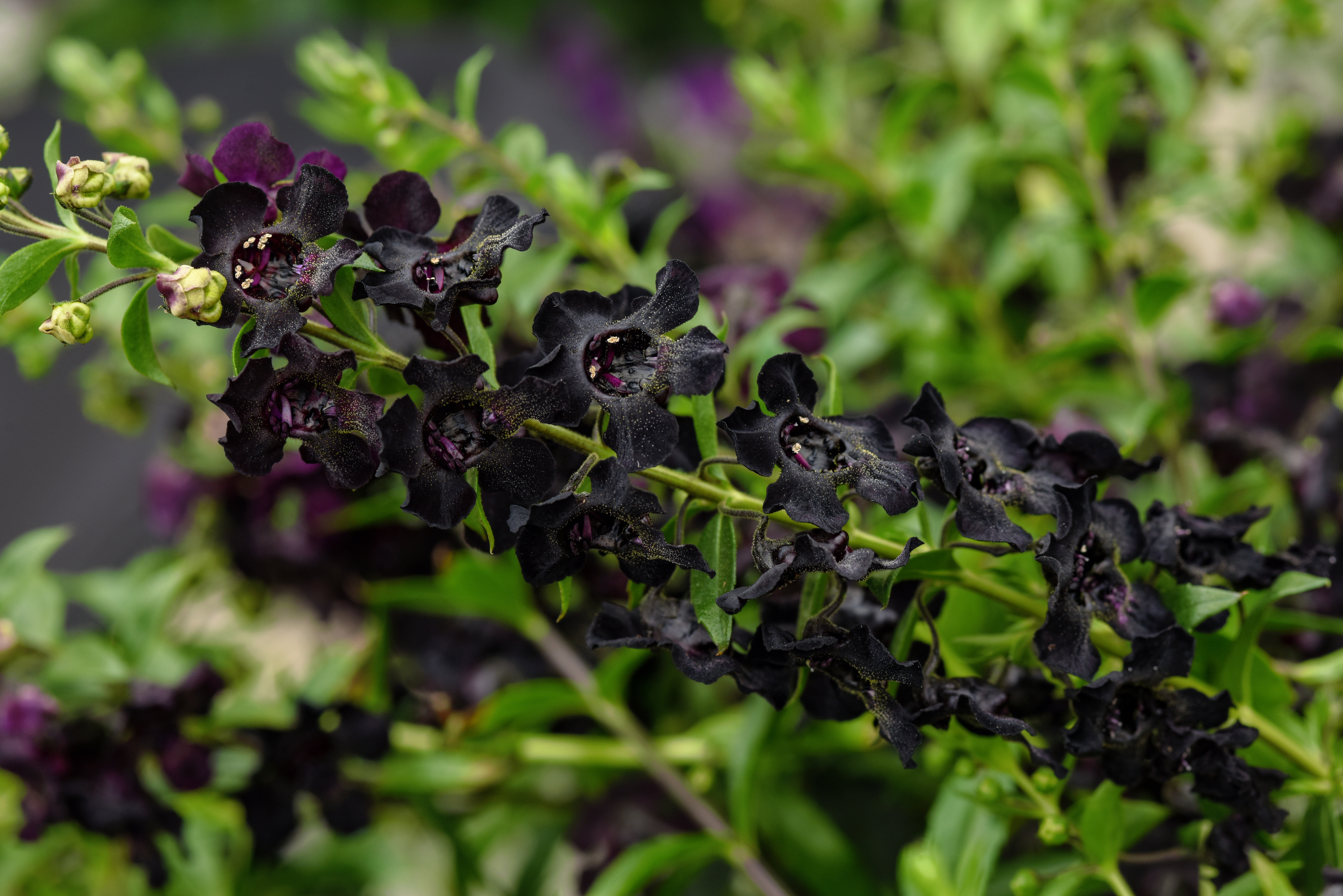
Angelonia
Aromatic foliage, tough stems, and heat-loving growth. It blooms all summer and deer consistently pass it by.
Salvia
Strong fragrance and essential oils — the same things that make pollinators love it make deer keep walking.
Lantana
Aromatic, rough-textured foliage and tremendous heat tolerance. A workhorse in a deer-pressured bed.
Caladium
Like Alocasia, it carries calcium oxalate crystals and a taste deer find unappealing — with foliage color that holds all season in shade.
Coleus
Moderately resistant, especially as the plants mature and the foliage toughens up.
And the Honest Reminder
Most repellents and resistant plants work best when you apply repellents before damage occurs, reapply them regularly, and rotate occasionally. The tools that actually move the needle are fencing, motion sprinklers, repellents, and smart plant selection. The ones that rarely do: Irish Spring soap, human hair, one-time sprays, and hoping the deer simply go elsewhere on their own.
Hoosier Tip
Build the backbone of a deer-pressured bed out of Angelonia, Lantana, and Salvia, then use Caladium or Coleus for color in the shadier spots. You’ll get a full season of bloom and foliage that deer tend to walk right past.
More on plant care, every Friday
Three growing guides like this one and a short note from the greenhouse, free, once a week. Written for Indiana gardens.
Reference: Purdue University Extension · Rutgers NJAES landscape deer-resistance ratings · Schlegel Greenhouse production notes