 Plant Care
Slow-Release vs. Liquid Fertilizer: Which Is Better for Annuals?

Sales Director & Design Expert · May 20, 2026
Both work. They just solve different problems.
Slow-Release Fertilizer
Best for:
- ✓ Landscape beds
- ✓ Large planters
- ✓ Hanging baskets
- ✓ Anyone who wants low maintenance
It feeds gradually over time and gives annuals a steady base.
Liquid Fertilizer
Best for:
- ✓ Heavy blooming baskets
- ✓ Plants in small pots
- ✓ Fast correction when plants look hungry
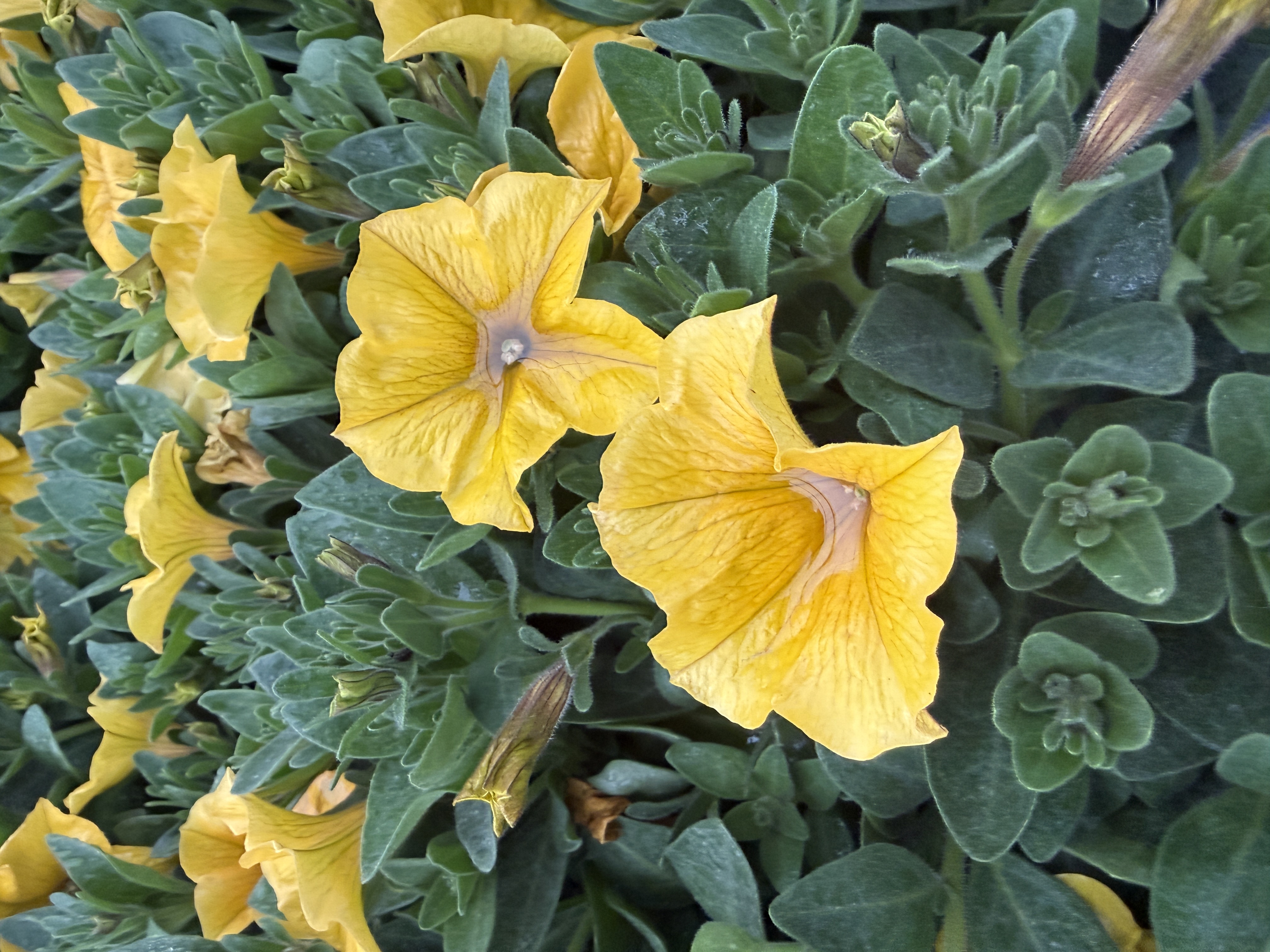
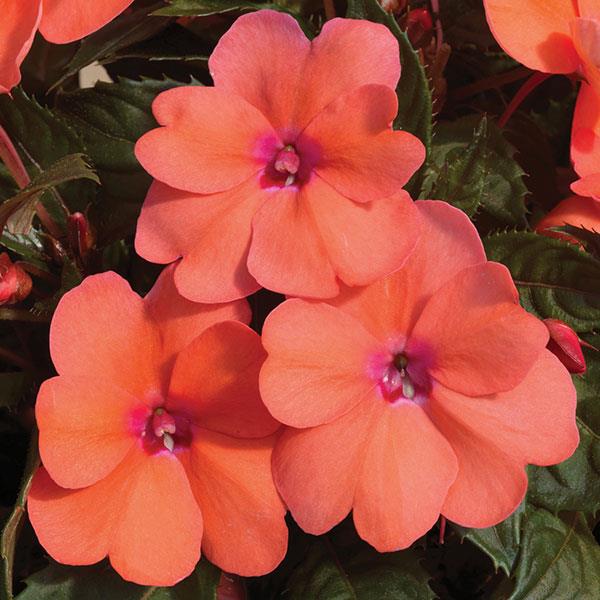
- ✓ High-water-use plants like petunias, calibrachoa, SunPatiens, and hanging baskets
Penn State Extension notes that overfertilization in containers can create high soluble salt levels — so more fertilizer is not automatically better.
Common Slow-Release Mistakes
- ✓ Using too much
- ✓ Mixing it unevenly
- ✓ Applying it on stressed, dry plants
- ✓ Using it in tiny pots that heat up fast
- ✓ Assuming it replaces all liquid feed in heavy-blooming baskets
Plants to Be Careful With
Be more conservative with:
- ✓ Calibrachoa
- ✓ Bacopa
- ✓ Dahlias
- ✓ Sensitive foliage plants
- ✓ Smaller containers
The Simple Rule
Use slow-release as the base. Use liquid feed as the steering wheel.
Hoosier Tip
For hanging baskets, mix a measured dose of slow-release into the top inch of soil at planting, then plan on a half-strength liquid feed every 7–10 days through peak bloom. The combination outperforms either method alone.
More on plant care, every Friday
Three growing guides like this one and a short note from the greenhouse, free, once a week. Written for Indiana gardens.
Reference: Purdue University Extension, Penn State Extension, Ohio State University Extension — Indiana gardening resources