 Soil & Planting
Mulching Basics: How and Why to Mulch Your Indiana Garden

Head of Operations · April 4, 2026
Mulch is one of the simplest ways to make your landscape look better and perform better. It helps hold moisture, regulate soil temperature, and keeps weeds from taking over—all things that matter with Indiana's mix of spring rain and summer heat.
Why Mulch Matters
Mulch does a lot more than just look nice:
- ✓ Holds moisture so you don't have to water as often
- ✓ Keeps soil cooler during hot summer days
- ✓ Reduces weeds by blocking sunlight
- ✓ Improves soil over time as it breaks down
If you've ever had plants dry out too fast or struggled with weeds, mulch makes a noticeable difference.
Take Weed Control One Step Further
Mulch helps prevent weeds, but for even better control, you can apply a pre-emergent before or after mulching.
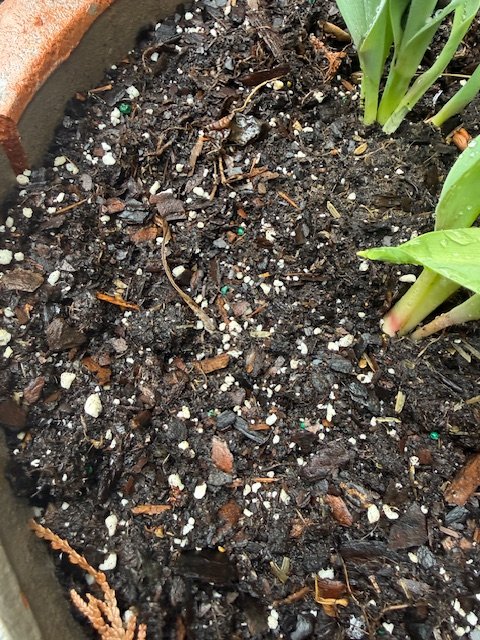
Products like Preen Garden Weed Preventer stop weed seeds from germinating in the first place. Think of it as a barrier that keeps weeds from ever getting started.
Best practice: Apply pre-emergent, water it in, then mulch on top. This combination can dramatically reduce the amount of weeding you have to do throughout the season.
Storage Tips
Pre-emergents (like Preen): If kept sealed and dry in a garage or shed, they typically stay effective for 2–3 years. Moisture is the biggest enemy—if it clumps or gets damp, it won't spread or work properly.
Leftover mulch: Bagged mulch from last year is usually fine to use if it's been kept dry. Just check for mold, sour smell, or excess moisture. If it still looks and smells like mulch, it's good to go.
When to Mulch
- ✓ Spring (April–May): Best time to apply fresh mulch
- ✓ After planting: Helps lock in moisture for new plants
- ✓ Fall (optional): Can help protect soil going into winter
Avoid mulching too early when soil is still cold—let things warm up a bit first.
Colored Mulch vs Natural
Both options work—it mostly comes down to preference:
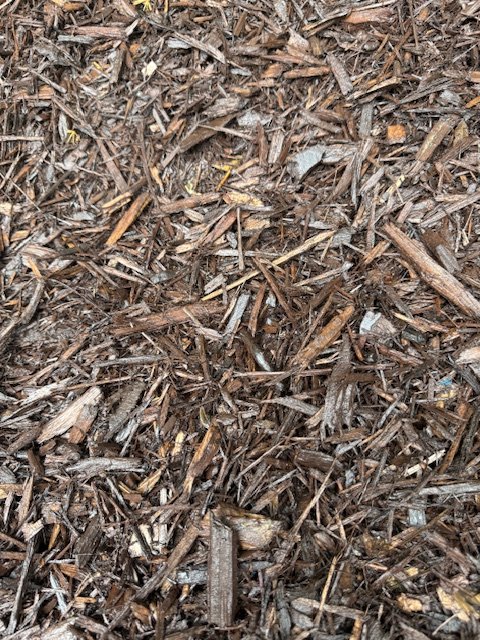
- ✓ Natural (brown hardwood): Breaks down more naturally, blends into the landscape, often better long-term for soil
- ✓ Colored mulch (black, red): Strong visual contrast, holds color longer, more of a finished "clean" look
From a plant health standpoint, both are fine—it's more about the look you want.
Bulk vs Bagged Mulch
- ✓ Bulk mulch: More cost-effective for large areas, better option for full landscape refreshes
- ✓ Bagged mulch: Easier to handle and store, great for smaller jobs or touch-ups
If you're doing multiple beds, bulk is usually the way to go.
How Long Mulch Lasts
Most mulch will last 1 full growing season for best appearance and 1–2 years before fully breaking down. Over time, mulch fades in color, settles and thins out, and breaks down into the soil. That breakdown is actually a good thing—it improves soil quality—but it does mean you'll want to refresh it regularly.
How Much to Use
Apply 2–3 inches deep. Avoid piling mulch against plant stems or tree trunks. Too little won't help much, and too much can hold excess moisture.
Indiana Growing Reality
With Indiana's heavy spring rains and hot, dry summer stretches, mulch helps balance both extremes—keeping roots from getting too wet early and too dry later.
Hoosier Tip
If you mulch and use a pre-emergent like Preen together, you'll spend way less time weeding—and if you've got leftover product from last year, just make sure it's dry and in good shape before using it.
More on soil & planting, every Friday
Three growing guides like this one and a short note from the greenhouse, free, once a week. Written for Indiana gardens.
Reference: Purdue University Extension — Indiana gardening resources