 Plant Care
How to Deadhead Geraniums

Head of Operations · April 4, 2026
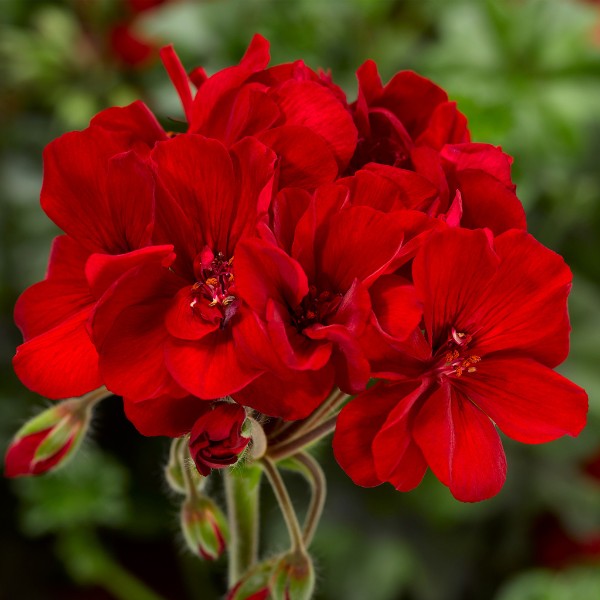
Geraniums are one of the most reliable plants you can grow in Indiana—but if you want them to stay full and blooming all season, deadheading is one of the simplest things you can do.
Deadheading just means removing old, faded flowers so the plant can focus on producing new ones instead of going to seed.
Why Deadheading Matters
Geranium blooms don’t last forever. Once they fade, the plant naturally starts putting energy into making seeds. When you remove those old blooms:
- ✓ The plant produces more flowers
- ✓ It stays fuller and more compact
- ✓ It looks clean and fresh
It’s not required—but it makes a noticeable difference. Removing the blooms will help keep the geranium blooming until fall.
How to Deadhead Geraniums
This is where a lot of people get it wrong—you don’t just pull off the petals. Instead:
- ✓ Follow the flower stem down to the base
- ✓ Pinch or cut the entire flower stalk off
- ✓ Do this with your fingers or clean snips
Remove spent flowerheads at the base of the stem. Check your plants about once a week and clean off anything that looks faded or brown.
Indiana Growing Reality
In Indiana, this matters even more because heavy rains can beat up blooms, heat and humidity can shorten flower life, and plants can look tired by mid-summer. Deadheading helps your geraniums:
- ✓ Recover faster after rain
- ✓ Stay blooming through hot stretches
- ✓ Keep a full, healthy shape
What to Expect
After deadheading, you’ll usually see new buds forming within 1–2 weeks, more consistent blooms through summer, and a plant that looks noticeably better overall.
Hoosier Tip
Deadheading takes just a few minutes, but it’s one of the easiest ways to keep your geraniums looking like they did the day you bought them. If you stay on top of it, they’ll reward you with color all the way into fall.
More on plant care, every Friday
Three growing guides like this one and a short note from the greenhouse, free, once a week. Written for Indiana gardens.
Reference: Purdue University Extension — Indiana gardening resources