 Plant Care
Can Compost and Organic Fertilizer Feed Your Annuals?

Sales Director & Design Expert · May 20, 2026
People are becoming more interested in compost, organic fertilizers, healthier soil, and more natural gardening. Honestly — that’s a good thing.
Compost and organic fertilizers can absolutely improve a garden. But there’s a common misunderstanding that they automatically replace all traditional fertilizing. And for heavy-blooming annuals, that’s not always realistic.
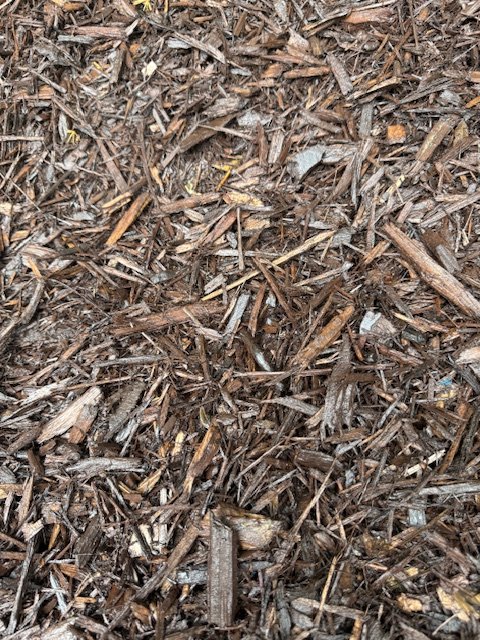
What Compost Actually Does
People often think compost is mainly fertilizer. But compost is really more about improving the soil itself.
According to Purdue Extension and Penn State Extension, compost helps:
- ✓ Improve soil structure
- ✓ Improve water retention
- ✓ Improve drainage
- ✓ Support beneficial microbes
- ✓ Increase organic matter
That last part is important. Healthy soil is not just dirt — it’s a living environment.
What “Healthy Soil” Actually Means
Good soil contains:
- ✓ Bacteria
- ✓ Fungi
- ✓ Organic matter
- ✓ Air pockets
- ✓ Moisture-holding particles
Compost helps create a healthier root environment. Healthier roots usually mean stronger plants, better drought tolerance, and more consistent growth.
Why Organic Fertilizers Appeal to People
Organic fertilizers:
- ✓ Release more slowly
- ✓ Tend to be gentler
- ✓ Feed soil life as well as plants
- ✓ Improve long-term soil quality
Good examples include composted manure, worm castings, fish emulsion, plant-tone style fertilizers, and compost-based blends. For landscape beds, they’re often an excellent foundation.
But Here’s the Important Part
Annuals are not low-energy plants. Especially:
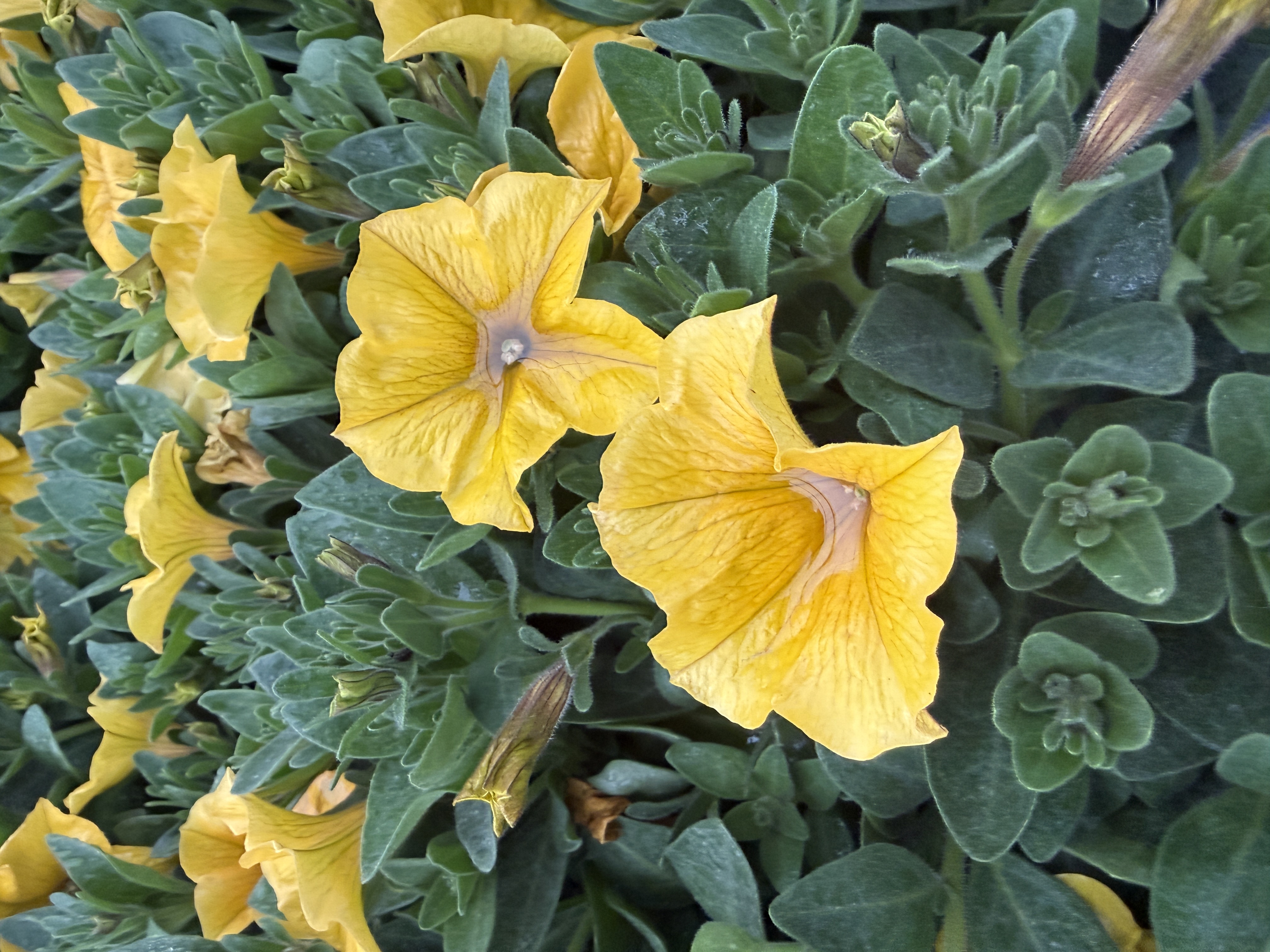
- ✓ Petunias
- ✓ Calibrachoa
- ✓ Hanging baskets
- ✓ SunPatiens
- ✓ Lantana
- ✓ Vigorous mixed containers
These plants are bred to grow aggressively and bloom heavily. That requires nutrients — a lot of them.
Why Compost Alone May Not Be Enough
Compost releases nutrients slowly, inconsistently, and depending on moisture and temperature. So while compost improves the soil beautifully, it may not provide enough available nutrition for maximum flowering and growth.
This is especially true in hanging baskets, patio containers, and smaller root zones — where nutrients get used quickly.
Why Growers Usually Combine Approaches
A lot of experienced growers use compost or organic matter as a base and supplemental fertilizer for performance. These solve different problems:
- ✓ Compost helps the soil
- ✓ Fertilizer helps the plant perform at a higher level
This Is Especially True in Containers
Containers are artificial environments. Unlike garden soil:
- ✓ Nutrients wash out quickly
- ✓ Roots are confined
- ✓ Soil biology is more limited
So annuals in containers usually need more consistent feeding.
One More Important Thing
Even organic fertilizers can stress plants if overapplied. Especially during extreme heat, drought stress, or dry root zones. Plants should be hydrated and actively growing before heavy feeding.
A Simple Way to Think About It
Compost helps build healthier soil. Fertilizer helps drive stronger growth and flowering. The best gardens usually use both together.
The Real Takeaway
Organic fertilizers and compost are excellent tools. They improve soil quality, support healthier roots, and create more resilient gardens. But for heavy-blooming annuals, they may work best as the foundation, not the entire program — especially when the goal is huge baskets, maximum blooms, and aggressive summer color.
Hoosier Tip
Mix two parts good potting mix with one part finished compost when planting containers. The compost feeds the soil biology for the long haul, while a measured slow-release plus weekly liquid feed handles the bloom power that annuals demand.
More on plant care, every Friday
Three growing guides like this one and a short note from the greenhouse, free, once a week. Written for Indiana gardens.
Reference: Purdue University Extension, Penn State Extension, Ohio State University Extension — Indiana gardening resources